.svg)
Week 34 Weekly Wrap: UK Retail Insights with Location Analytics
Location analytics reveal Welsh retail centres boosted footfall by 12.4% this week, signalling strong UK retail customer engagement.

September 12, 2025
3 min read
Table of contents
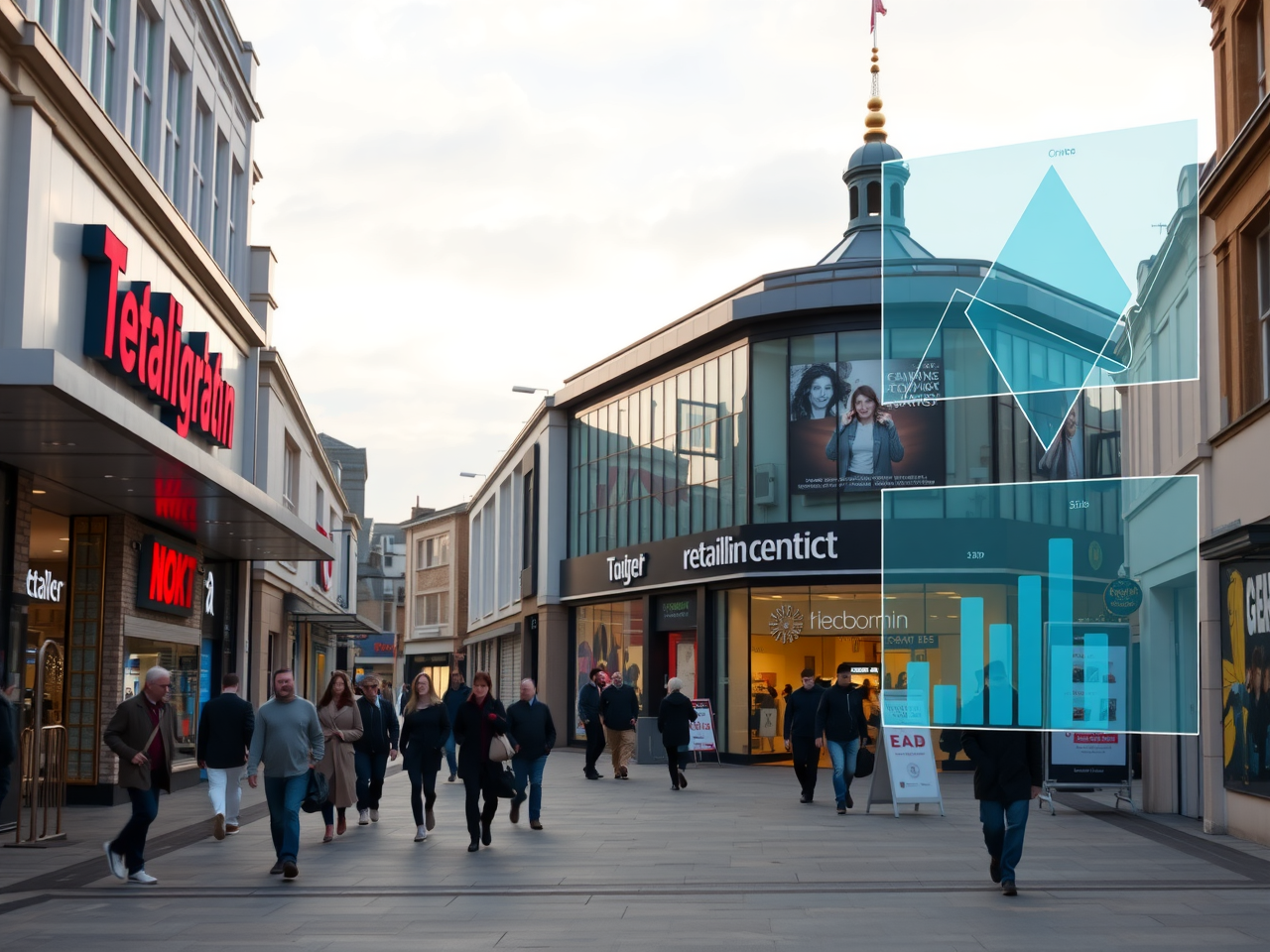
This week’s wrap brings together comprehensive data from recent updates that have been monitored using advanced location analytics and location intelligence techniques. Retailers and analysts alike are drawing insights from granular footfall trends and dwell times across the UK. The analysis paints a picture of an evolving market that is both challenging and promising for the UK retail sector.
Major Retail Centres
Major retail centres are showing resilient performance with varied regional trends. The latest Week 34 update reported an average of 83,900 daily visitors. In England, centres recorded 82,500 visitors followed by Scottish centres with 102,700 visitors despite a slight decline in week-on-week figures, and Welsh centres boosted footfall by 12.4%, showcasing remarkable growth and higher dwell times.
Shopping Centres
UK shopping centres continue to deliver solid performance. The Shopping Centres update for Week 34 recorded an average of 37,800 daily visits and a prolonged dwell time of 105 minutes. English centres led the way with approximately 40,000 visitors while venues in Wales trailed with 13,500 daily visits, demonstrating important differences in customer engagement across regions.
Local Retail Centres
Local retail centres offer a contrasting picture with steady yet regionally distinct trends. In the Week 34 Performance Update, figures showed England averaging 15,800 visits daily, Scotland at 15,000, and Wales with 12,800 visitors, albeit with an overall slight decline. Notably, Welsh centres delivered the highest dwell times at 146 minutes, while other regions showed more modest figures, highlighting evolving patterns of customer behaviour at the local level.
Retail Parks
Retail parks have experienced modest fluctuation in visitor numbers. Detailed findings from the Week 34 update on Retail Parks pointed to an average of around 20,700 daily visitors. Regional breakdown revealed England with 21,000, Scotland with 19,100, and Wales close behind with 18,000 visitors; dwell times varied, underscoring the importance of adapting strategies to maintain customer engagement in different settings.
High Streets & Town Centres
High streets and town centres continue to attract a healthy mix of visitors and maintain engaging dwell times. The Week 34 update reported an average daily footfall of 32,900 with English centres recording up to 33,500 visitors. Even though Welsh centres recorded lower figures at 18,100, the overall hover time of around 99 minutes speaks to steady customer engagement in these traditional retail hubs.
Broader Economic and Retail Trends
A close look at these updates suggests that broader economic factors, seasonal weather and emerging retail initiatives such as new store openings play a significant role in shaping outcomes. Joe Capocci, Huq Industries Spokesperson, noted, "Our location analytics tools are proving invaluable in adapting UK retail strategies to meet evolving customer needs, and the subtle shifts in dwell times and footfall serve as a clear signal for future market trends." These trends also underscore the importance of leveraging location intelligence to identify opportunities and mitigate risks in a competitive market.
Strategic Implications and Next Steps
The data collected points to the need for a dynamic approach that tailors retail strategies to both regional characteristics and overall market shifts. Retailers are increasingly using location analytics to pinpoint emerging trends and adjust their tactics in response to changes in consumer engagement and economic factors. Emphasising customer engagement through improved dwell times appears to be key to navigating the current retail landscape.
The insights gathered over these weeks reinforce that maintaining an agile strategy is essential for retailers hoping to capitalise on every opportunity. The detailed location analytics and location intelligence insights are setting the stage for a more adaptive and responsive retail strategy. With granular data becoming ever more critical, UK retail sectors across all formats are well positioned to respond to future shifts in footfall trends and consumer behaviour.
Media: For all media and press enquiries, please contact media@huq.io
About Huq Industries
Huq Industries is the leading provider of location intelligence across the UK, Europe, and the Middle East, specialising in delivering high-quality data insights on footfall, consumer behaviour, and retail performance. By leveraging advanced analytics, Huq Industries enables retailers and analysts to understand and respond to market trends effectively, ensuring they are well-equipped to navigate the changing landscape of high street and town centre commerce.
Get the latest intelligence Benchmark update each Thursday!
Frequently Asked Questions
Clear answers to the most common questions about movement intelligence, retail expansion, and location analytics.
Related Blogs and Insights


.svg)
Empowering strategic teams with the world's most accurate and accessible location intelligence.
Contact

.svg)