.svg)
Week 37 Weekly Wrap: Location Analytics and Retail Centre Trends
Discover a 5.5% weekly rise in shopping centre footfall as location analytics and location intelligence reveal key retail trends.

October 2, 2025
4 min read
Table of contents
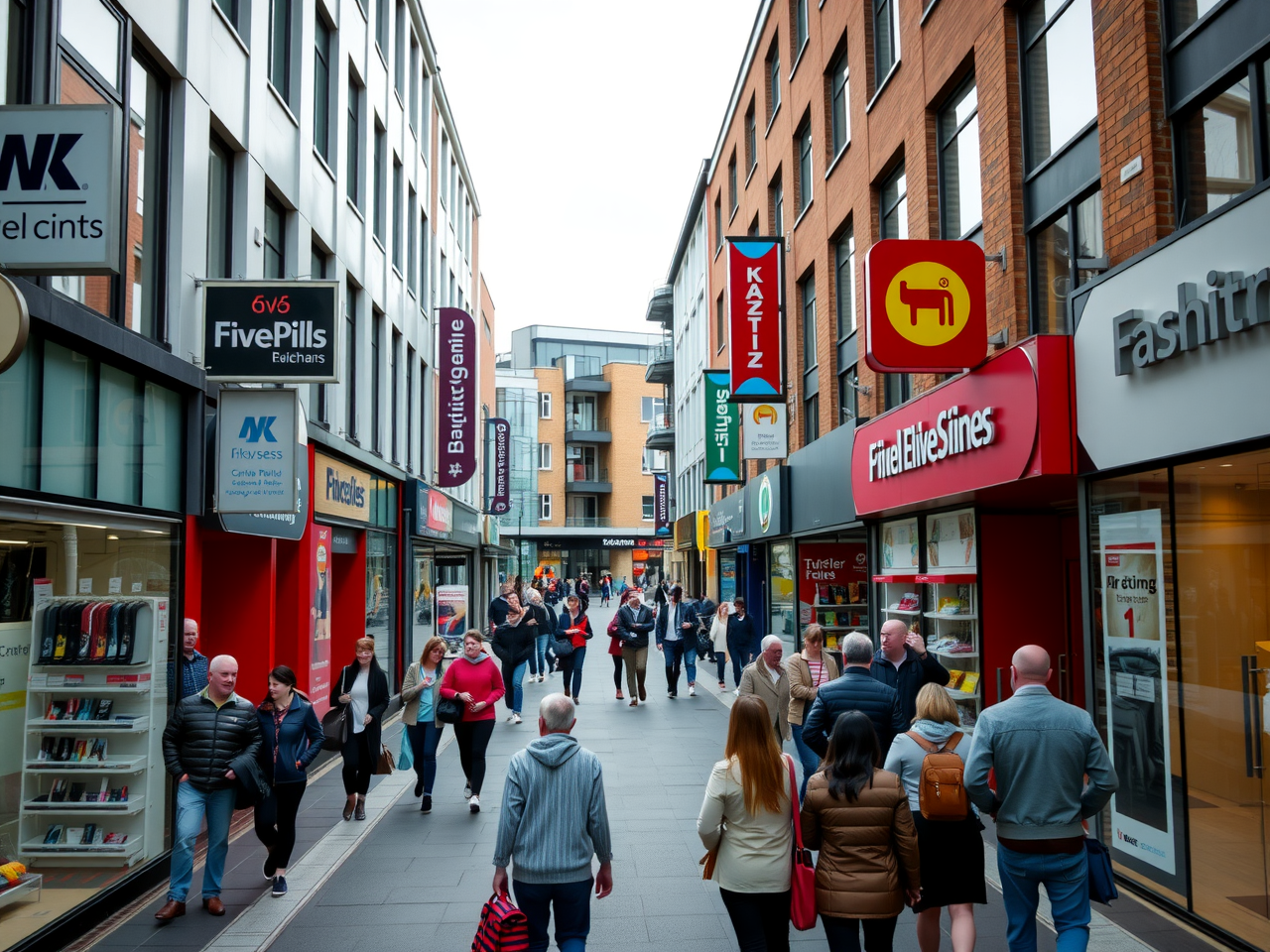
The latest Week 37 Weekly Wrap offers a comprehensive analysis of the performance across diverse UK retail centres. In this update, robust location analytics help uncover dynamic customer behaviour and evolving retail trends. The figures presented shed light on the intricate balance between footfall, dwell times, and regional performance, helping stakeholders make informed decisions.
Major Retail Centres
Major retail hubs continue to demonstrate strong resilience despite experiencing slight short‐term dips. Recent data from the Week 36 Weekly Wrap indicates 81,200 daily visitors, a minor drop from Week 35, while dwell times have improved notably. Further insights from the Week 37 2025 Major Retail Centres Update reveal nearly 87,000 visitors daily, with Scotland outperforming other regions, showcasing the importance of detailed footfall data in understanding retail trends.
Shopping Centres
The UK shopping centres are slowly recovering, as reflected by a steady rise in visitor numbers and engagement. According to the Week 37 2025 Shopping Centres Footfall Update, centres achieved an average of 35,500 daily visitors, marking a 5.5% weekly uplift along with a 2.1% year-on-year increase. This data is central to modern location intelligence, providing valuable indications that customer engagement is paying dividends in improved dwell times and overall retail performance.
Retail Parks
Next, retail parks present a more nuanced picture with relatively stable footfall figures and marked regional variations. The Week 37 2025 Retail Parks Update reports an average of 19,800 daily visitors, showing a slight weekly increase despite a 5.1% annual decline. Regional differences are significant with Scotland exhibiting a 5.7% weekly increase, while England and Wales experience moderate fluctuations, highlighting the importance of regular footfall data evaluations across regions.
High Streets and Town Centres
High streets and town centres are slowly regaining momentum with a healthy mix of increases in both footfall and dwell time. The Week 37 2025 High Streets & Town Centres Update notes an average of 33,800 visitors daily and a 4.6% weekly growth, though slight regional disparities persist. Detailed observations in this format underscore how location intelligence combined with traditional retail trends can guide future improvements in visitor engagement.
Local Retail Centres
Local retail centres continue to show mixed performance across regions. The Week 36 2025 Local Retail Centres Update reported an average of 16,300 daily visitors and dwell times around 101 minutes, with England and Scotland faring better than Wales. This format exemplifies the challenges and opportunities in smaller retail environments, and refined location analytics plays a crucial role in optimising these spaces to respond to customer needs better.
Industry Insight and Expert Comment
Joe Capocci, Huq Industries Spokesperson, noted, "The varied performance across retail formats demonstrates the critical role that location analytics plays in understanding customer behaviour. Week-by-week monitoring with sophisticated location intelligence lets retailers adapt their strategies quickly." His perspective reinforces the value of integrating detailed data across major, shopping, park, high street, and local retail formats in fostering regional tailored approaches. This sentiment is echoed by industry experts who emphasise the benefits of granular footfall data and enhanced visitor engagement metrics.
Looking Ahead
Retail trends indicate that while major squares experience high footfall, different formats are at various stages of recovery. Consistent improvements in dwell times across several regions offer a hopeful outlook, with an emphasis on optimising strategies using refined location analytics and location intelligence. As the market adapts to new consumer patterns, UK retail centres continue to balance digital innovations with on-ground experiences in a competitive environment.
The analysis provides clear guidance for retailers aiming to refine their practices. As detailed performance metrics become more accessible, adapting to regional differences is increasingly necessary in challenging market conditions. Readers should note that even minor percentage shifts, such as the 5.5% weekly rise at shopping centres, can have substantial implications for future planning.
Additional observations suggest that UK retail centres remain dynamic and responsive to shifting consumer expectations. Retail operators are encouraged to monitor emerging trends closely and utilise comprehensive location analytics to better understand footfall data. This strategy is essential for maintaining competitive advantage in an evolving retail landscape.
Media: For all media and press enquiries, please contact media@huq.io
About Huq Industries
Huq Industries is the leading provider of location intelligence across the UK, Europe, and the Middle East, specialising in delivering high-quality data insights on footfall, consumer behaviour, and retail performance. By leveraging advanced analytics, Huq Industries enables retailers and analysts to understand and respond to market trends effectively, ensuring they are well-equipped to navigate the changing landscape of high street and town centre commerce.
Get the latest intelligence Benchmark update each Thursday!
Frequently Asked Questions
Clear answers to the most common questions about movement intelligence, retail expansion, and location analytics.
Related Blogs and Insights


.svg)
Empowering strategic teams with the world's most accurate and accessible location intelligence.
Contact

.svg)