.svg)
Week 35 Weekly Wrap: Retail Centre Trends and Location Analytics Insights
UK retail centres see a 2.4% annual rise in dwell times, highlighted by enhanced location analytics and evolving customer engagement.

September 19, 2025
4 min read
Table of contents
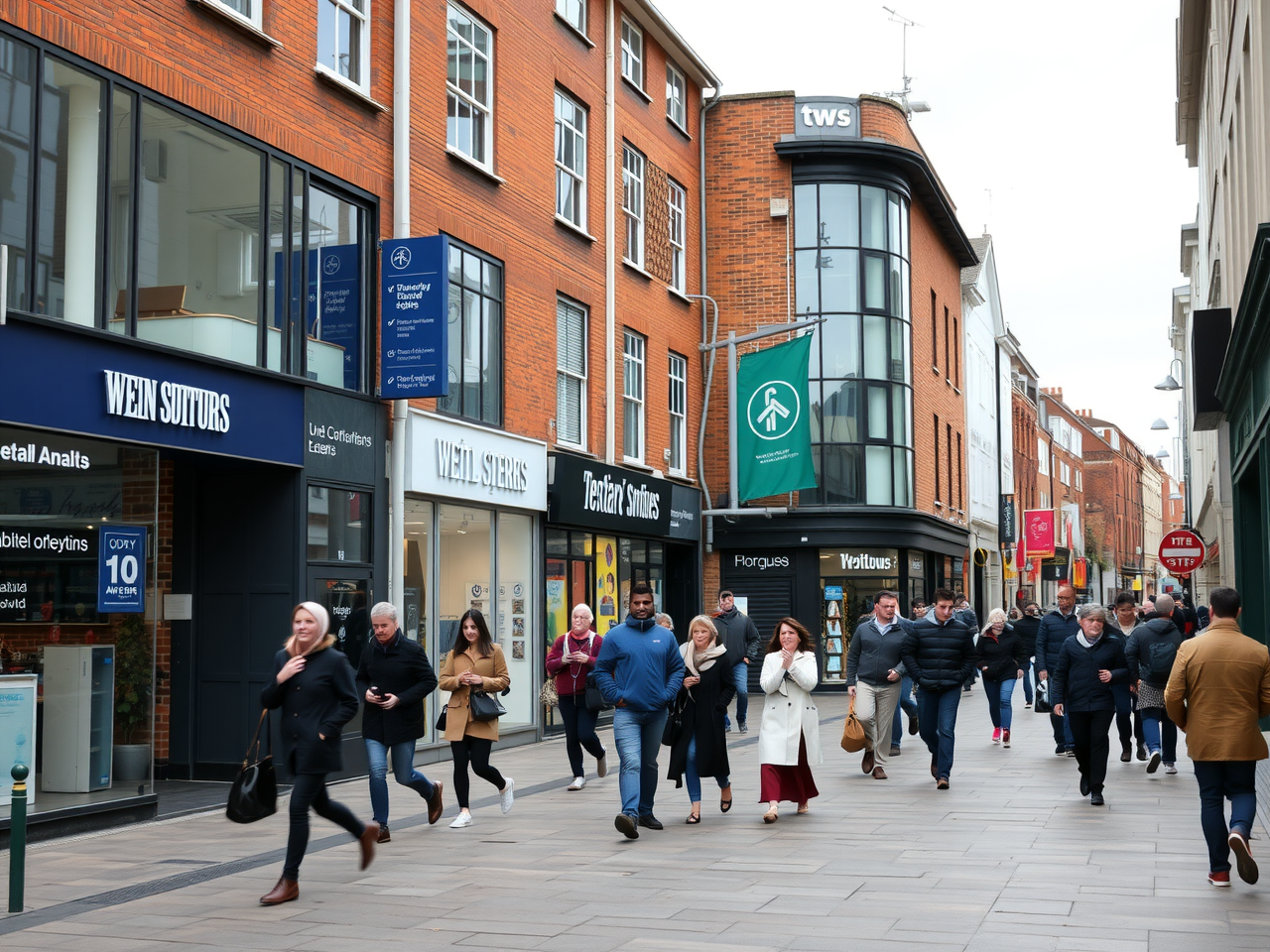
Retail trends continue to evolve across the UK, and the most recent data on retail centres shows an intricate mix of growth and challenges. In this Weekly Wrap, we delve into key findings from different formats. With location analytics driving insights, the detailed breakdown across formats, regions, and timeframes offers an essential guide to modern consumer behaviours.
Major Retail Centres
Major retail centres have shown a dynamic performance. In Week 34, these hubs attracted an average of 83,900 daily visitors, with Welsh centres registering a striking 12.4% weekly increase and Scotland achieving high daily numbers despite a slight dip. Another update from Week 34 2025 Major Retail Centres reinforces these trends, while dwell times varied significantly between Scotland, England, and Wales.
Shopping Centres
The latest figures reveal robust performance in UK shopping centres. In the UK Shopping Centres – Week 34 2025, an average of 37,800 daily visits was recorded, with English centres leading at around 40,000 visits each day. Dwell times also differed, as Welsh centres recorded just 52 minutes in contrast to the 105-minute average, underscoring the need for tailored, location intelligence-driven strategies.
Retail Parks
Retail parks experienced a slightly different trajectory over the past week. Data from Retail Parks – Week 35 2025 indicates a minor decline of 0.4%, with an overall daily footfall of 20,500, though dwell times increased modestly overall. England benefited from an increase in visitor engagement while Scottish and Welsh parks saw declines in numbers. These trends signal that local recovery strategies, informed by precise location analytics, are essential for sustaining growth in this format.
High Streets and Town Centres
Traditional retail hubs are making a steady comeback. In the Week 35 2025 High Streets & Town Centres Update, these areas recorded an average of 33,000 daily visitors, reflecting a 0.6% increase week-on-week and a 2.4% annual rise. English high streets marginally outperformed, while Welsh centres experienced notable weekly gains and Scotland's numbers held steady. Enhanced dwell times averaging 103 minutes suggest that customers are spending more time shopping and engaging in these traditional settings.
Local Retail Centres
Local retail centres present a mixed picture with short-term rebounds amid longer-term challenges. The Week 35 2025 Local Retail Centres Update recorded an average of 15,900 daily visits, a 2.3% increase over the previous week, though year-on-year numbers remain 5.1% lower. Dwell times improved, reaching an average of 98 minutes, with Welsh centres particularly standing out by posting engagement times of 126 minutes compared to around 99 minutes in England. A further recap in UK Local Retail Centres highlighted these regional disparities once again.
Broader Trends and Context
When viewed collectively, these snapshots illustrate that while footfall may see modest changes, deeper customer engagement is on the rise. The interplay between increased dwell times and static or declining visitor numbers in some areas suggests that shoppers are making more considered choices. Factors such as economic conditions, seasonal weather, and local events continue to shape the retail landscape, and location analytics is proving indispensable for week-by-week strategy adjustments.
Expert Insights
Joe Capocci, Huq Industries Spokesperson, noted, "The current data highlights how location analytics and location intelligence can drive meaningful insights into consumer behaviour. Despite modest week-on-week footfall changes, the rise in dwell times underlines a robust depth in customer engagement across diverse retail formats." His remarks reinforce the growing reliance on advanced analytics to tailor and optimise retail strategies across the UK.
Strategic Recommendations
Retail managers must adopt a flexible approach based on data-driven insights. With regional differences clearly evident, adapting strategies using both location analytics and location intelligence will be crucial. Retailers can leverage improved dwell times by enhancing in-store experiences, promotions, and comforts that incentivise longer visits, thereby turning challenges into opportunities.
Looking Ahead
This robust data set offers essential clues for retail recovery and growth in changing market conditions. As trends continue to shift, adopting adaptive, location intelligence-driven strategies will enable retailers to counter seasonal slowdowns and capitalise on emerging opportunities. Continuous monitoring will be vital to staying ahead amidst this dynamic backdrop.
Conclusion
The latest weekly data brings mixed yet promising signals across retail centre formats. Enhanced customer engagement, as indicated by increased dwell times, points to a potential shift in consumer behaviour that retailers must harness effectively. Through integrations of location analytics into operational strategies, UK retailers can prepare to meet the challenges and reap the benefits of an evolving market landscape.
Media: For all media and press enquiries, please contact media@huq.io
About Huq Industries
Huq Industries is the leading provider of location intelligence across the UK, Europe, and the Middle East, specialising in delivering high-quality data insights on footfall, consumer behaviour, and retail performance. By leveraging advanced analytics, Huq Industries enables retailers and analysts to understand and respond to market trends effectively, ensuring they are well-equipped to navigate the changing landscape of high street and town centre commerce.
Get the latest intelligence Benchmark update each Thursday!
Frequently Asked Questions
Clear answers to the most common questions about movement intelligence, retail expansion, and location analytics.
Related Blogs and Insights


.svg)
Empowering strategic teams with the world's most accurate and accessible location intelligence.
Contact

.svg)