.svg)
Week 32 Weekly Wrap: In-Depth Footfall Data Trends Across UK Retail
Discover how footfall surged by 12.4% in Welsh centres, with expert insights from Huq Industries and detailed footfall analytics.

September 4, 2025
3 min read
Table of contents
Overview of the Week
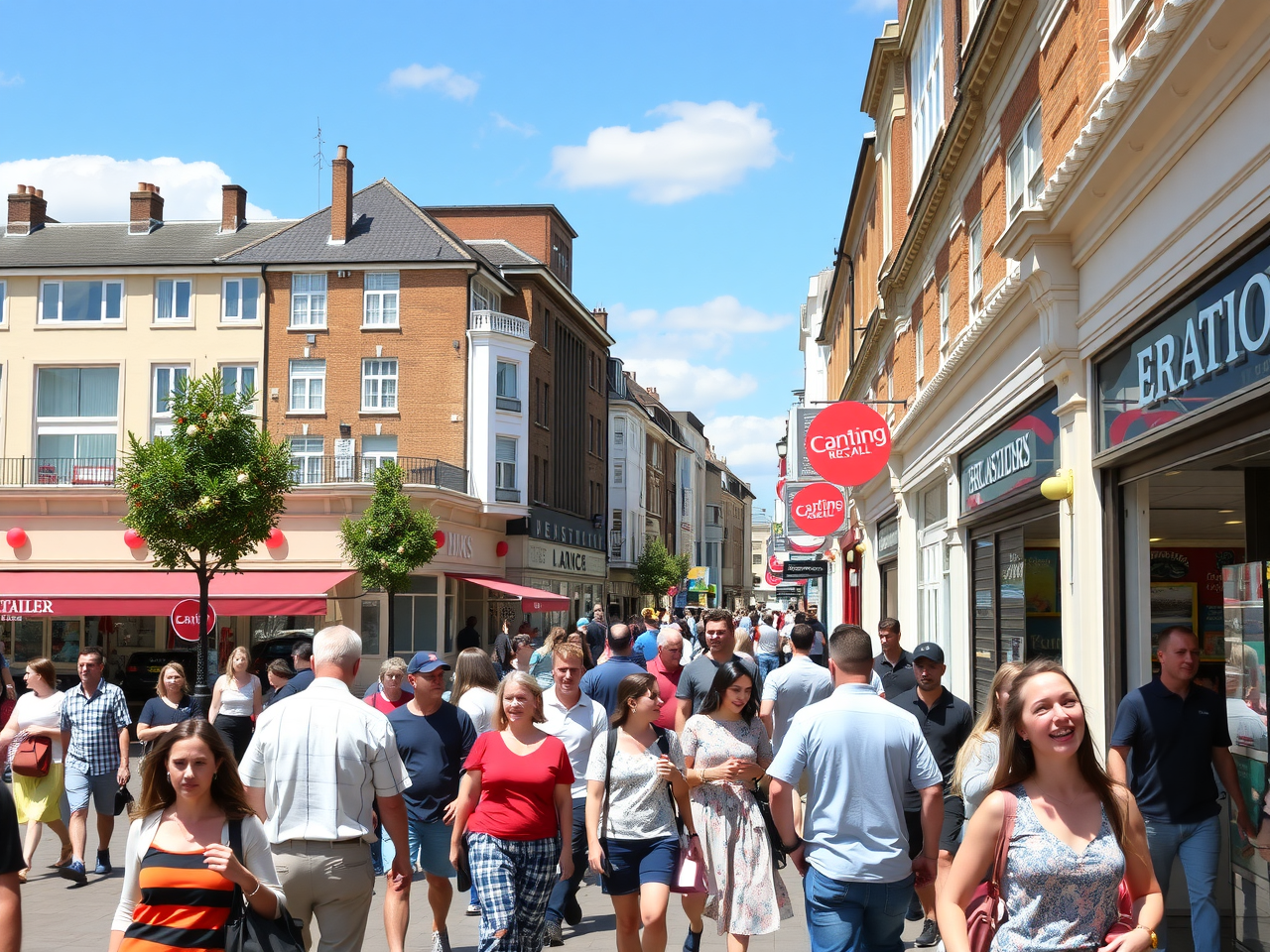
This week's analysis offers a comprehensive look at recent footfall metrics across the UK retail sector as derived from robust footfall analytics. Both Week 31 and Week 32 updates call attention to nuanced changes in footfall trends that are critical for retailers. The unique insights based on footfall data reveal subtle shifts and regional variations that set the tone for strategic planning.
Insights from Major Retail Centres
Major retail centres witnessed slight but important shifts in their daily performance. The UK Major Retail Centres Performance Update reported a modest 1% increase in daily footfall with visitors spending 117 minutes on site. Regional disparities were evident with Scottish centres reaching an impressive 109,500 daily visitors while Welsh centres recorded a robust 12.4% weekly improvement.
Update on Shopping Centres
The latest figures for shopping centres show a minor contraction in overall daily visitor numbers while dwell times improved noticeably. The UK Shopping Centres Week 31, 2025 Performance Update reported an average of 36,000 visitors per day alongside a 5.8% increase in visit duration, which suggests a shift towards longer engagement despite reduced footfall. This balance between moderate visitor decreases and increased dwell time underlines the resilience within the shopping centre format, an important element of footfall retail strategies.
Trends in Local Retail Centres
Local retail centres have displayed mixed performance metrics that require retailers to be adaptive. The Week 32 Local Retail Centres Footfall Update highlighted a 2.5% rise in daily visitor numbers, though annual changes have been marginal. Notably, Welsh centres turned heads with an 12.4% weekly rise and an average dwell time of 119 minutes, while the Local Retail Centres Performance Update pointed to a slight contraction, underscoring the variance in local footfall statistics.
Examination of Retail Parks
Retail parks are experiencing modest adjustments in both visitation figures and duration. According to the Retail Parks Performance Update, Week 31 saw a small 0.4% dip in footfall, while visit durations improved by 2.8%, reaching 73 minutes on average. Regional differences further illustrate this dynamic, with English parks posting the highest dwell times of 75 minutes and Scottish parks showing consistent engagement, emphasising the importance of detailed footfall counting in retail park performance.
Emerging Market Trends
Beyond individual centre performance, broader market dynamics are in play alongside smaller percentage changes that shape the retail landscape. The Weekly Wrap from Weeks 25–27 revealed that even a 4.2% rise in overall footfall data can influence strategic decisions. Economic shifts, warmer weather, and local developments are all factors steering seated and transient behaviours, making this a key moment for retailers who rely on precise footfall statistics and retail insights.
Expert Commentary
Joe Capocci, Huq Industries spokesperson, explained, "The current trends in footfall data underscore the need for agility in retail strategies. Regional nuances and even slight weekly variations can have significant impacts on consumer engagement. Retailers must decode these numbers with thorough footfall analytics to stay ahead in a competitive market."
Final Reflections
In summary, this week's updates provide a detailed snapshot of evolving footfall trends that signal a changing retail environment. While major retail centres have seen an overall positive shift, shopping centres, local retail centres, and retail parks each exhibit unique patterns that require tailored responses. The recent data offers invaluable insights for retailers; continuous monitoring and strategic use of footfall data are essential for future success.
Looking Ahead
Retailers should take away the importance of understanding detailed footfall trends when planning for seasonal peaks or potential downturns. As highlighted by the recent reports, the interplay between footfall retail metrics and consumer behaviour continues to be a critical factor influencing overall performance. With robust data, refined strategies, and clear regional insights, businesses are better equipped to respond to market changes and capitalise on emerging opportunities.
Media: For all media and press enquiries, please contact media@huq.io
About Huq Industries
Huq Industries is the leading provider of location intelligence across the UK, Europe, and the Middle East, specialising in delivering high-quality data insights on footfall, consumer behaviour, and retail performance. By leveraging advanced analytics, Huq Industries enables retailers and analysts to understand and respond to market trends effectively, ensuring they are well-equipped to navigate the changing landscape of high street and town centre commerce.
Get the latest intelligence Benchmark update each Thursday!
Frequently Asked Questions
Clear answers to the most common questions about movement intelligence, retail expansion, and location analytics.
Related Blogs and Insights


.svg)
Empowering strategic teams with the world's most accurate and accessible location intelligence.
Contact

.svg)