.svg)
Week 25-27 Weekly Wrap: Retail Trends Unfold with Location Analytics
A modest 4.2% rise in footfall impresses in this week’s UK retail trends; discover how location analytics is steering consumer insights.

August 14, 2025
4 min read
Table of contents
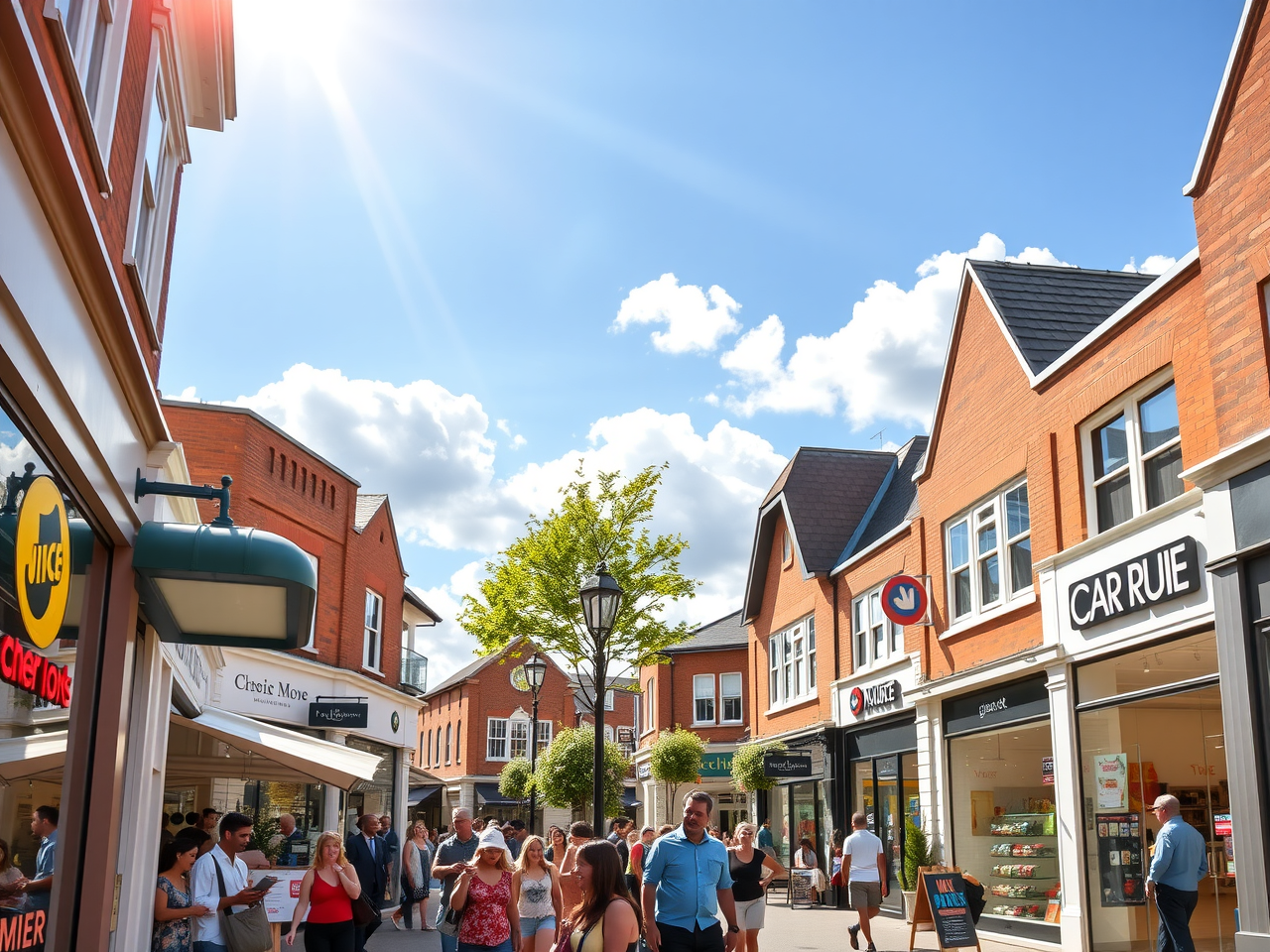
The latest UK retail reports have offered a deep dive into evolving consumer behaviour and market performance, using advanced location analytics to illuminate trends. Recent updates have shown that even a modest uplift in key figures can have a significant ripple effect across the retail landscape. This week, UK retail and consumer engagement were in focus as location intelligence tools highlighted subtle shifts in footfall and dwell time across a variety of formats.
General Overview
The reports present a broad picture of the retail sector, with data-driven insights revealing that gradual improvements in visitor numbers are shaping strategic decisions. For instance, Week 26 Weekly Wrap: Footfall Trends in UK Retail detailed a 4.2% change that has already started to pivot retailer responses. This analysis underlines how even small percentage gains in footfall can transform overall UK retail performance.
Local Retail Centres
Local retail centres have emerged as strong performers this week. The UK Local Retail Centres – Week 27 2025 Performance Update reported an 11.5% surge in daily footfall, with visitors spending an average of 100 minutes on site. The sustained year-on-year growth in these centres highlights renewed consumer interest, bolstering confidence in local markets and igniting discussions on future urban planning.
Shopping Centres Performance
Shoppers have responded robustly to improvements, as evidenced in shopping centres. According to the Week 27 2025 Shopping Centres: Robust Footfall Performance, there was a notable 6.7% weekly increase in visitor numbers, with English centres leading the charge at 36,100 daily visitors. Retailers in these spaces are now keenly tracking dwell time gains, making UK retail a key area where location analytics and footfall metrics intersect.
Mixed Results from Retail Parks
Retail parks have shown a more nuanced picture this week. The UK Retail Parks Week 27, 2025 Performance Update indicated that weekly footfall climbed 8.8% to 20,600 visitors, with dwell times modestly increasing. In contrast, the Week 26 2025 Retail Parks Performance Update reflected only a 0.9% increase in footfall and a slight 2.8% drop in dwell time. These differences underscore the importance of ongoing analysis in refining location intelligence strategies for varied retail environments.
Insights into Major Retail Centres
Major retail centres continue to capture attention through their high visitor volumes and extended dwell times. The Week 27 2025 – Major Retail Centres Footfall Retail Update recorded an impressive 8.7% weekly gain, reaching an average of 84,900 daily visitors. Comparably, the UK Major Retail Centres – Week 26, 2025: Footfall Retail Trends and Performance Update documented subtler increases, with regional distinctions highlighting Scotland’s peak performance. Here, high footfall and dwell time metrics align, reinforcing the resilience of major urban centres.
High Streets and Town Centres in Focus
High streets and town centres are also under the lens this week. The Week 27, 2025 High Streets & Town Centres Performance Update – Leveraging Location Analytics showcased an 8.9% boost in weekly visits, averaging 33,700 daily visitors. Meanwhile, the Week 26, 2025 High Streets & Town Centres: Footfall Performance Insights presented a scenario with slightly lower initial figures, highlighting varying regional dwell times. This variance invites further exploration into how location intelligence is adapting strategies at local levels.
Expert Insights and Future Direction
Joe Capocci, Huq Industries Spokesperson, remarked, "Retail performance is evolving rapidly, and data from location analytics clearly shows how minute changes in visitor behaviour can influence broader market trends." His observations highlight the need for retailers and urban planners to lean on robust data insights to stay ahead. The consistent monitoring of footfall and dwell time metrics is essential in adapting to today’s competitive landscape.
Concluding Thoughts
This weekly analysis paints a comprehensive picture of the dynamic changes taking shape across the UK retail environment. Retail centres from local shops to major complexes are leveraging location analytics to refine their strategies and respond to evolving consumer trends. The interplay between footfall, dwell time, and regional variations underscores the importance of a data-driven approach for sustainable growth.
Looking Ahead
As we move forward, continued investment in location intelligence will be critical for understanding consumer habits and driving competitive advantage in UK retail. The insights from these reports provide a strong foundation for future decisions in urban retail planning. With the momentum of small yet significant improvements, retail stakeholders are better equipped to navigate market shifts and capitalise on emerging opportunities.
Media: For all media and press enquiries, please contact media@huq.io
About Huq Industries
Huq Industries is the leading provider of location intelligence across the UK, Europe, and the Middle East, specialising in delivering high-quality data insights on footfall, consumer behaviour, and retail performance. By leveraging advanced analytics, Huq Industries enables retailers and analysts to understand and respond to market trends effectively, ensuring they are well-equipped to navigate the changing landscape of high street and town centre commerce.
Get the latest intelligence Benchmark update each Thursday!
Sign Up NowFrequently Asked Questions
Clear answers to the most common questions about movement intelligence, retail expansion, and location analytics.
Related Blogs and Insights


.svg)
Empowering strategic teams with the world's most accurate and accessible location intelligence.
Contact

.svg)