.svg)
Week 11 Weekly Wrap: Robust Footfall Retail Analytics Across the UK
Discover how footfall retail trends show a 4.2% rise in retail parks, boosting footfall analytics and footfall data insights.

April 3, 2025
3 min read
Table of contents
Overview of Week 11 Trends
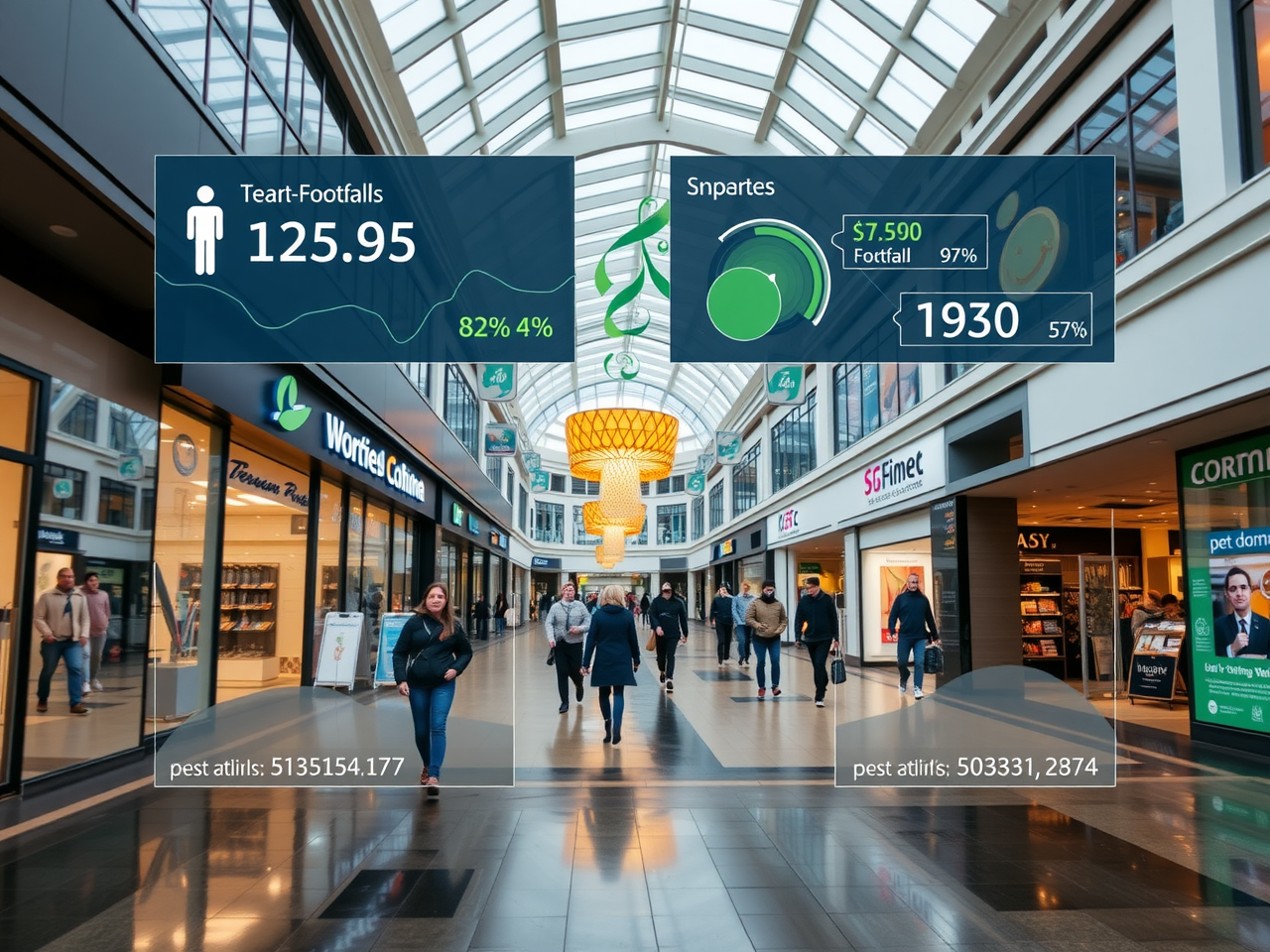
In Week 11, the UK retail scene is buzzing with activity as footfall increases across multiple centre types. The latest footfall data reveal dynamic changes and a notable shift in visitor engagement across key retail outlets. Early indicators pinpoint retail parks and shopping centres as standout performers, with emerging footfall statistics and enhanced dwell times setting the stage for more resilient footfall retail performance.
Retail Parks Surge and Insights
Retail parks experienced a promising boost with an average of 16,200 daily visitors and dwell times rising to 73 minutes in Week 11. Compared to Week 10 figures, which reported 15,600 visitors, these parks now display a subtle yet significant improvement. The detailed Retail Parks Week 11 update provides further insight into regional gains and the upward movement in footfall analytics.
Major Retail Centres Performance
Major retail centres averaged 68,800 daily visitors alongside dwell times of 114 minutes in Week 11. Regions such as Scotland saw impressive numbers with 81,000 visitors, while England and Wales recorded steadier figures. More context on evolving footfall statistics in these centres is available in the Major Retail Centres Week 11 update.
Strong Figures in Shopping Centres
The shopping centres sector reported a significant 12.8% increase, reaching 27,400 visitors per day with dwell times of 113 minutes. This improvement stands in contrast with Week 10 when a decline was observed, indicating a promising rebound in shopper engagement. Comprehensive analysis in the Detailed Shopping Centres data for Week 11 sheds light on these impressive footfall retail outcomes and the role of increased footfall statistics.
High Streets and Town Centres Dynamics
High streets and town centres recorded an average of 28,100 daily visitors with a modest overall improvement. Regional contrasts are evident as England enjoyed minor gains while Scotland saw reduced visitor numbers but slightly longer dwell times. Further information can be found in the High Streets & Town Centres update, which explains emerging trends in footfall counting and strategic retail adjustments.
Local Retail Centres: A Closer Look
Local retail centres reached 13,300 daily visitors with a strong weekly gain of 6.1% despite facing a YoY decline. Regional breakdowns identify Wales and Scotland as rising markets, even as average dwell times slightly dipped. Explore more detailed footfall analytics for these centres in the Local Retail Centres Week 11 update.
Expert Insights and Overall Analysis
Joe Capocci, Huq Industries Spokesperson, remarked, "The upward trends in footfall and longer dwell times are a strong signal that customers are engaging more deeply across all retail environments." He emphasised that substantial improvements in footfall statistics present opportunities for retailers to optimise customer interactions and better capitalise on emerging behavioural trends. This analysis demonstrates that even in face of variable visitor numbers, the enhanced time spent in stores underscores a positive shift in consumer habits.
Looking Ahead
Analysis of Week 10 alongside Week 11 reveals that improved dwell times are bolstering overall footfall retail performance, despite some isolated declines in major centres. Retail businesses can confidently leverage these measurable improvements to adjust their strategies. The nuanced insights and detailed metrics across retail parks, shopping centres, high streets, and local centres continue to inform stakeholders and paint a comprehensive picture of evolving consumer dynamics.
Media: For all media and press enquiries, please contact media@huq.io
About Huq Industries
Huq Industries is the leading provider of location intelligence across the UK, Europe, and the Middle East, specialising in delivering high-quality data insights on footfall, consumer behaviour, and retail performance. By leveraging advanced analytics, Huq Industries enables retailers and analysts to understand and respond to market trends effectively, ensuring they are well-equipped to navigate the changing landscape of high street and town centre commerce.
Get the latest intelligence Benchmark update each Thursday!
Frequently Asked Questions
Clear answers to the most common questions about movement intelligence, retail expansion, and location analytics.
Related Blogs and Insights


.svg)
Empowering strategic teams with the world's most accurate and accessible location intelligence.
Contact

.svg)