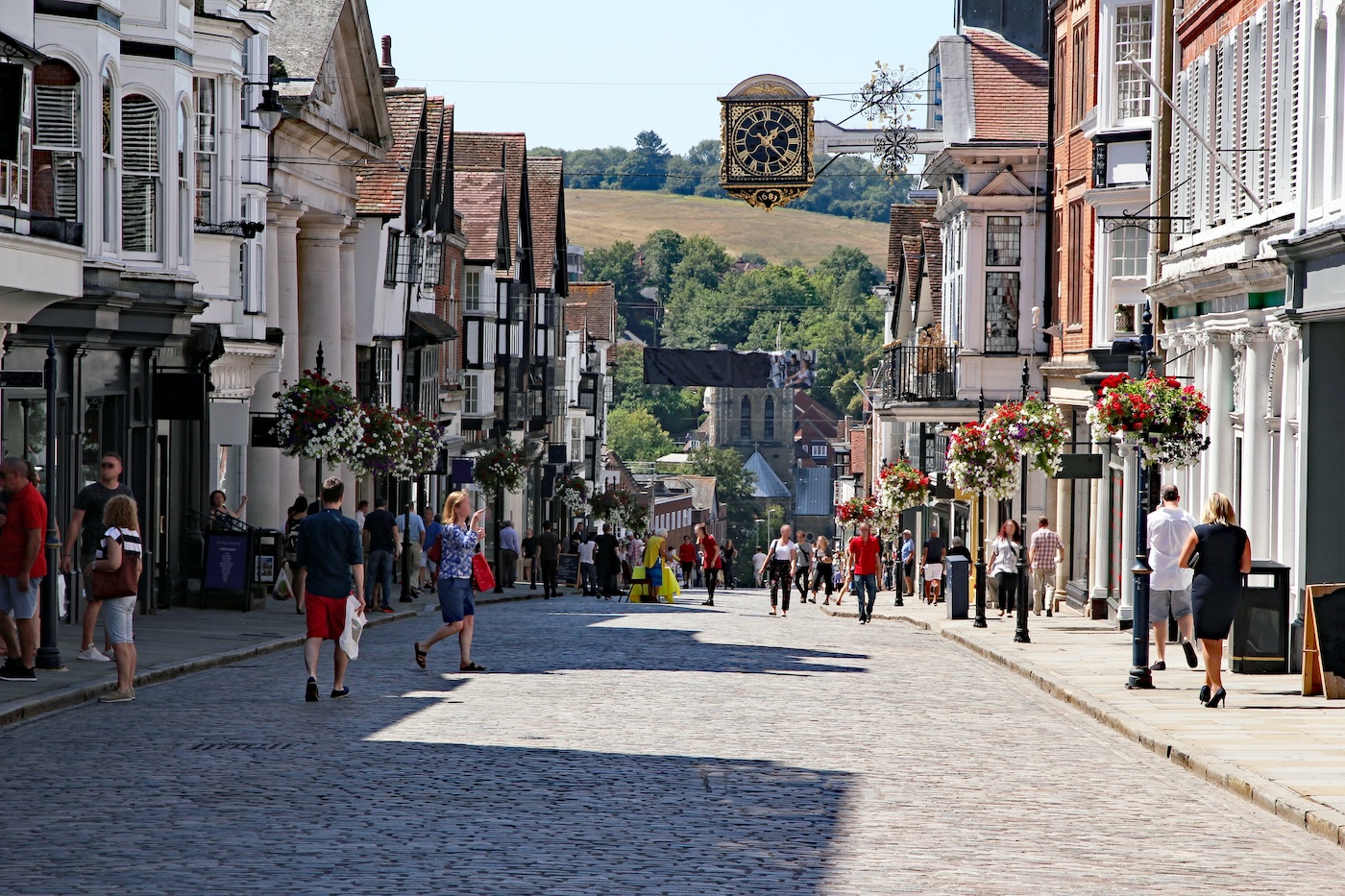
High Streets & Town Centres Footfall Report: Week 5, 2025
High Streets & Town Centres Footfall Report: Week 5, 2025
London's footfall surges YOY, showcasing a recovery in consumer confidence.
Overview of UK High Streets and Town Centres Footfall Data
In the latest week ending February 9, 2025, Huq Industries' footfall data reveals varied trends in footfall, dwell time, and weekday visitation across over 2,700 retail centres in the UK. This footfall report highlights regional differences and notable changes in consumer behaviour, serving as a crucial tool for location intelligence analytics.
High Streets & Town Centres Daily Footfall

Regional Analysis of Footfall Statistics
Scotland experienced a slight increase in footfall week-on-week by 1.4%, but a more moderate year-on-year change. The dwell time in Scotland showed a significant increase, with visitors spending an average of 95 minutes per visit. This reflects a notable improvement in engagement at retail centres.
London, on the other hand, exhibited robust growth in footfall year-on-year, with a notable increase. This suggests recovery and perhaps a shift in consumer confidence in this region. The average dwell time in London also rose to 98 minutes per visit, marking an increase from the previous year.
The South West and North East regions faced challenges with a decrease in footfall compared to last year. However, both regions saw increases in dwell time, indicating that while fewer people visited, those who did were more engaged.
Market Outlook
Based on the direction of the latest footfall data and trends from the previous year, the coming four weeks are likely to see continued regional variability in footfall and dwell time across UK High Streets and Town Centres. Retailers and location intelligence companies should monitor these trends closely to adapt their strategies accordingly.
Strategic Implications for Retailers
This footfall report is not only a reflection of current consumer behaviour but also a predictive tool for site selection and strategic planning. Retailers and commercial real-estate companies can leverage this location intelligence data to optimise their operations and marketing strategies in an evolving market.
Partner with Huq
Track consumer footfall and spend dynamics across your store network using Huq data and compare to your own sales data. Gain insights into crucial questions such as 'are we out-performing the market', 'where our similar locations for new store growth', and 'how healthy is this retail centre'.
If you are interested in basing your location insights to actual consumer behaviour then please connect with our team.

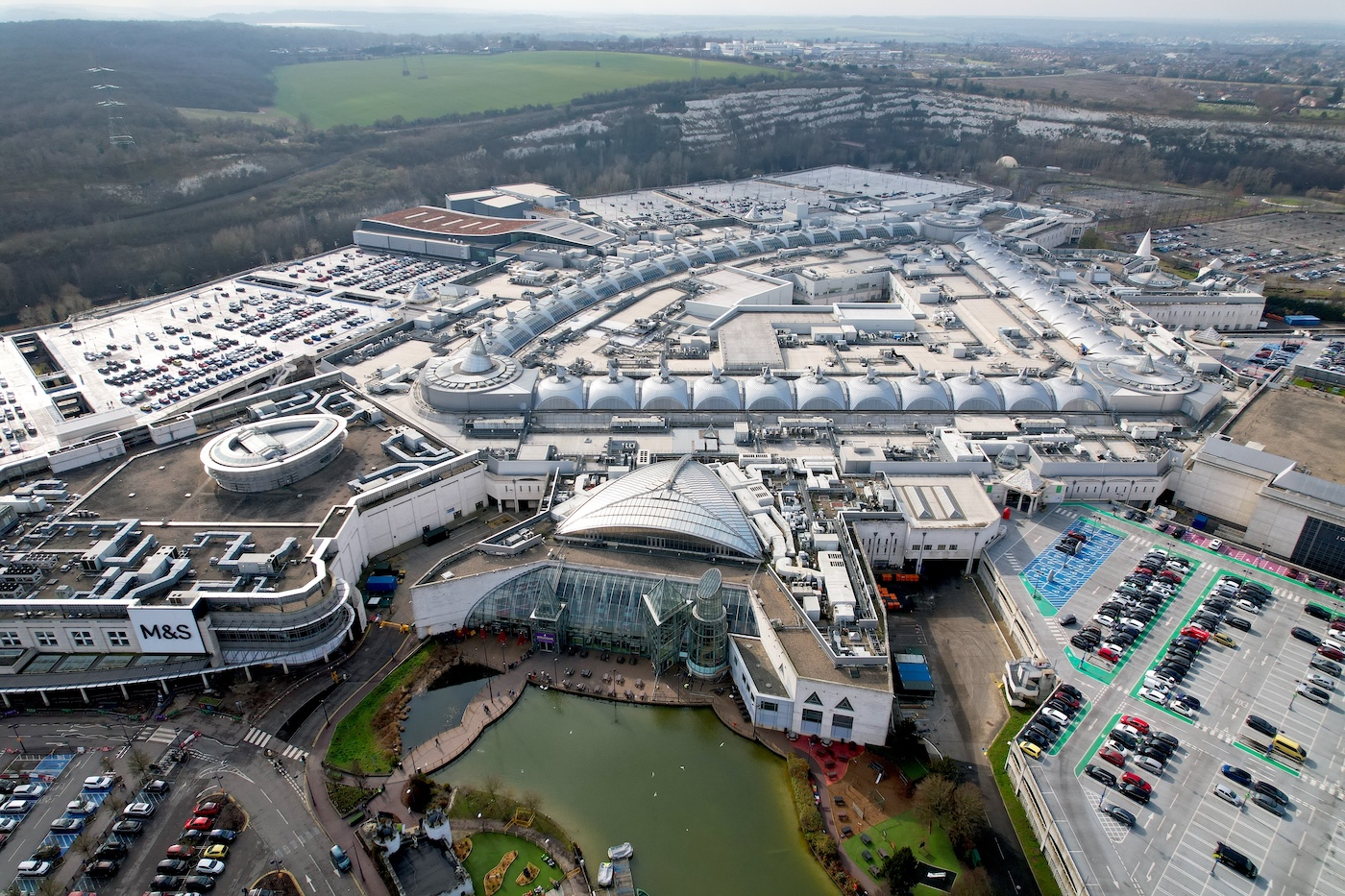
Retail Parks Footfall Report: Week 5, 2025
Retail Parks Footfall Report: Week 5, 2025
Recent footfall data shows a mixed picture in UK retail parks, with Scotland seeing a 1.1% rise in visitors.
The latest data from Huq Industries reveals nuanced trends in retail park visitation across the UK, highlighting regional variations in footfall, dwell time, and weekday visitation for the week ending February 9, 2025. The data, which covers over 2,700 retail centres, shows that while some regions experienced slight increases in footfall, others saw more significant declines, reflecting the diverse economic landscapes across the country.
Retail Parks Daily Footfall

Footfall Data Overview
In terms of footfall, Scotland and the North East reported slight increases week on week, with Scotland seeing a 1.1% rise and the North East a modest 0.2% decrease. However, year-on-year comparisons show a more challenging scenario, with both regions experiencing declines.
Dwell Time Analysis
Dwell time, which measures the average length of a visit, saw increases in several regions. Notably, Scotland reported a significant increase in dwell time, with visitors spending more time at retail park locations compared to the previous year. Other regions like the West Midlands and the North West also reported increases in dwell time, indicating a potential shift in consumer behaviour towards longer, more engaged visits.
Weekday Visitation Trends
Weekday visitation shares, which indicate the proportion of visits occurring during weekdays, varied across regions. For instance, the South East saw a notable increase in weekday visitation, suggesting a shift in consumer patterns, possibly influenced by remote working trends or changes in local employment.
Location Performance and Market Outlook
The data also highlights specific retail centres that have outperformed or underperformed in recent times. For example, Chelmer Village Retail Park in Chelmsford and One Stop Shopping Centre in Birmingham have seen significant positive changes in their visitation metrics, while locations like Barnsley Retail Park and Elk Mill Centre Retail Park in Oldham have faced declines.
This detailed analysis by Huq Industries not only provides insights into the current state of retail parks but also helps retailers and real estate companies strategise more effectively, taking into account regional differences and evolving consumer behaviours.
Partner with Huq
Track consumer footfall and spend dynamics across your store network using Huq data and compare to your own sales data. Gain insights into crucial questions such as 'are we out-performing the market', 'where our similar locations for new store growth', and 'how healthy is this retail centre'.
If you are interested in basing your location insights to actual consumer behaviour then please connect with our team.
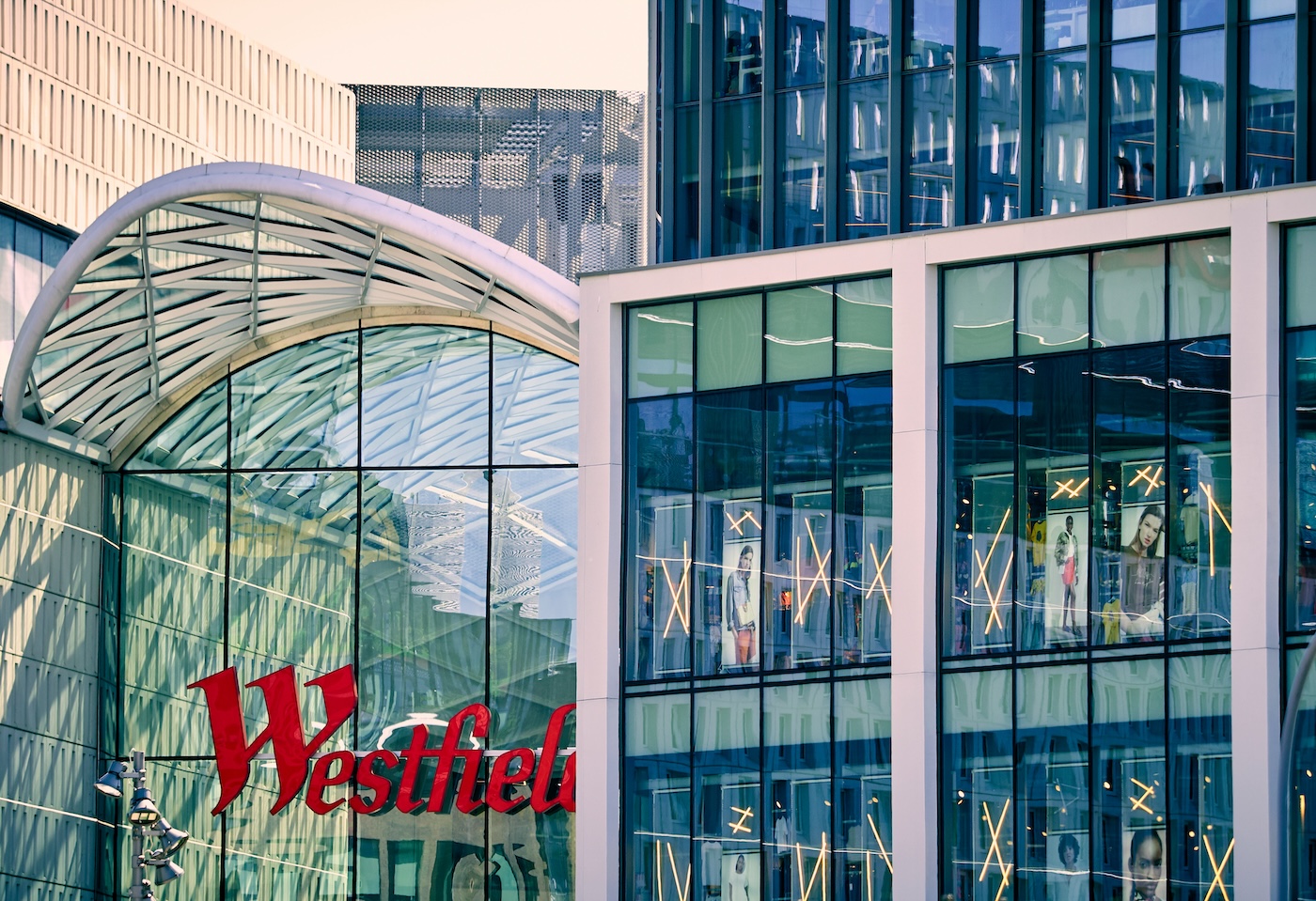
Shopping Centres Footfall Report: Week 5, 2025
Shopping Centres Footfall Report: Week 5, 2025
Scotland sees an 11.1% increase in footfall year-on-year, while Northern Ireland faces a sharp decline, according to latest footfall data.
Recent data from Huq Industries reveals varied trends in retail centre visitation across the UK, highlighting regional differences in consumer behaviour. As of the week ending February 9, 2025, the data shows that while some regions experienced a decline in footfall, others saw significant increases in dwell time, indicating a complex landscape for retailers.
Shopping Centres Daily Footfall

Regional Footfall Trends
In Scotland, despite a slight week-on-week decrease in footfall, there was an 11.1% increase compared to the same week last year. Dwell time in Scotland decreased, suggesting shorter visits. Conversely, the West Midlands saw a modest week-on-week increase in footfall and a notable increase in dwell time year-on-year, reflecting longer stays at shopping centres.
Northern Ireland faced a sharp decrease in footfall, one of the steepest declines observed. However, dwell time more than doubled, indicating that those who visited spent a lot more time at the centres. London showed a robust increase in footfall year-on-year, coupled with a slight increase in dwell time, underscoring its resilience as a hub for retail destinations.
Performance of Specific Centres
Gloucester Quays Outlet in the South West and Cheshire Oaks Designer Outlet in the North West were among the top performers, with footfall changes respectively. In contrast, London's retail centres like the London Designer Outlet in Wembley and Westfield London in Hammersmith and Fulham saw minimal changes, indicating a stabilisation in visitor numbers after previous fluctuations.
Market Outlook
Based on the direction of the latest footfall data and historical trends, the coming four weeks are likely to see continued regional variability in footfall and dwell times. Retail centres in regions with increasing footfall may experience further growth, while those in areas with declining footfall might face challenges. This analysis by Huq Industries not only provides insights into regional retail trends but also helps stakeholders understand the dynamics at play, aiding in strategic planning and operational adjustments.
Partner with Huq
Track consumer footfall and spend dynamics across your store network using Huq data and compare to your own sales data. Gain insights into crucial questions such as 'are we out-performing the market', 'where our similar locations for new store growth', and 'how healthy is this retail centre'.
If you are interested in basing your location insights to actual consumer behaviour then please connect with our team.
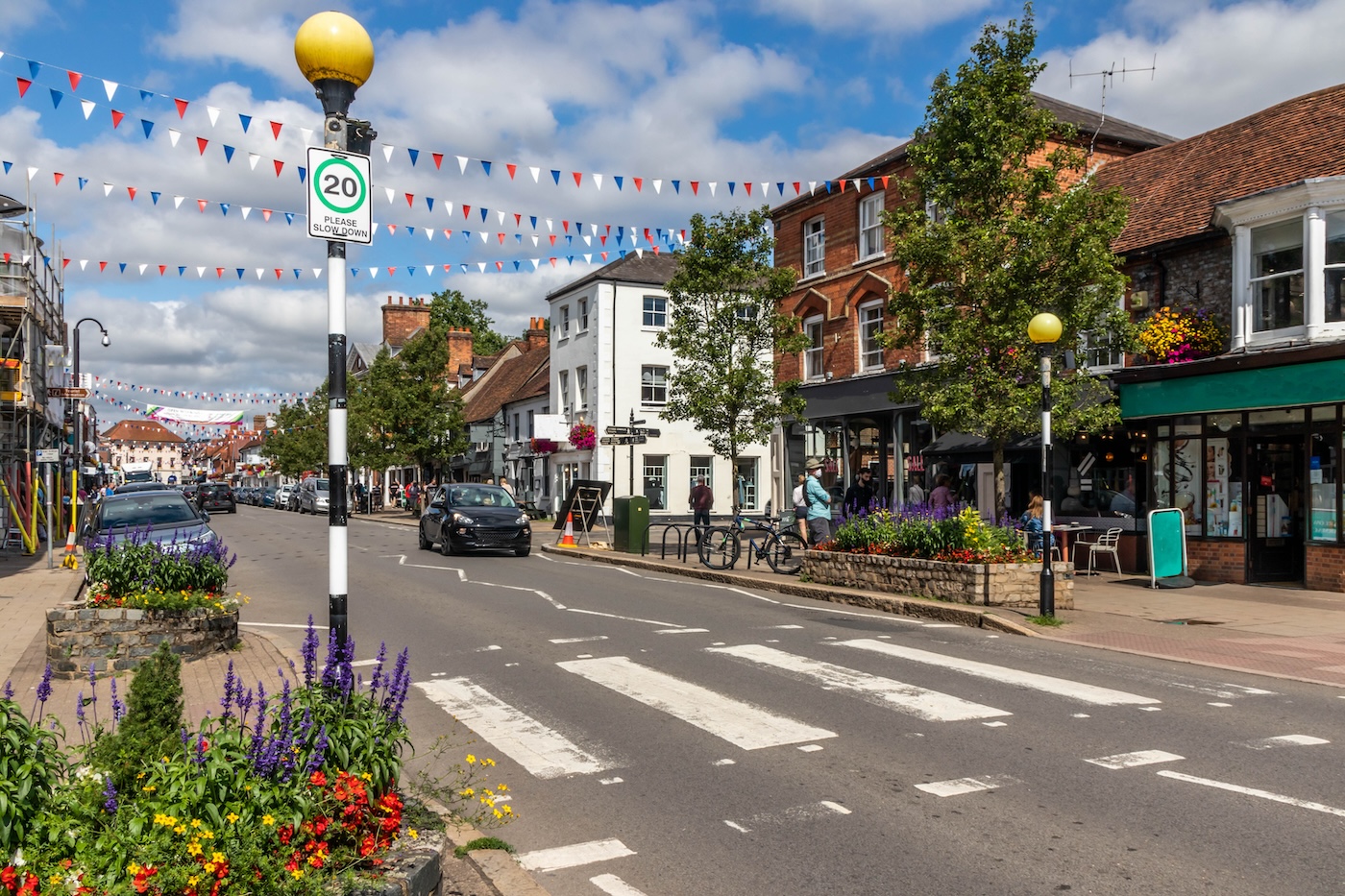
Local Retail Centres Footfall Report: Week 5, 2025
Local Retail Centres Footfall Report: Week 5, 2025
London sees a 0.5% YOY increase in footfall, while dwell time jumps to 113 minutes. East of England footfall declines YOY.
Recent data from Huq Industries reveals nuanced trends in footfall, dwell time, and weekday visitation across various UK regions in local retail centres. As of the week ending February 9, 2025, London shows a slight increase in average daily footfall year-on-year by 0.5%, while the average visit dwell time in the region has seen a significant rise, now averaging 113 minutes per visit. This represents a substantial increase compared to the same period last year. In contrast, the East of England experienced a slight increase in footfall week-on-week but a notable decline year-on-year.
The average visit dwell time in this region also increased, reflecting a broader trend of longer stays at retail centres. The West Midlands and North East regions show similar patterns, with modest changes in footfall but significant increases in dwell time, indicating that while fewer people may be visiting, those who do are staying longer. This data underscores the evolving dynamics of retail visitation, with significant regional variations that could influence future business and planning strategies for retailers and commercial real estate companies.
Local Retail Centres Daily Footfall

Partner with Huq
Track consumer footfall and spend dynamics across your store network using Huq data and compare to your own sales data. Gain insights into crucial questions such as 'are we out-performing the market', 'where our similar locations for new store growth', and 'how healthy is this retail centre'.
If you are interested in basing your location insights to actual consumer behaviour then please connect with our team.
Major Retail Centres Footfall Report: Week 5, 2025
Major Retail Centres Footfall Report: Week 5, 2025
UK retail centres show varied footfall trends as of Feb 9, 2025, with significant changes in London and the North East.
Recent data from Huq Industries reveals nuanced trends in footfall, dwell time, and weekday visitation across major retail centres in the UK. As of the week ending February 9, 2025, different regions exhibit varied patterns, reflecting the dynamic nature of retail activity in the country.
Major Retail Centres Daily Footfall

In the South West, there has been a slight decrease in average daily footfall compared to the previous week, with a more significant reduction over the past year. However, the average visit dwell time in this region remains relatively stable, with only a minor decrease week-on-week.
Conversely, the West Midlands shows a robust increase in dwell time year-on-year, suggesting that while fewer people may be visiting, those who do are staying longer. This could indicate a shift towards more engaged, purposeful shopping experiences in this area.
Yorkshire and the Humber, along with Wales, also show interesting trends. In Wales, there's a notable year-on-year increase in footfall, contrasting with a decrease in dwell time, suggesting quicker, possibly more frequent visits.
In the North East and London, both footfall and dwell time have seen significant increases compared to last year, pointing to a resurgence in retail activity. These areas might be experiencing a retail revival, possibly driven by new attractions or improved consumer confidence.
The data also highlights regional winners and losers in terms of retail centre performance. Edinburgh City, Wrecsam in Wales, and Ipswich in the East of England have shown notable improvements, while centres like Hastings and King's Lynn have not fared as well.
This detailed insight into regional retail dynamics, provided by Huq Industries, underscores the importance of location intelligence in understanding and responding to consumer behaviour in the retail sector.
Partner with Huq
Track consumer footfall and spend dynamics across your store network using Huq data and compare to your own sales data. Gain insights into crucial questions such as 'are we out-performing the market', 'where our similar locations for new store growth', and 'how healthy is this retail centre'.
If you are interested in basing your location insights to actual consumer behaviour then please connect with our team.
Weekly Wrap: UK Retail Footfall Insights: Week 5, 2025 - Diverse Regional Trends
Weekly Wrap: UK Retail Footfall Insights: Week 5, 2025 - Diverse Regional Trends
Discover the latest footfall trends across UK retail centres, with significant changes in London and Scotland, and varied regional performances.
In the latest comprehensive analysis of footfall across various types of retail centres in the UK, Huq Industries provides a detailed snapshot of consumer behavior for the week ending February 9, 2025. This report contrasts the performance of major retail centres, local retail centres, shopping centres, retail parks, and high streets & town centres, highlighting significant regional variations and trends that could influence future business and planning strategies for retailers and commercial real estate companies.
Daily Footfall by Retail Centre Type

Major Retail Centres
In major retail centres, London and the North East have shown significant increases in both footfall and dwell time compared to last year, suggesting a retail revival possibly driven by new attractions or improved consumer confidence. Conversely, the South West experienced a slight decrease in average daily footfall compared to the previous week, with a more significant reduction over the past year. However, the average visit dwell time in this region remains relatively stable. The West Midlands shows a robust increase in dwell time year-on-year, indicating a shift towards more engaged, purposeful shopping experiences. Read more about Major Retail Centres Footfall.
Local Retail Centres
In local retail centres, London again stands out with a slight increase in average daily footfall year-on-year by 0.5%, and a significant rise in average visit dwell time, now averaging 113 minutes per visit. This contrasts with the East of England, which experienced a slight increase in footfall week-on-week but a notable decline year-on-year. Read more about Local Retail Centres Footfall.
Shopping Centres
Scotland and the West Midlands are noteworthy in shopping centres, with Scotland seeing an 11.1% increase in footfall year-on-year, despite a slight week-on-week decrease. Northern Ireland faced a sharp decrease in footfall, one of the steepest declines observed, although dwell time more than doubled, indicating that those who visited spent a lot more time at the centres. Read more about Shopping Centres Footfall.
Retail Parks
Scotland also saw a 1.1% rise in visitors to retail parks, contrasting with the North East, which experienced a modest 0.2% decrease week-on-week. Dwell time in Scotland reported a significant increase, with visitors spending more time at retail locations compared to the previous year. Read more about Retail Parks Footfall.
High Streets & Town Centres
London's high streets and town centres surged year-on-year in footfall, showcasing a recovery in consumer confidence. Scotland experienced a slight increase in footfall week-on-week by 1.4%, but a more moderate year-on-year change. The South West and North East regions faced challenges with a decrease in footfall compared to last year, although increases in dwell time were noted. Read more about High Streets & Town Centres Footfall.
Market Outlook
Based on the direction of the latest footfall data and historical trends, the coming weeks are likely to see continued regional variability in footfall and dwell times across UK retail centres. This analysis not only provides insights into regional retail trends but also helps stakeholders understand the dynamics at play, aiding in strategic planning and operational adjustments.
Partner with Huq
Track consumer footfall and spend dynamics across your store network using Huq data and compare to your own sales data. Gain insights into crucial questions such as 'are we out-performing the market', 'where our similar locations for new store growth', and 'how healthy is this retail centre'. If you are interested in basing your location insights to actual consumer behaviour then please connect with our team.
Major Retail Centres Footfall Report: Week 4, 2025
Major Retail Centres Footfall Report: Week 4, 2025
Latest footfall data shows a 1.2% increase in London's retail centres, with significant year-on-year changes in Northern Ireland.
In the latest week ending February 1, 2025, Huq Industries' footfall data reveals varied trends in footfall, dwell time, and weekday visitation across major retail centres in the UK. London, for instance, saw a slight increase in average daily footfall compared to the previous week, with a 1.2% rise. Meanwhile, the average visit dwell time in London decreased slightly by 0.9% week on week, reflecting a dynamic retail environment. In contrast, the South West region experienced a stable week on week footfall but noted a decrease in dwell time by the same margin. Notably, Northern Ireland showed a significant increase in average visit dwell time year on year, highlighting a shift in consumer behaviour in the region. These insights are crucial for retailers and commercial real-estate companies looking to understand and adapt to changing consumer patterns in different UK regions.
Footfall Data Analysis
The latest footfall report from Huq Industries provides a comprehensive overview of the current state of retail centres across the UK. The data, collected up to February 1, 2025, indicates a nuanced landscape of consumer activity. In London, the footfall statistics show a modest increase of 1.2% in average daily footfall, suggesting a resilient retail sector despite fluctuating economic conditions. The South West, however, maintained a consistent level of footfall, indicating stability in consumer visits.
Dwell Time Dynamics
Dwell time, a critical metric for assessing consumer engagement, also varied across regions. London's retail centres experienced a slight decrease in dwell time by 0.9%, possibly due to faster purchasing decisions or improved store efficiency. Conversely, Northern Ireland's increase in dwell time year on year could suggest deeper engagement or more extensive browsing by shoppers, a positive sign for retailers in the area.
Location Intelligence Insights
Utilising location intelligence analytics, Huq's report offers valuable insights into the strategic planning of site selection for retailers. The footfall data and dwell time statistics are essential components of location intelligence, helping businesses optimise their operations and customer reach. This detailed analysis is particularly beneficial for location intelligence companies looking to refine their market strategies.
Market Outlook
Looking ahead, the direction of the latest footfall data and historical trends suggest potential shifts in consumer behaviour over the next four weeks. Last year's data indicates that similar trends could continue, with possible variations in footfall and dwell time across different regions. Retailers and commercial real-estate companies should monitor these trends closely to adapt their strategies accordingly.
Partner with Huq
Track consumer footfall and spend dynamics across your store network using Huq data and compare to your own sales data. Gain insights into crucial questions such as 'are we out-performing the market', 'where our similar locations for new store growth', and 'how healthy is this retail centre'.
If you are interested in basing your location insights to actual consumer behaviour then please connect with our team.

Local Retail Centres Footfall Report: Week 4, 2025
Local Retail Centres Footfall Report: Week 4, 2025
Significant 8.8% increase in South West weekday footfall, as per latest Huq footfall report.
Recent data from Huq Industries reveals nuanced trends in retail centre visitation across the UK, highlighting regional variations in footfall, dwell time, and weekday visitation for the week ending February 1, 2025. In Yorkshire and the Humber, average daily footfall has seen a slight increase week on week, while the average visit dwell time in Scotland has risen by 6% from the previous week. The South West region shows a significant 8.8% increase in working weekday visitation share, indicating a shift in consumer behaviour towards shopping during weekdays. London, maintaining a steady pace, shows a modest 1.1% increase in footfall week on week. These insights are crucial for retailers and commercial real-estate companies looking to optimise their operations and marketing strategies based on consumer mobility trends.
Regional Footfall Data Analysis
The latest footfall report from Huq Industries provides a detailed breakdown of footfall statistics across various UK regions. Yorkshire and the Humber's retail centres have experienced a marginal increase in footfall, reflecting a resilient consumer base. Scotland's retail hubs, on the other hand, have seen a notable increase in dwell time, suggesting enhanced engagement at shopping locations. The South West's 8.8% rise in weekday footfall underscores a significant shift in shopping patterns, likely influenced by changes in work-from-home policies and local economic factors.
Location Intelligence in Retail
Huq's location intelligence analytics are instrumental in deciphering the dynamics of footfall retail. By leveraging location intelligence data, businesses can gain insights into consumer behaviour and site selection strategies. This is particularly relevant for location intelligence companies looking to enhance their market positioning and operational efficiency. The integration of location intelligence retail analytics into business models is proving to be a game-changer in understanding and predicting consumer movements and preferences.
Market Outlook
Looking ahead, the direction of the latest footfall data suggests that the upcoming four weeks could see continued growth in regions like the South West, while stabilisation may occur in areas like London. This forecast is based on current trends and last year's data during the same period. Retailers and location intelligence analysts should monitor these trends closely to adjust their strategies accordingly. The ability to predict market movements based on comprehensive footfall statistics and location intelligence analytics will be crucial for strategic planning in the retail sector.
Partner with Huq
Track consumer footfall and spend dynamics across your store network using Huq data and compare to your own sales data. Gain insights into crucial questions such as 'are we out-performing the market', 'where our similar locations for new store growth', and 'how healthy is this retail centre'.
If you are interested in basing your location insights to actual consumer behaviour then please connect with our team.
Retail Parks Footfall Report: Week 4, 2025
Retail Parks Footfall Report: Week 4, 2025
Latest footfall data reveals London maintains highest dwell time at 95 minutes, as of February 1, 2025.
Retail Parks in the UK have seen varied performance in terms of footfall and dwell time across different regions, according to the latest footfall data from Huq Industries. As of the week ending February 1, 2025, the data reveals some interesting trends in consumer behaviour across these shopping destinations.
Retail Parks Daily Footfall

Regional Footfall Data Analysis
In Wales, the average daily footfall has seen a slight decrease week on week, while the average visit dwell time stands at 67 minutes. The working weekday visitation share in Wales is 46.7%, indicating a preference for shopping during weekdays.
The North West region shows a modest increase in footfall compared to the previous week, with an average visit dwell time of 65 minutes. This region also has a higher working weekday visitation share of 48.5%, suggesting a strong weekday shopping trend.
London, known for its bustling retail environment, maintains a high average visit dwell time of 95 minutes, the highest among the regions reported. The working weekday visitation share in London is also impressive at 50.2%, highlighting its status as a prime shopping destination throughout the week.
Performance of Specific Retail Centres
The data also highlights the performance of specific retail centres. For instance, Capitol Centre Retail Park in South Ribble and Junction One Retail & Leisure Park in Rugby are among the top performers with significant increases in footfall. Conversely, Almond Road Retail Park in Leicester and Kittybrewster Retail Park in Aberdeen City are among those that have seen declines.
Market Outlook
This detailed insight into retail park visitation patterns across the UK not only helps consumers make informed decisions but also aids retailers and real estate companies in strategizing their operations to better meet consumer demands. The footfall data and location intelligence analytics provided by Huq offer a robust basis for site selection and strategic planning in the retail sector. Looking ahead, based on the direction of the latest data and trends from the same period last year, we can anticipate continued strong performance in regions like London, while areas showing a decline may need to reassess their consumer engagement strategies.
Partner with Huq
Track consumer footfall and spend dynamics across your store network using Huq data and compare to your own sales data. Gain insights into crucial questions such as 'are we out-performing the market', 'where our similar locations for new store growth', and 'how healthy is this retail centre'.
If you are interested in basing your location insights to actual consumer behaviour then please connect with our team.
High Streets & Town Centres Footfall Report: Week 4, 2025
High Streets & Town Centres Footfall Report: Week 4, 2025
Huq's latest footfall data shows nuanced trends in UK retail centres, with London seeing robust recovery.
Huq Industries' latest footfall data, covering the week ending February 1, 2025, provides a comprehensive footfall report on over 2,700 retail centres across the UK. This footfall statistics reveal a complex landscape of consumer behaviour, with significant regional variations in footfall, dwell time, and weekday visitation.
High Streets & Town Centres Daily Footfall

Regional Footfall Trends
In the South East, there is a slight week-on-week increase in footfall, yet a notable decline when compared to the same period last year. Despite this, dwell times have increased, suggesting a more engaged consumer base, albeit smaller in size. Similar patterns are observed in the East Midlands and West Midlands, where increased dwell times accompany the footfall statistics.
London, however, shows a robust year-on-year increase in both footfall and dwell time, highlighting increased consumer confidence. This positive trend in London's footfall data contrasts with the North East and Wales, where there are substantial declines in footfall year-on-year, though dwell times have risen, indicating a more focused but reduced customer base.
Top Performers and Underperformers
The footfall report highlights specific locations with varying performance. Palmerston Road in Southsea and Manchester Road in Denton have recorded increases in visitation. Conversely, Romford Road in Manor Park and Edgware in Harrow have seen significant drops in footfall.
Market Outlook
Based on the current footfall statistics and trends from the previous year, the next four weeks could see continued growth in regions like London, while areas with declining footfall might struggle to rebound. This predictive analysis is crucial for retailers and commercial real-estate companies utilising location intelligence analytics to make informed site selection decisions.
Location Intelligence in Retail
The integration of location intelligence data into retail strategy is increasingly critical. Companies leveraging location intelligence analytics gain a competitive edge by understanding regional market dynamics. This footfall data is a testament to the value of location intelligence in retail, offering detailed insights that aid in strategic planning and site selection.
Huq's footfall report serves as a vital tool for businesses in the retail sector, providing essential footfall statistics and location intelligence data that inform critical business decisions. The detailed insights into consumer behaviour across various regions underscore the importance of sophisticated location intelligence analytics in today's competitive market.
Partner with Huq
Track consumer footfall and spend dynamics across your store network using Huq data and compare to your own sales data. Gain insights into crucial questions such as 'are we out-performing the market', 'where our similar locations for new store growth', and 'how healthy is this retail centre'.
If you are interested in basing your location insights to actual consumer behaviour then please connect with our team.