.svg)
Weekly Wrap: Week 43, 2024: Traditional Retail Sectors Flourish
Recent data from Huq Industries highlights significant regional variations in retail centre performance across the UK for week 43, 2024.

January 9, 2025
2 min read
Table of contents
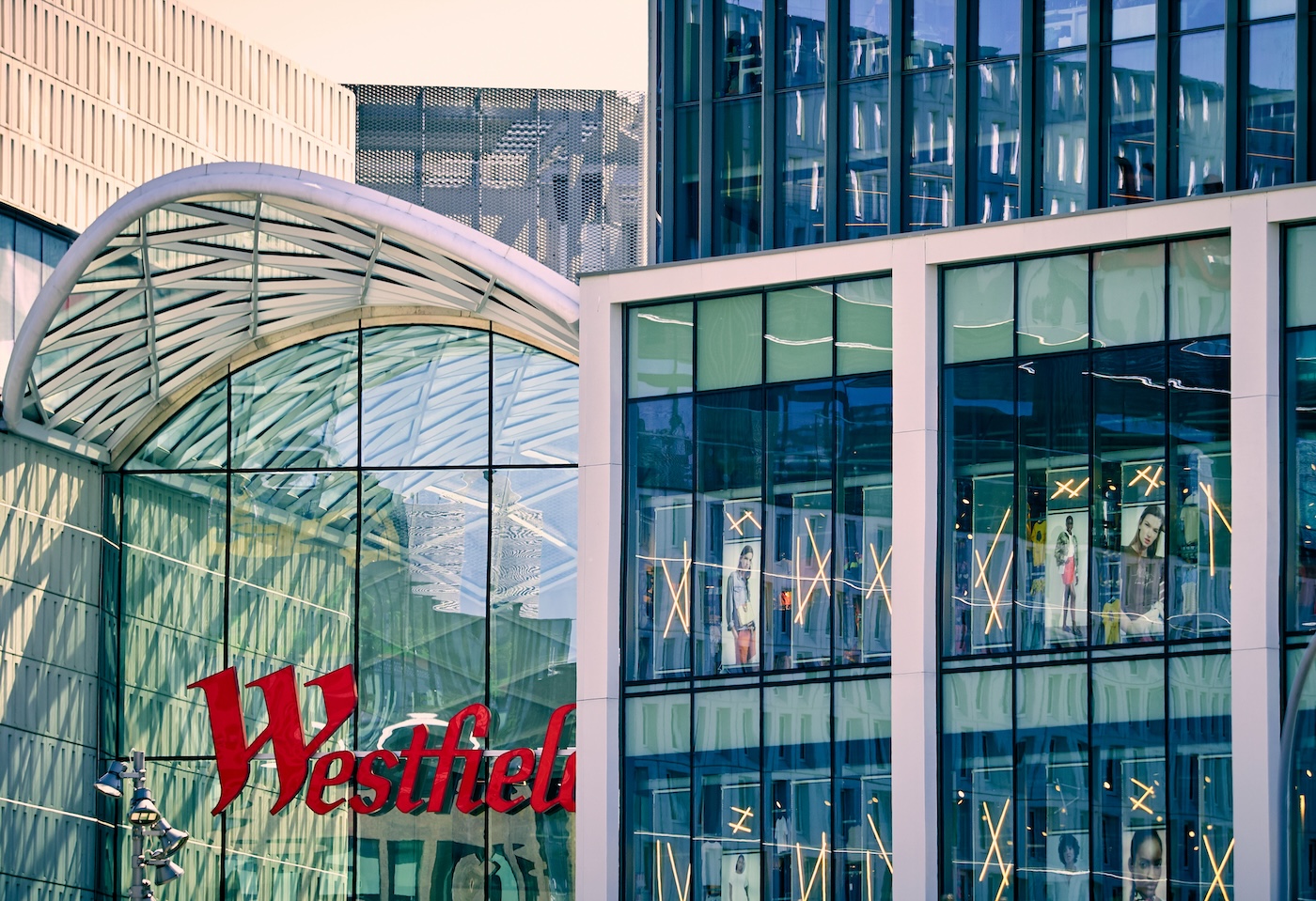
Recent data from Huq Industries highlights significant regional variations in retail centre performance across the UK for week 43, 2024.
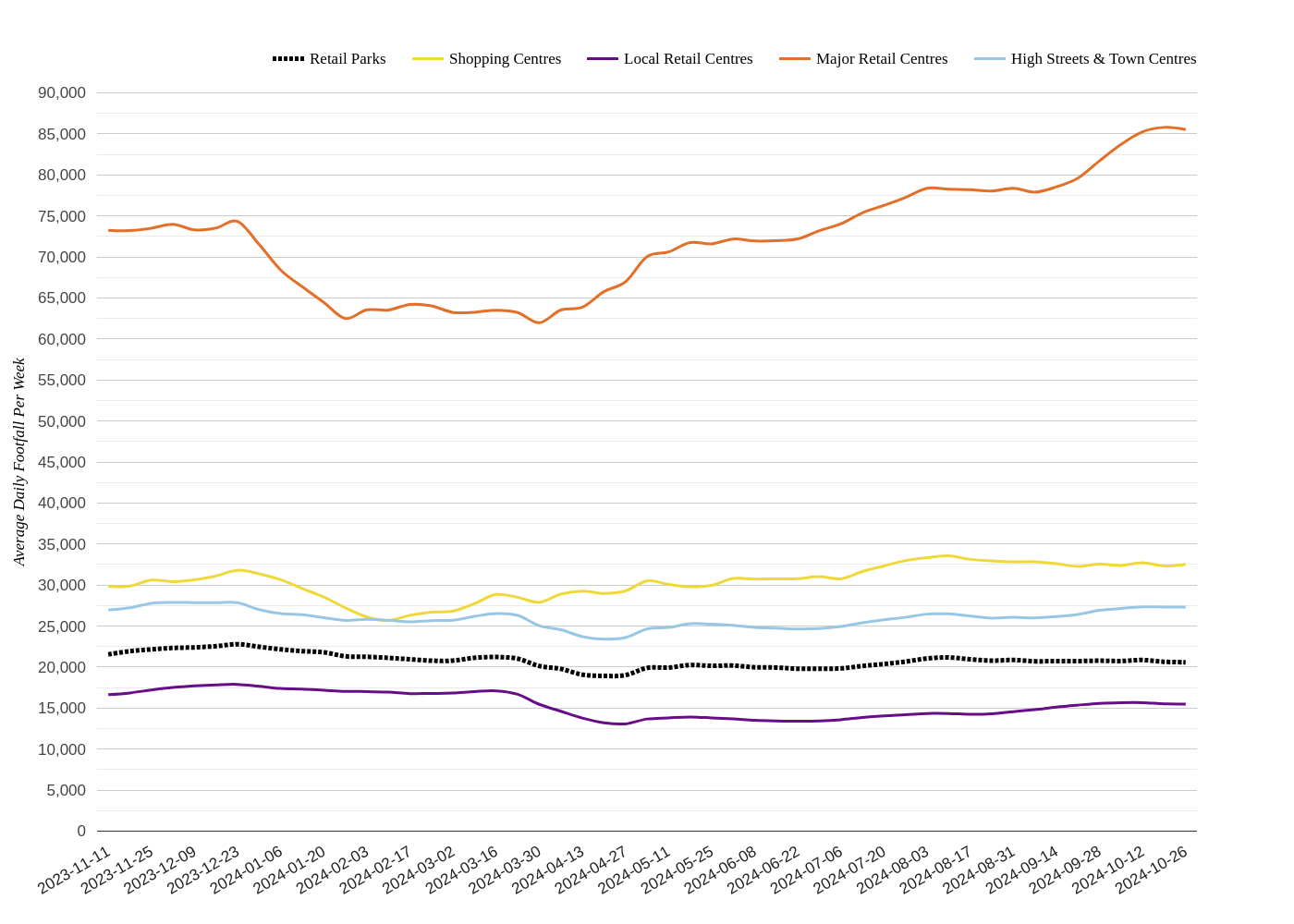
Daily Footfall by Retail Centre Type
High Streets & Town Centres
In London, high streets and town centres have witnessed a strong increase in footfall year-on-year, coupled with a rise in dwell time. This indicates not only more visits but also longer stays, suggesting a strong consumer engagement in urban retail activities. The West Midlands also showed resilience with an increase in footfall and a surge in dwell time year-on-year. Conversely, the South East experienced a decline in footfall. Specific centres like Hitchin in North Hertfordshire saw the highest increase in footfall. For more details, see the High Streets & Town Centres report.
Local Retail Centres
Local retail centres in Northern Ireland, despite a slight week-on-week decrease, saw a significant year-on-year increase in footfall. Dwell time in this region, however, decreased both week-on-week and year-on-year, reflecting shorter visits. The South East and Wales reported increases in dwell time, indicating a preference for longer shopping trips. London’s moderate year-on-year footfall increase and significant rise in dwell time further confirm its strong market position. For more insights, refer to the Local Retail Centres report.
Shopping Centres
The East Midlands led with a notable increase in footfall among shopping centres, contrasting with declines in Wales and Northern Ireland. London again showed a healthy increase in both footfall and dwell time. The White Rose Centre in Leeds and the Ashford Designer Outlet in the South East were top performers, while Merry Hill and Gloucester Quays Outlet faced declines. Detailed analysis can be found in the Shopping Centres report.
Major Retail Centres
London’s major retail centres saw a modest week-on-week increase in footfall while Wales experienced a slight decrease. Northern Ireland’s significant year-on-year increase in footfall reflects a robust recovery. The detailed trends are available in the Major Retail Centres report.
Retail Parks
Retail parks showed mixed results, with Scotland and Wales experiencing increased dwell times, suggesting longer stays. However, footfall declined in the South West and East of England, indicating regional economic challenges or shifts in consumer preferences. For further details, see the Retail Parks report.
Market Outlook
Looking ahead, regions like London could continue to see growth in retail activity over the next four weeks, based on current trends and historical data. However, areas with declining footfall, such as certain centres in the North West, may need to enhance their appeal to reverse this trend.
The use of location intelligence analytics in understanding these trends is becoming increasingly important for businesses aiming to maximise their operational efficiency and customer engagement.
Partner with huq
Track consumer footfall and spend dynamics across your store network using huq data and compare to your own sales data. Gain insights into crucial questions such as ‘are we out-performing the market’, ‘where are our similar locations for new store growth’, and ‘how healthy is this retail centre’.
If you are interested in basing your location insights to actual consumer behaviour then please connect with our team.
Frequently Asked Questions
Clear answers to the most common questions about movement intelligence, retail expansion, and location analytics.
Related Blogs and Insights


.svg)
Empowering strategic teams with the world's most accurate and accessible location intelligence.
Contact

.svg)