.svg)
Weekly Wrap: UK Retail Footfall Trends Week 40, 2024: Varied Regional Performance
Recent data from Huq Industries highlights a complex landscape of footfall, dwell time, and weekday visitation across various types of retail centres in the UK for Week 40, 2024.

January 9, 2025
2 min read
Table of contents
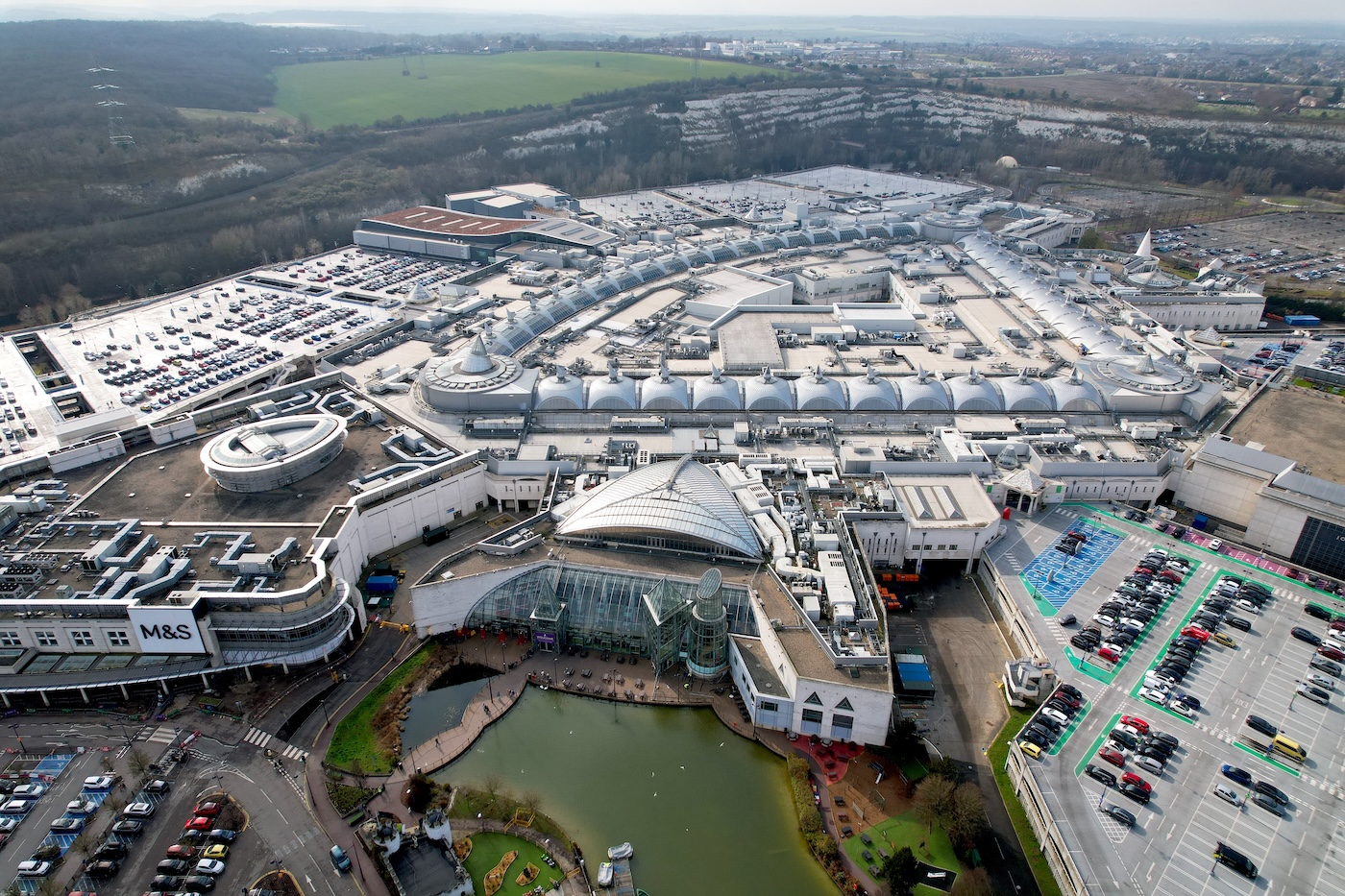
Recent data from Huq Industries highlights a complex landscape of footfall, dwell time, and weekday visitation across various types of retail centres in the UK for Week 40, 2024. This comprehensive analysis reveals significant regional variations and provides insights into consumer behaviour that are crucial for retailers and commercial real-estate companies.
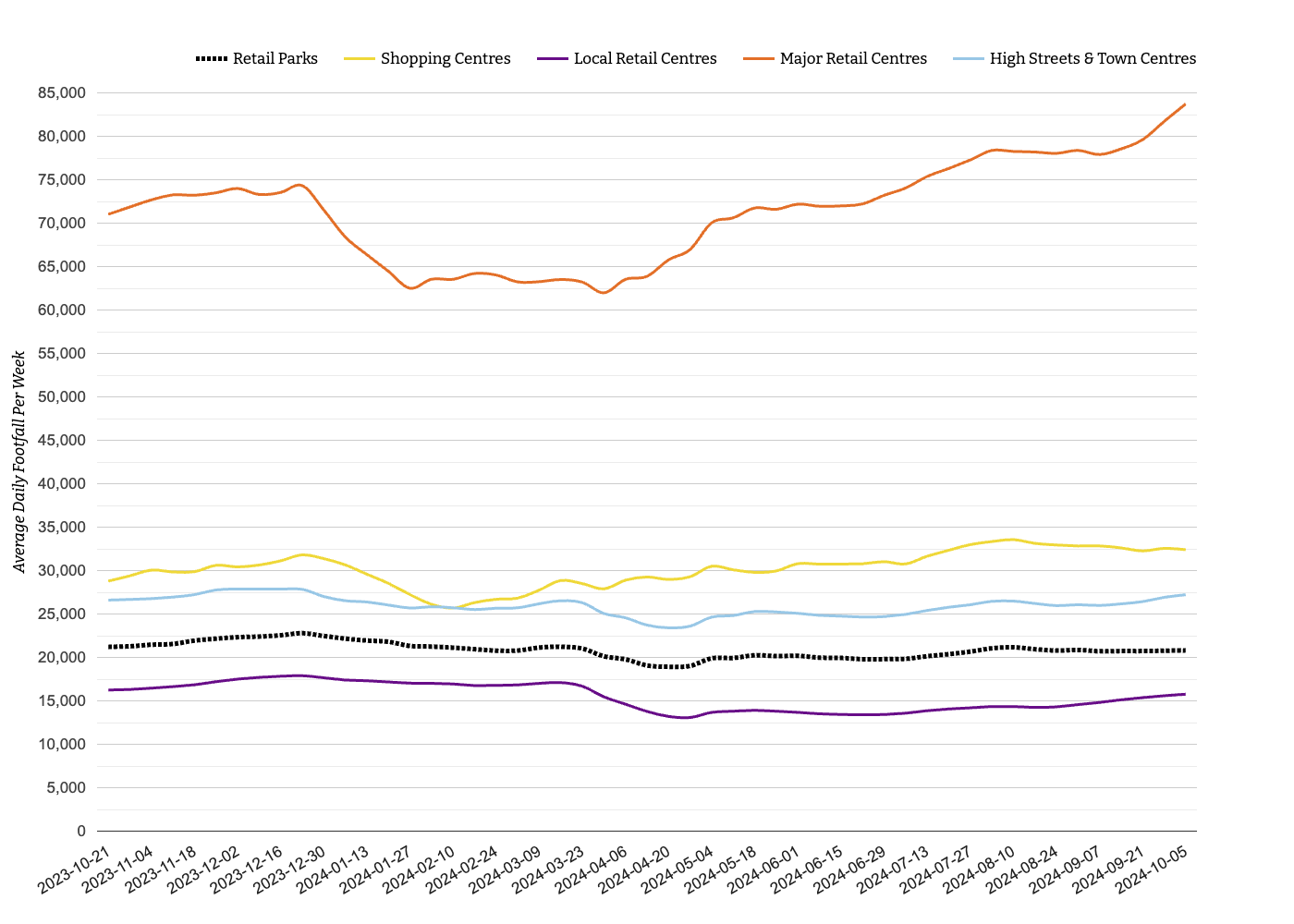
Daily Footfall by Retail Centre Type
Local Retail Centres
In local retail centres, Northern Ireland saw a strong year-on-year increase in average daily footfall while the South West experienced a decrease. The East Midlands reported a substantial increase in dwell time indicating a shift in consumer engagement (Local Retail Centres Footfall Data). The market outlook suggests continued variability in footfall across these centres.
Retail Parks
Retail parks showed a slight week-on-week footfall decrease in London whilst the South East faced a strong decline in footfall and dwell times (Retail Parks Footfall Data). The forecast anticipates fluctuations in footfall, with potential for both recovery and sustained growth.
Shopping Centres
Shopping centres in London experienced a significant increase in footfall. However, regions like the North West and Northern Ireland faced challenges, with decreases in footfall and dwell time (Shopping Centres Footfall Report). The analysis suggests ongoing growth in areas like London, while other regions may continue to struggle.
High Streets & Town Centres
High streets and town centres in London saw a year-on-year footfall increase. Conversely, the East Midlands experienced a decrease (High Streets & Town Centres Footfall Data). The market outlook is optimistic for London but cautious for areas like the East Midlands.
Major Retail Centres
Major retail centres in Northern Ireland displayed strong growth, with significant increases in both footfall and dwell time. London also saw substantial footfall increases, while the East Midlands enjoyed a boost in both footfall and dwell time (Major Retail Centres Footfall Data). The forecast is positive for regions experiencing growth, but caution is advised for areas with recent declines.
Industry News and Weather Considerations
Recent store openings and expansions, such as Dune London at Lakeside Shopping Centre and Ben Sherman in Northern Ireland, reflect confidence in the retail market. Weather conditions also play a crucial role in footfall trends, although specific regional weather data was not provided in this analysis, it is available.
Conclusion
This week’s data from Huq Industries provides valuable insights into the dynamic nature of the UK retail market. Retailers and real-estate companies must stay informed about these trends to effectively plan and strategise for the future. The varied performance across different types of retail centres and regions underscores the importance of tailored approaches to meet specific market demands.
Partner with huq
Track consumer footfall and spend dynamics across your store network using huq data and compare to your own sales data. Gain insights into crucial questions such as ‘are we out-performing the market’, ‘where are our similar locations for new store growth’, and ‘how healthy is this retail centre’.
If you are interested in basing your location insights to actual consumer behaviour then please connect with our team.
Frequently Asked Questions
Clear answers to the most common questions about movement intelligence, retail expansion, and location analytics.
Related Blogs and Insights


.svg)
Empowering strategic teams with the world's most accurate and accessible location intelligence.
Contact

.svg)