.svg)
Week 13 Weekly Wrap: Retail Trends and Location Analytics Insights
Discover a modest 2.6% rise in Major Retail Centres amid robust location analytics and footfall performance trends.

April 24, 2025
3 min read
Table of contents
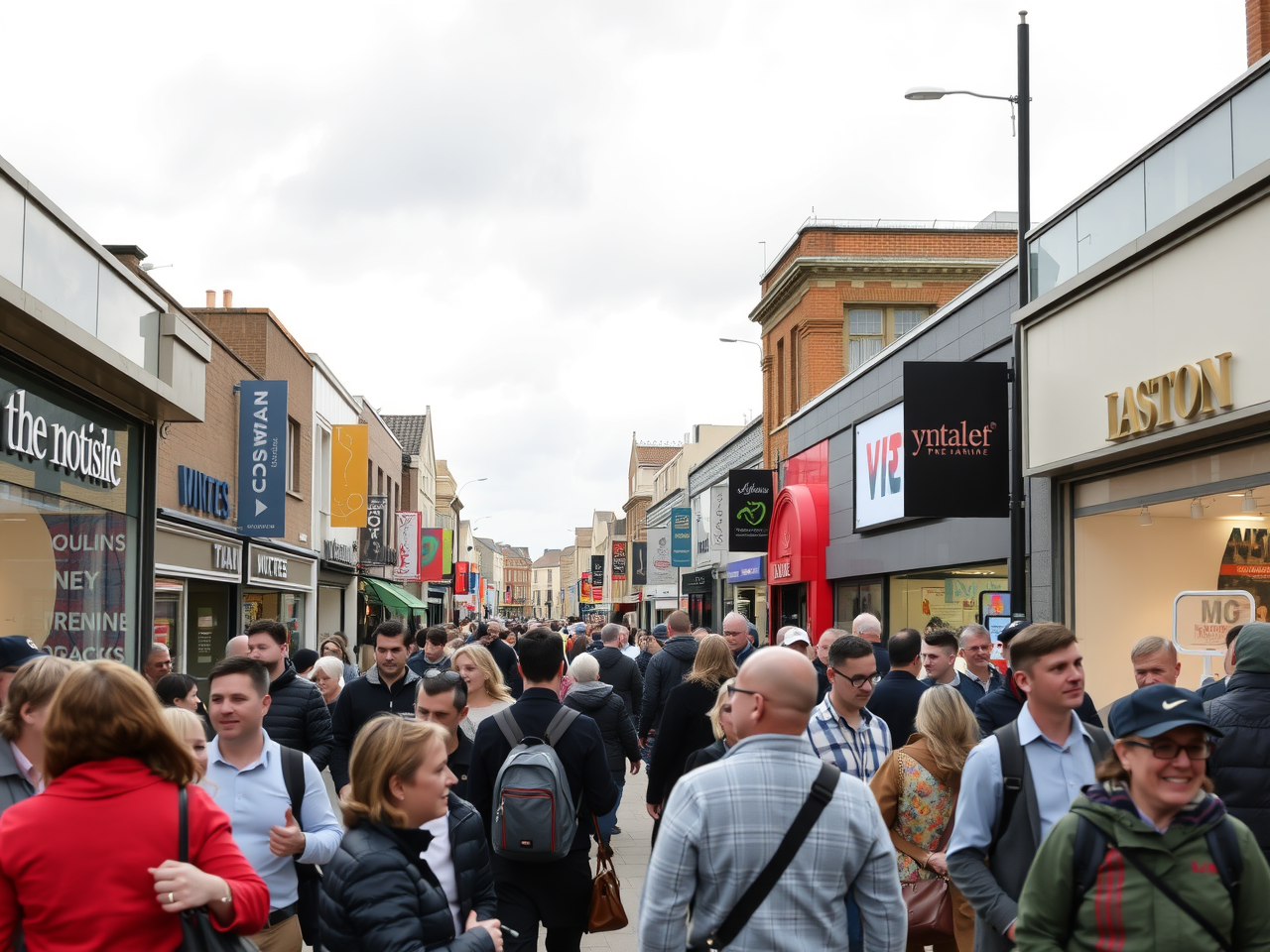
The latest weekly insights highlight significant retail trends in the UK. Emerging data shows that location analytics is central to understanding evolving consumer behaviour. Retail centres continue adapting to changing customer dynamics, and this analysis provides valuable clues for stakeholders.
Retail Parks Overview
UK Retail Parks welcomed an average of 17,100 daily visitors in Week 13, marking a 5.5% rise despite a 15.1% year-on-year decline. Dwell times increased by 9.9% to 78 minutes, signalling stronger engagement. Regional differences are notable, with parks in Wales attracting about 14,900 visitors, as detailed in the Week 13 2025 Retail Parks Performance Update.
Local Retail Centres Update
Local Retail Centres experienced a 5% increase in daily footfall with an average of 13,500 visitors, while dwell times climbed by 5.4%. The Week 12 data had shown a slight decline, making this recovery an encouraging sign. More insights can be found in the UK Local Retail Centres – Week 13 Update and the Week 12 Local Retail Centres Update.
Major Retail Centres Performance
Major Retail Centres averaged 69,800 daily visitors in Week 13, a modest improvement of 2.6%, with average visit durations rising to 115 minutes. While English centres maintained robust performance, Scottish centres saw a 7.2% dip in footfall and a decline in dwell time. For an in-depth look, view the UK Major Retail Centres – Week 13 Update.
Shopping Centres Trends
Shopping Centres recorded an 11.6% weekly increase with an average of 30,000 daily visitors, though overall numbers remain 10.5% lower than last year. Dwell times improved to 114 minutes, with a slight week-on-week dip of 0.9% rounding off the story. Further details are available in both the Week 13 Shopping Centres Performance Update and the Shopping Centres Week 12 Update.
High Streets and Town Centres Developments
High Streets and Town Centres reflected mixed performance, with Week 13 averages reaching 28,300 daily visitors and dwell times at 99 minutes. In contrast, the Week 12 figures were slightly lower with 27,600 visitors and 95 minutes average stay. Specific trends vary by region; for instance, Welsh centres saw a notable uplift, while Scottish centres exhibited distinct patterns, as outlined in the Week 13 Footfall Data Update and the Week 12 Performance Update.
Emerging Retail Trends
Recent data underscores that while footfall numbers face annual pressures, increased dwell times signal deeper consumer engagement. This trend, complemented by sharp regional variations, highlights the nuanced role of location intelligence in shaping retail strategies. Retailers are advised to consider these retail trends and the impact of evolving customer dynamics when planning upcoming strategies.
Industry Insights and Expert Commentary
Notably, enhanced dwell times across centres suggest that consumers are spending more time in-store, even if visitor numbers do not fully reflect this engagement. Retail trends remain in constant flux, and regional differences continue to influence performance metrics. The nuanced analysis of dwell times versus footfall reaffirms the need for refined operational strategies using insights from location analytics.
Insights from Leadership
"We are encouraged by the steady rise in dwell times, which indicates that shoppers are engaging more deeply with our retail environments," said Joe Capocci, Huq Industries Spokesperson. "The data, enriched by robust location analytics, offers a clear pathway for retailers to adapt and thrive in challenging market conditions." His remarks highlight the practical application of these insights across various retail formats.
Looking Ahead
The weekly trends reinforce the critical role of location analytics as retailers navigate diverse challenges in the current market. As data continues to evolve, stakeholders should remain agile, utilising location intelligence to drive marketing and operational decisions. With continued focus on these emerging trends, the future of retail centres looks set for sustained recovery and innovation.
Further analysis will be published in subsequent updates as new data emerges, ensuring that retailers and analysts have the insights needed to capitalise on evolving consumer behaviours and market opportunities.
Media: For all media and press enquiries, please contact media@huq.io
About Huq Industries
Huq Industries is the leading provider of location intelligence across the UK, Europe, and the Middle East, specialising in delivering high-quality data insights on footfall, consumer behaviour, and retail performance. By leveraging advanced analytics, Huq Industries enables retailers and analysts to understand and respond to market trends effectively, ensuring they are well-equipped to navigate the changing landscape of high street and town centre commerce.
Get the latest intelligence Benchmark update each Thursday!
Sign Up NowFrequently Asked Questions
Clear answers to the most common questions about movement intelligence, retail expansion, and location analytics.
Related Blogs and Insights


.svg)
Empowering strategic teams with the world's most accurate and accessible location intelligence.
Contact

.svg)