.svg)
Wilko’s Strategic Expansion: Analysing Footfall Trends in Uxbridge
Wilko’s Strategic Expansion: Analysing Footfall Trends in Uxbridge Wilko’s decision to open a new store in Uxbridge aligns with rising footfall trends, suggesting a promising outlook for the retailer.

January 9, 2025
2 min read
Table of contents
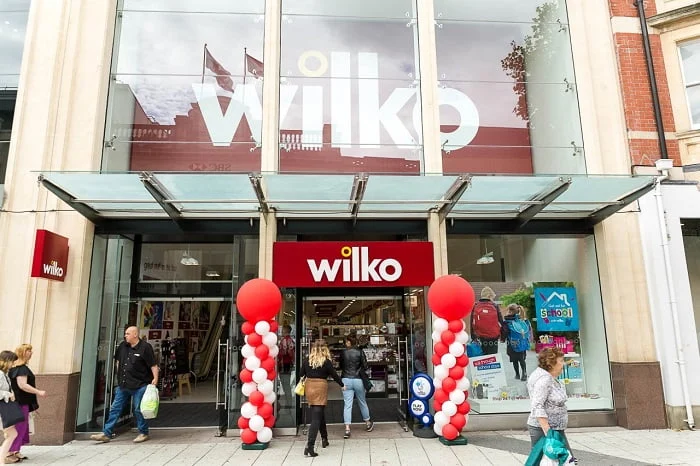
Wilko’s decision to open a new store in Uxbridge aligns with rising footfall trends, suggesting a promising outlook for the retailer.
Wilko, the renowned homeware chain, recently announced a significant expansion plan, including the opening of a new store in Uxbridge at The Pavilions Shopping Centre this November. This move comes after a tumultuous period where Wilko went into administration and closed numerous stores. The decision to reopen and expand, spearheaded by The Range’s owner, Chris Dawson, marks a bold step in Wilko’s comeback strategy.
Analysing the footfall data from Huq Industries for Uxbridge, Hillingdon, provides valuable insights into this decision. The data shows a consistent increase in footfall over the past years. In 2022, the average weekly footfall was approximately 220,000, which grew to about 250,000 in 2023, and has maintained a similar pace in 2024. This upward trend is a positive indicator for Wilko, suggesting that the location has a growing number of visitors which could translate into potential customers for the new store.
Moreover, the year-to-date and last twelve months data for 2024 further reinforce the potential success of this new outlet. With an average weekly footfall of around 290,000 and peak daily footfall reaching over 100,000, Uxbridge presents a robust market for retail operations. The consistent increase in footfall not only highlights the area’s retail growth but also aligns with Wilko’s strategic goals of reaching a broader customer base.
Given these trends, the outlook for Wilko in Uxbridge appears promising. The increasing footfall indicates a recovering and possibly thriving retail environment, which could support the new store’s success. However, it’s crucial for Wilko to capitalise on this opportunity by ensuring that their store meets the needs and preferences of the local demographic, which could include a focus on product variety, competitive pricing, and excellent customer service.
In conclusion, the decision to open a new Wilko store in Uxbridge is well-supported by the footfall data, which shows a positive trend in the area. If Wilko can effectively tap into the growing market, there is a strong potential for the store to contribute significantly to the brand’s resurgence and overall growth. Retailers and market analysts will undoubtedly keep a close eye on this development, as it could set a precedent for future expansions based on similar data-driven strategies.
Frequently Asked Questions
Clear answers to the most common questions about movement intelligence, retail expansion, and location analytics.
Related Blogs and Insights



.svg)
Empowering strategic teams with the world's most accurate and accessible location intelligence.
Contact

.svg)