.svg)
Week 9 Weekly Wrap: UK Retail Trends with Location Analytics
UK retail centres see a 5% drop in footfall with rising dwell times. Discover key location analytics and location intelligence shifts.

March 13, 2025
4 min read
Table of contents
UK retail centres see a 5% drop in footfall with rising dwell times. Discover key location analytics and location intelligence shifts.
An Overview of a Shifting Retail Landscape
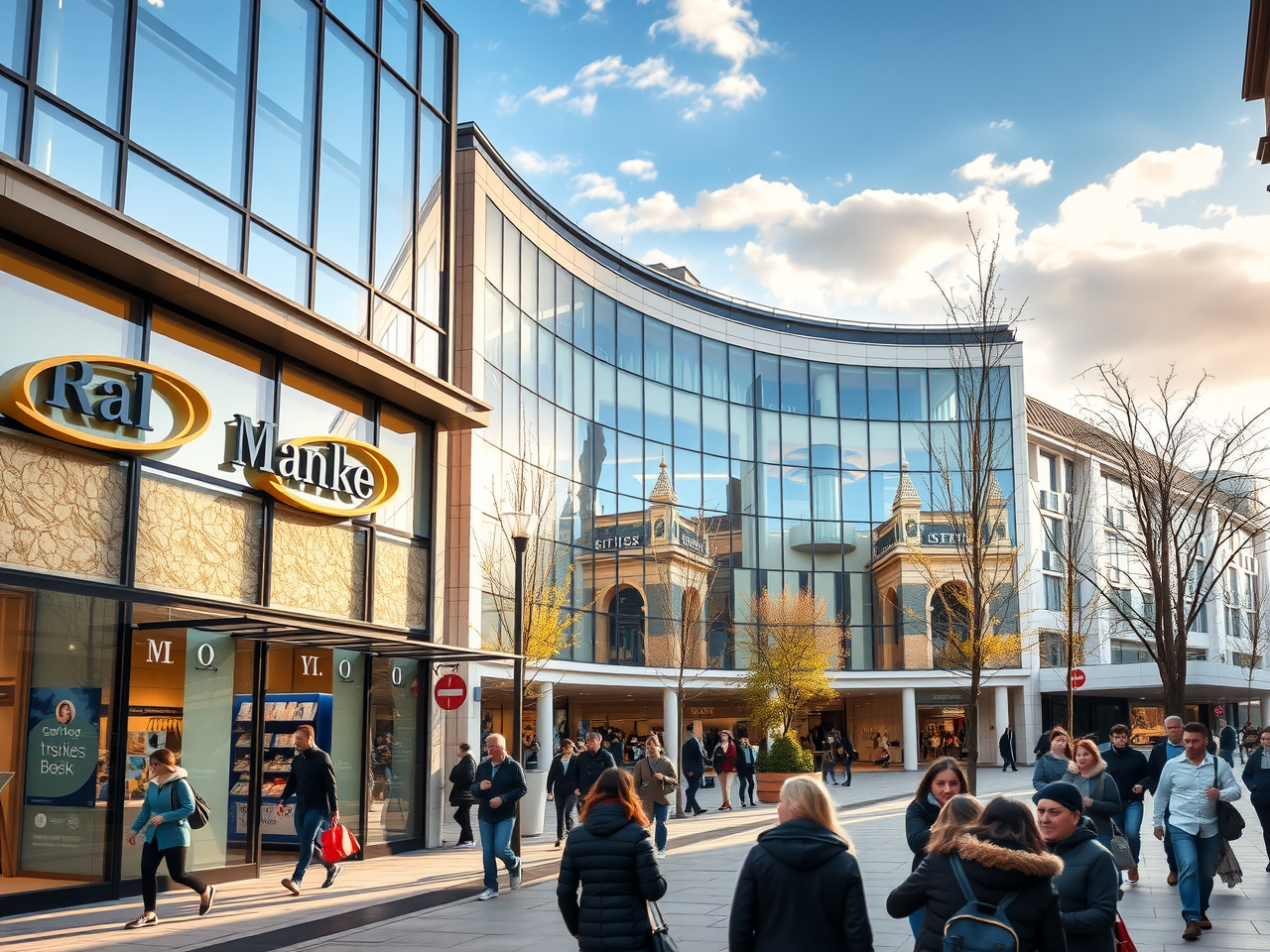
In the latest review of the UK retail scene, we see a delicate balance between lower footfall and increased consumer engagement. Recent data from retail parks, high streets, shopping centres, local retail centres, and major retail centres indicate that location analytics is at the forefront of understanding these trends. With evidence that dwell times are rising even as visitor numbers decline, change is in the air across the sector.
Retail Parks: Regional Variations and Steady Declines
Retail parks have experienced a modest drop with average daily visitors falling by 3% to 16,100. The performance is not uniform across the UK: England's retail parks averaged 16,600 visitors while Scotland saw 14,700 visitors and Wales lagged at 12,000. Despite these declines, the data offers important insights for brands using location intelligence to target marketing efforts.
High Streets & Town Centres: Reduced Footfall, Greater Engagement
Footfall at high streets and town centres has declined, yet consumer engagement appears to be on the rise. English centres have shown relatively stable performance compared to sharper drops in Welsh and Scottish areas as reported by High Streets & Town Centres. Increased dwell times have been noted, particularly in Wales, where shoppers appear to be spending more time exploring their surroundings. This suggests that while fewer people visit, those who do stay longer, underlining the power of location intelligence in understanding customer behaviour.
Shopping Centres: A Tale of Contrasting Regional Figures
Data from shopping centres reveals that the average daily footfall has declined by 5% to 26,600 visitors. English centres, recording 27,800 visitors, experienced improved engagement, with dwell times reaching 120 minutes per visit. In contrast, Scottish centres attracted 23,100 visitors with shorter dwell periods and Welsh centres only 9,400 visitors. These figures provide valuable signals for businesses looking to optimise their strategies through location analytics, especially in regions with declining numbers but rising on-site engagement.
Local Retail Centres and Their Localised Impact
Local retail centres have reported an average of 13,300 visitors daily, marking a 4.2% drop week-on-week and a 15.2% drop year-on-year according to Local Retail Centres. Despite these declines, average dwell time rose modestly to 94 minutes. Scrutiny of the numbers shows that English centres lead with 13,400 visitors, while Scottish and Welsh centres follow with 11,800 and 10,300 visitors respectively. Such regional performance data assists stakeholders in refining their operations with the help of enhanced location intelligence tools.
Major Retail Centres: Long-Term Growth Amid Short-Term Declines
A striking feature comes from major retail centres where there is evidence of long-term growth despite a 6.2% weekly decline to 69,700 daily visitors. The year-on-year trend reveals a robust 9.8% increase in footfall coupled with improved dwell times, now rising to 116 minutes overall. Scottish centres stand out with 87,500 visitors and a notable 129 minute average visit, setting a benchmark against English and Welsh centres. This juxtaposition of short-term declines and long-term growth illustrates the potential impact of refined location analytics in planning for future expansion.
The Shift in Consumer Engagement
A recurring theme in these figures is the consistent increase in dwell time across all centre types. Consumers are now spending more time on-site, an indicator that location intelligence is being used to decipher deeper customer engagement. This trend suggests that retailers are shifting focus from the quantity of visits to the quality of consumer interactions. Increased engagement might just be compensating for softer footfall, making every visit more valuable than before.
Huq Industries Comment
Joe Capocci, Huq Industries spokesperson, noted, "Our evolving understanding of location analytics is crucial as we adapt retail strategies. The increased dwell times across most centre types are a clear signal that shoppers are valuing their in-store experiences over simply passing through."
Looking Ahead: Strategic Implications for Retailers
The various trends represented by these regional data points offer a blueprint for future retail strategies. Embracing enhanced location analytics and utilising robust location intelligence systems will be key in realigning with evolving consumer behaviour. Retailers now have the opportunity to transform challenges into strategic advantages, ensuring their spaces are designed to capture consumer interest and drive deeper engagement.
Concluding Thoughts on a Dynamic Marketplace
As retail centres adapt and evolve, the focus moves from mere visitor numbers to customer engagement measured through dwell time. With tools like location analytics and location intelligence, retailers are equipped to fine-tune their strategies and meet shifting consumer demands. Emerging trends, as highlighted this week, will undoubtedly serve as a guide for businesses aiming to thrive amidst dynamic economic conditions.
This comprehensive review provides fundamental insights that will shape the next wave of retail strategy. Stakeholders are encouraged to analyse these trends closely to better understand the changing dynamics of their local markets.
Media: For all media and press enquiries, please contact media@huq.io
About Huq Industries
Huq Industries is the leading provider of location intelligence across the UK, Europe, and the Middle East, specialising in delivering high-quality data insights on footfall, consumer behaviour, and retail performance. By leveraging advanced analytics, Huq Industries enables retailers and analysts to understand and respond to market trends effectively, ensuring they are well-equipped to navigate the changing landscape of high street and town centre commerce.
Get the latest intelligence Benchmark update each Thursday!
Frequently Asked Questions
Clear answers to the most common questions about movement intelligence, retail expansion, and location analytics.
Related Blogs and Insights


.svg)
Empowering strategic teams with the world's most accurate and accessible location intelligence.
Contact

.svg)