.svg)
Week 6, 2025: Shopping Centres Show Resilient Growth with Location Analytics
UK Shopping Centres’ dwell time rose by 17.1%, underscoring robust Location Analytics and emerging Location Intelligence trends.

February 19, 2025
4 min read
Table of contents
Introduction
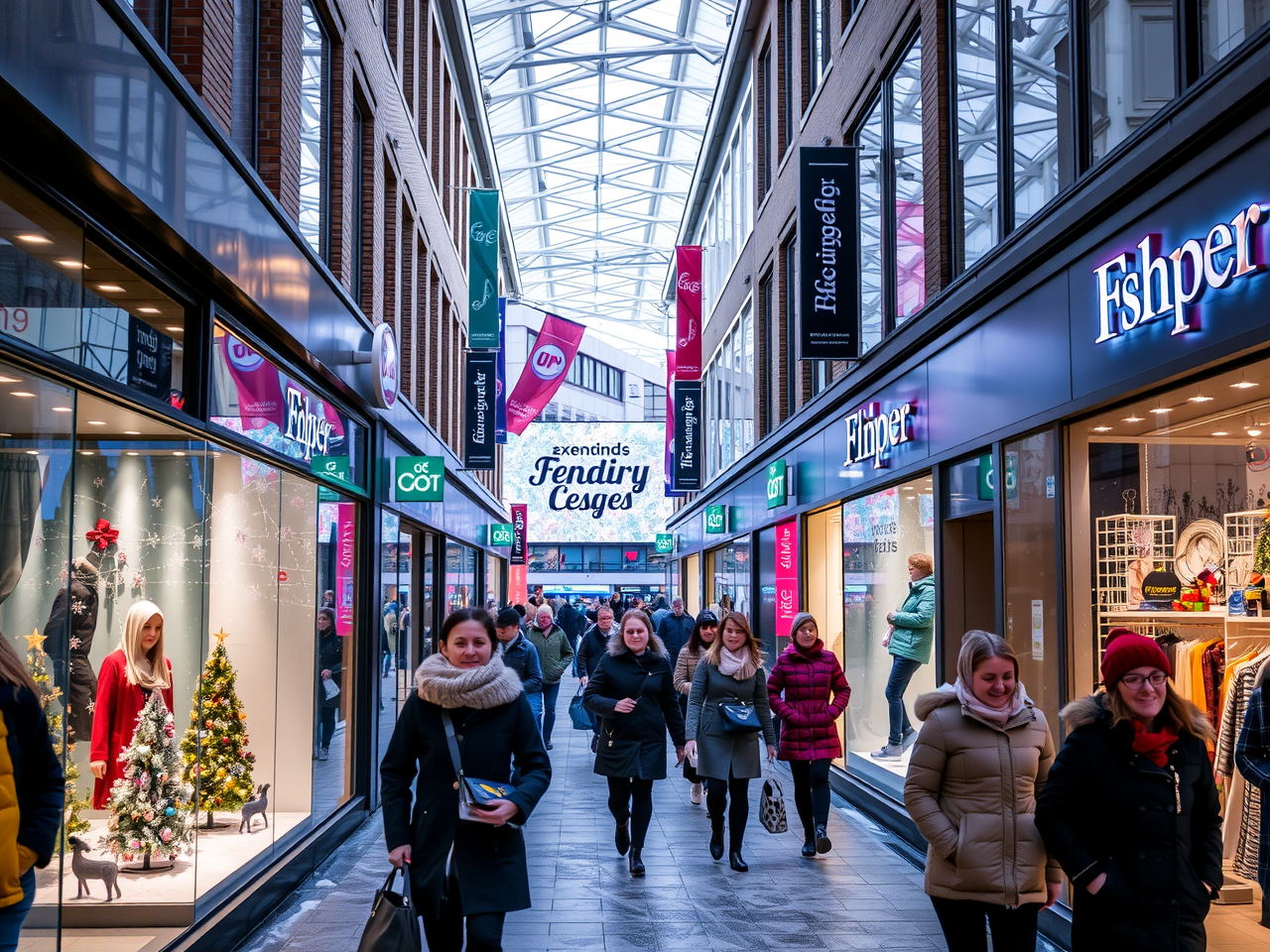
UK shopping centres recorded an average daily footfall of 27,700 during the most recent full week ending 16 February 2025. This represents a modest week‐to‐week increase of 1.1%, although figures remain lower than the same week last year by 5.8%. The overall performance suggests a short‐term recovery following recent fluctuations in consumer engagement. Utilising advanced Location Analytics, these insights offer vital clarity on consumer engagement and retail footfall trends.
Regional Analysis
Breaking down the data regionally reveals some nuanced differences across the UK. England leads with an average of 29,800 visitors per day and a week‐to‐week rise of 2.5%, even though its annual performance is down by 3% compared to the previous year. In contrast, Scotland's shopping centres attracted an average of 21,200 daily visitors, with both week-on-week and year-on-year comparisons showing a decline. Wales reported a daily average of 6,800 visitors, registering slight softness this week and a notable drop over the same period last year. Meanwhile, Northern Ireland recorded approximately 8,100 visitors per day, although its figures have softened markedly in both the short-term and longer timeframe. These variations underscore significant regional performance differences in the retail sector.
Local Insights
Locally, the performance within specific retail locations reflects these mixed trends. Centres in Yorkshire and the Humber, for instance, have witnessed some downturns in select venues. One example is the performance of locations like White Rose Centre in Leeds and Castleford Junction 32 Outlet in Wakefield, which experienced declines compared to the previous week. Despite these local challenges, an interesting observation emerges when considering dwell time. Across the board, shoppers have increased the average duration of their visits to 123 minutes—registering a 17.1% increase from the previous week and a sharp rise over the same period last year—highlighting a remarkable dwell time increase even when retail footfall is variable.
Industry News
Recent retail industry news further contextualises these results. For example, a new tenant opening at Birmingham's Bullring shopping centre was highlighted by Yahoo News UK, marking positive developments amid otherwise mixed retail performance. Similarly, another well-known fashion brand is reportedly preparing to launch at The Fort shopping centre, as documented by MSN. On the other hand, the sector is also facing challenges from potential store closures. An article from the Daily Mail has sparked concerns over the future of several long‑established retail outlets, while The Sun reports that a much‑loved shop within Union Sq is set to close within hours. Additionally, a major retailer at Meadowhall is currently holding a significant closing sale ahead of a move, as covered by MSN. These stories illustrate how the sector continues to adapt, with new retail openings paired with the reorganisation of existing retail portfolios.
Economic and Weather Impacts
Economic news from within the UK also paints an evolving picture of consumer spending. According to FashionUnited UK, January storms contributed to a boost in online and non‑essential spending. In contrast, analysis by Retail Week raises questions on whether rising wages will translate into higher consumer spending. Moreover, Investing.com UK reported a softer performance in retail sales, while EDP24 pointed to growth in January sales—a testament to the sector's resilience amid a complex economic picture. These divergent economic narratives underscore the ongoing adjustment within the retail space, where consumer engagement is intricately linked to broader market trends. Weather conditions during the period may have also played a contributory role. Reports from The Mirror detailed a deep freeze last week with temperatures dropping to -3°C ahead of snowfall, while Metro.co.uk issued warnings of potential freezing rain. Such conditions may have encouraged shoppers to extend their stay at indoor retail venues, potentially influencing the marked increase in dwell time.
Industry Perspective
Joe Capocci, Huq Industries spokesperson, stated: “The latest data, while reflecting a modest uptick in visitor numbers, very clearly illustrates the resilience and adaptability of shoppers under varying conditions. The notable increase in dwell time is a strong indicator that shoppers are making the most of their visits, exploring more of what our centres have to offer even when faced with external challenges.”
Conclusion
In conclusion, while overall footfall figures signal modest progress, the diversity in regional performance and the ongoing evolution of the retail tenant landscape highlight the complex nature of today's market dynamics. Increased dwell times coupled with fluctuating visitor numbers imply that shoppers are adapting to both economic uncertainties and variable weather conditions. As retailers continue to navigate these dynamics amid a backdrop of mixed economic signals and market redistributions, ongoing analysis—anchored by reliable Location Analytics and emerging Location Intelligence—is instrumental in identifying emerging trends and guiding future retail strategies.
About Huq Industries
Huq Industries is the leading provider of location intelligence across the UK, Europe, and the Middle East, specialising in high-quality data insights on footfall, consumer behaviour, and retail performance. Traditional analytics show how stores are performing, but huq goes further—uncovering why. By leveraging advanced analytics, Huq Industries helps retailers and analysts understand the real drivers of success, predict future trends, and make data-driven decisions to optimise store performance in an evolving high street and town centre landscape.
Get the latest intelligence for your locations
Visit StoreFrequently Asked Questions
Clear answers to the most common questions about movement intelligence, retail expansion, and location analytics.
Related Blogs and Insights


.svg)
Empowering strategic teams with the world's most accurate and accessible location intelligence.
Contact

.svg)