.svg)
Week 40 Weekly Wrap: A Deep Dive into UK Retail Centre Performance with Location Analytics
Explore the week’s retail trends with detailed location analytics and insights, including a 4.2% annual rise in footfall at shopping centres.

October 23, 2025
4 min read
Table of contents
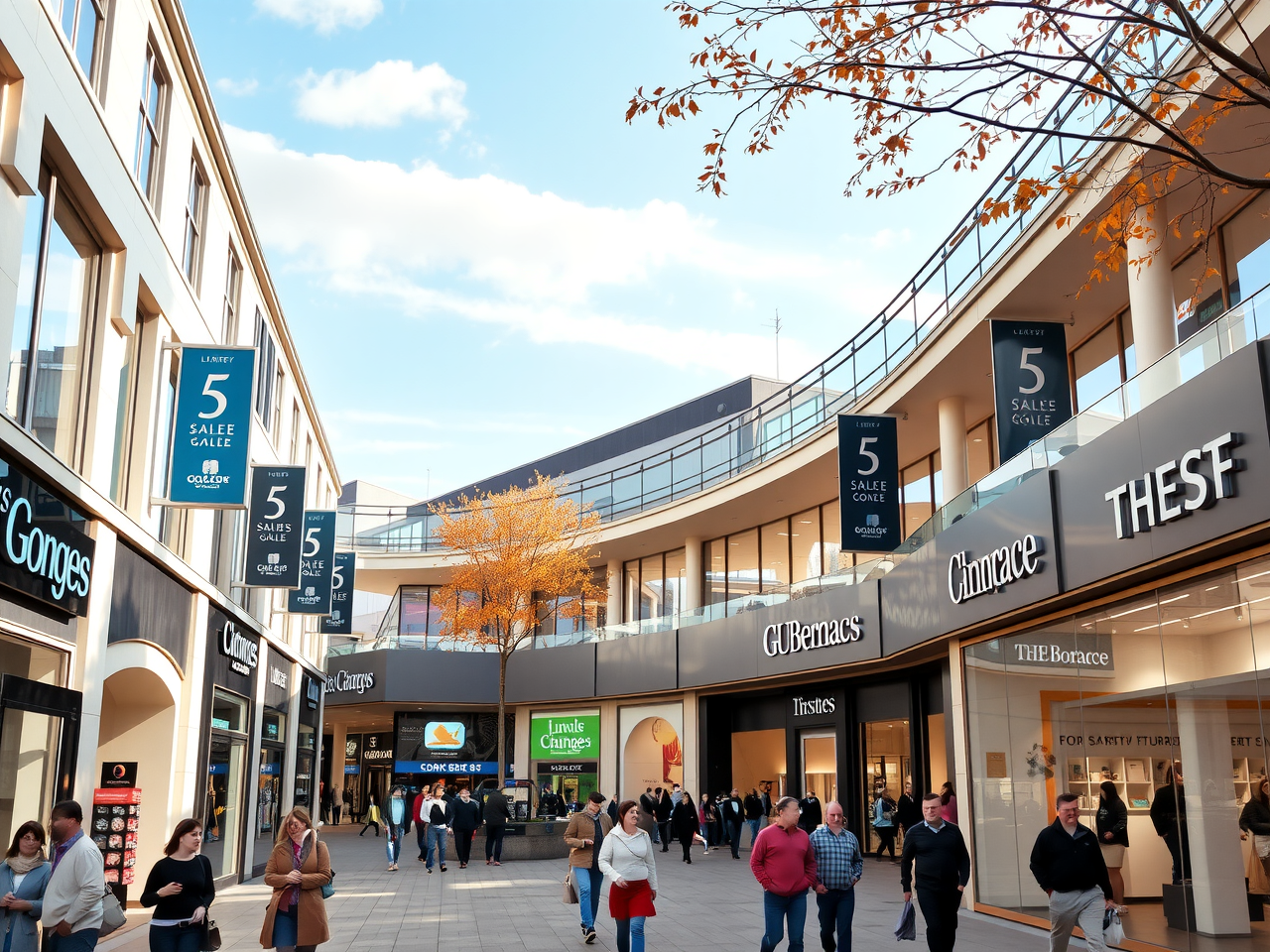
The latest UK retail centre performance data has revealed intriguing trends across various formats. Location analytics continues to offer invaluable location intelligence insights into consumer behaviour and engagement patterns. This weekly wrap combines detailed analyses and regional nuances to help retail professionals adapt to an ever-evolving landscape.
Shopping Centres Performance
The shopping centre segment experienced mixed outcomes over the week. One update, the Week 39 Weekly Wrap: UK Retail Trends Through Location Analytics, noted a modest rise in both footfall and attendee frequency. In England, centres recorded approximately 38,400 daily visitors with a 7.1% week‑on‑week boost, while visit durations compressed slightly to about 104 minutes.
A subsequent analysis, UK Shopping Centres – Week 40 (2025) Footfall Retail Update, showed contrasting statistics with a 4.5% weekly decline and a year‑on‑year drop of 2.2%. Such variations underline the significance of granular regional data and emphasise the need to monitor consumer engagement carefully with each passing week.
Retail Parks and High Streets
UK retail parks have exhibited subtle shifts despite a slight weekly dip. The UK Retail Parks – Week 40, 2025 Performance Update detailed that retail parks averaged about 20,700 daily visitors, with England showing marginally higher numbers. Secondary indicators such as footfall trends, dwell times, and regional disparities are critical for understanding market dynamics for retail parks.
High streets and town centres remain vibrant with consumer activity. The Week 40, 2025 High Streets & Town Centres Footfall Report highlighted a 4.8% weekly rise, reaching an average of 35,600 visitors per day. The rise in average dwell time to 107 minutes, particularly in Wales where visitors spent up to 113 minutes, reflects strong consumer engagement and a resilient high-street culture that bolsters secondary trends such as footfall and dwell time.
Major and Local Retail Centres
Major retail centres continue to display robust performance. Data from the Week 40 2025 Major Retail Centres: A Location Analytics Performance Update reported a 5.3% weekly upturn with an average of 95,300 daily visitors. Although there was a minor dip in dwell time, falling 3.1% to 124 minutes, the 15.1% annual boost in footfall points to a positive long-term trend in consumer behaviour.
Local retail centres also reveal encouraging signs of recovery and growth. The UK Local Retail Centres – Week 40 Performance Update indicated a 4.4% weekly increase and a 5.2% annual development in footfall. Regional spikes such as Wales' impressive weekly boost of 12.9%, alongside steady numbers in England and Scotland, underscore the importance of location intelligence in week-by-week retail planning.
Regional Variations at a Glance
Subtle regional nuances have emerged from these reports. While shopping centres in Scotland outperformed English figures in certain comparisons, some Welsh centres recorded shorter average dwell times, with reports indicating periods as low as 52 minutes. These secondary observations, alongside metrics such as footfall and dwell time variations, highlight the evolving nature of consumer behaviour impacted by local factors.
Expert Insights
Joe Capocci, Huq Industries Spokesperson, remarked, "The mixed week-on-week trends across retail centres underscore the need for a sophisticated approach to location intelligence. Retailers must focus on precise data to adapt their strategies and optimise customer engagement." His comment encapsulates the dual importance of short-term adjustments and long-term planning amid shifting consumer dynamics.
Looking Forward
Retail professionals should heed the nuanced shifts in metrics presented by location analytics and secondary trends like footfall, dwell times, and regional performance. The emerging patterns suggest that markets are responding variably, and even small percentage changes can forecast broader shifts in consumer behaviour. Navigating these trends with agility and insight may prove vital in ensuring retail resilience moving forward.
Concluding Thoughts
The comprehensive data this week demonstrates that UK retail centres are experiencing a blend of rising and falling trends in engagement. The thorough reports from diverse retail formats and regions emphasise that location analytics is indispensable for crafting responsive retail strategies. With insights into primary measures such as footfall and dwell times, retailers are empowered to make informed decisions that reflect both short-term volatility and long-term market strength.
Media: For all media and press enquiries, please contact media@huq.io
About Huq Industries
Huq Industries is the leading provider of location intelligence across the UK, Europe, and the Middle East, specialising in delivering high-quality data insights on footfall, consumer behaviour, and retail performance. By leveraging advanced analytics, Huq Industries enables retailers and analysts to understand and respond to market trends effectively, ensuring they are well-equipped to navigate the changing landscape of high street and town centre commerce.
Get the latest intelligence Benchmark update each Thursday!
Frequently Asked Questions
Clear answers to the most common questions about movement intelligence, retail expansion, and location analytics.
Related Blogs and Insights


.svg)
Empowering strategic teams with the world's most accurate and accessible location intelligence.
Contact

.svg)