.svg)
Week 15 Weekly Wrap: Leveraging Location Analytics for UK Retail Trends
Explore UK retail performance with location analytics insights as a 2.6% uplift in footfall shows strong consumer engagement.

May 1, 2025
3 min read
Table of contents
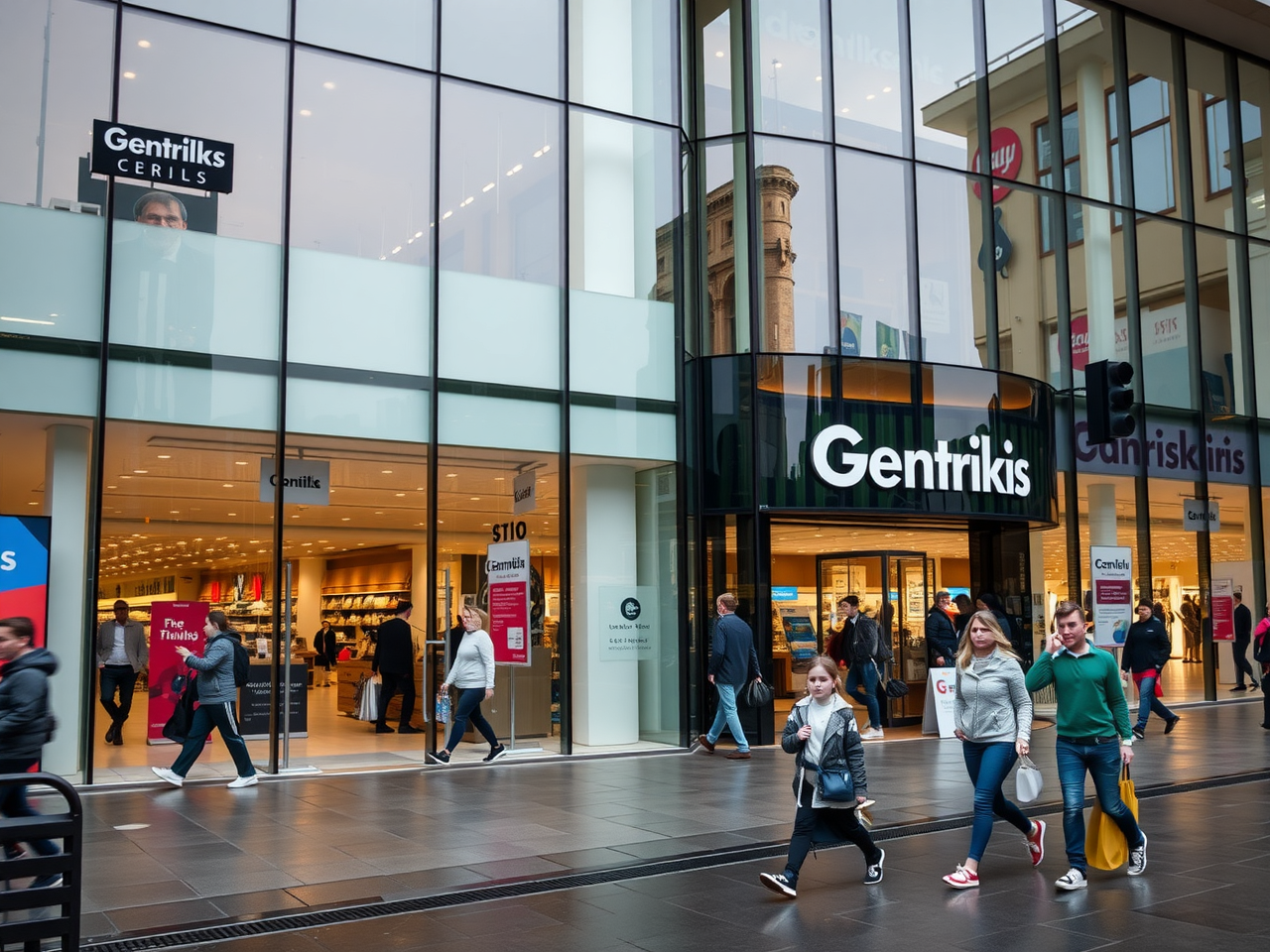
UK retail outlets have been experiencing dynamic shifts this week, and the latest reports demonstrate the power of location analytics in providing a detailed view of evolving consumer behaviours. The data presented on major retail centres, shopping centres, retail parks, high streets, and local retail centres shows that not only is footfall a key measure but that dwell times are gaining importance in understanding customer engagement. This comprehensive outlook underscores that even modest changes can yield significant insights for brands and retailers.
Major Retail Centres Remain Resilient
Major retail centres continue to be the stalwarts of UK retail performance. The Week 13 report highlighted an average daily footfall of 69,800 with shoppers spending 115 minutes per visit as detailed in the Week 13 2025 Major Retail Centres – Leveraging location analytics article. Regional variations, such as sharper declines in Scotland and rebounding numbers in Wales, emphasise that each market has distinct trends, making location intelligence indispensable for effective decision-making.
Shopping Centres Witness Varied Trends
Shopping centres are experiencing mixed performance across regions and weeks. An earlier update recorded an impressive 11.6% weekly increase with centres receiving around 30,000 visitors daily, while the Week 15 update showed a modest decline in overall visitor numbers. The comparison between England’s stable figures at approximately 34,400 visitors and lower counts in Scotland and Wales clearly indicates that retail footfall is highly variable, reinforcing the importance of location analytics and regional trend assessment.
Retail Parks and Their Evolving Narrative
Retail parks are evolving in a multifaceted manner. Week 13 data reported 17,100 daily visitors—a 5.5% weekly improvement—but these figures still fell 15.1% on a year‐on‐year basis, as described in the Week 13 2025 Retail Parks Performance Update: Harnessing Location Analytics. Week 15 figures indicate a slight decline to 18,600 visitors overall, although engagement remains positive in regions with increased dwell times. Such trends underline the need for detailed footfall analysis and strategic adjustments tailored on location intelligence insights.
Distinct Trends on High Streets and Town Centres
High streets and town centres continue to display mixed trends that are worth watching. Reports indicate a daily average of 28,300 visitors with a 2.8% weekly uplift and a dwell time of 99 minutes, as noted in the Week 13 2025 High Streets & Town Centres: Footfall Data Update article. Variations are noted with Welsh centres showing a significant 10% increase while Scottish centres are facing sharper declines, thereby requiring refined location analytics to fully harness regional insights.
Adapting Strategies in Local Retail Centres
Local retail centres have also adopted innovative measures in response to challenging conditions. Week 13 data shows an average of 13,500 daily visitors—a 5% weekly rise despite a year‐on‐year decrease of 6.6%—which confirms that consumers are spending longer times in these centres, with dwell times increasing by 5.4%. This discrepancy between visitor numbers and engagement provides a unique case study in using location intelligence to convert lower footfall into quality interactions.
Industry Perspective and Forward Look
Joe Capocci, Huq Industries Spokesperson, commented that "the subtle shifts in dwell time and regional footfall numbers reinforce how critical location analytics are for tailoring effective retail strategies." His statement reflects the industry’s confidence in leveraging precise data to manage both quantity and quality metrics efficiently. The focus on engaging consumer experiences underlines a broader trend where even small percentage changes in footfall can translate into meaningful actions for retailers.
Conclusion: Navigating Future Trends with Data
In summary, weekly data shows that while certain retail segments confront challenges, overall trends indicate that consumers are engaging more deeply with their shopping environments. With a modest 2.6% increase in footfall observed in some areas, the insights provided by location analytics and location intelligence are proving essential. As market variations continue to develop, businesses must rely on detailed analytics to inform adaptable and effective retail strategies for future growth.
Media: For all media and press enquiries, please contact media@huq.io
About Huq Industries
Huq Industries is the leading provider of location intelligence across the UK, Europe, and the Middle East, specialising in delivering high-quality data insights on footfall, consumer behaviour, and retail performance. By leveraging advanced analytics, Huq Industries enables retailers and analysts to understand and respond to market trends effectively, ensuring they are well-equipped to navigate the changing landscape of high street and town centre commerce.
Get the latest intelligence Benchmark update each Thursday!
Sign Up NowFrequently Asked Questions
Clear answers to the most common questions about movement intelligence, retail expansion, and location analytics.
Related Blogs and Insights


.svg)
Empowering strategic teams with the world's most accurate and accessible location intelligence.
Contact

.svg)