.svg)
Shopping Centres Footfall Report Week 51: London Rises, NI Declines
Recent footfall data from Huq Industries reveals nuanced trends in footfall, dwell time, and visitation patterns across UK shopping centres, highlighting regional variations and the impact of economic factors on consumer

January 9, 2025
2 min read
Table of contents
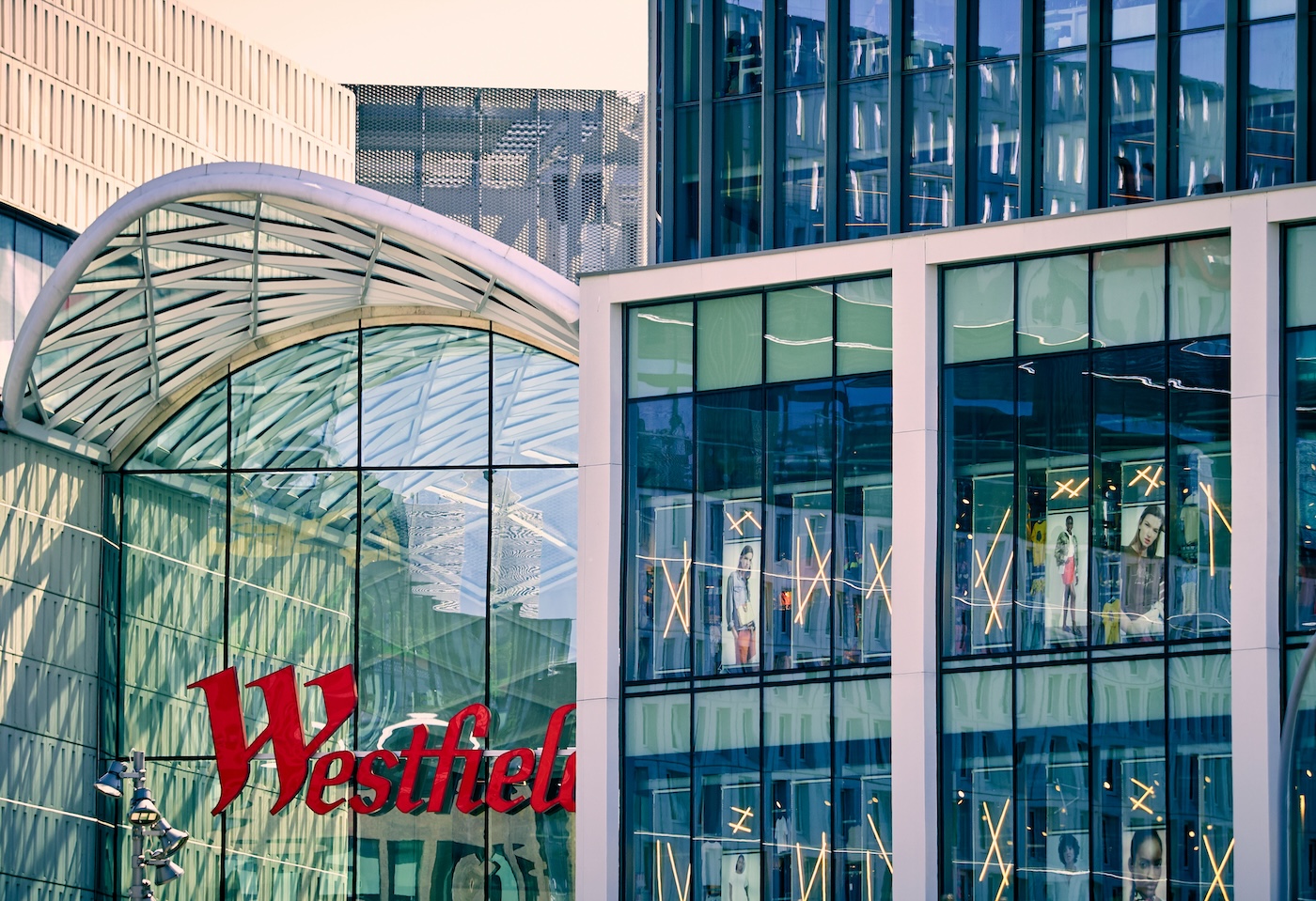
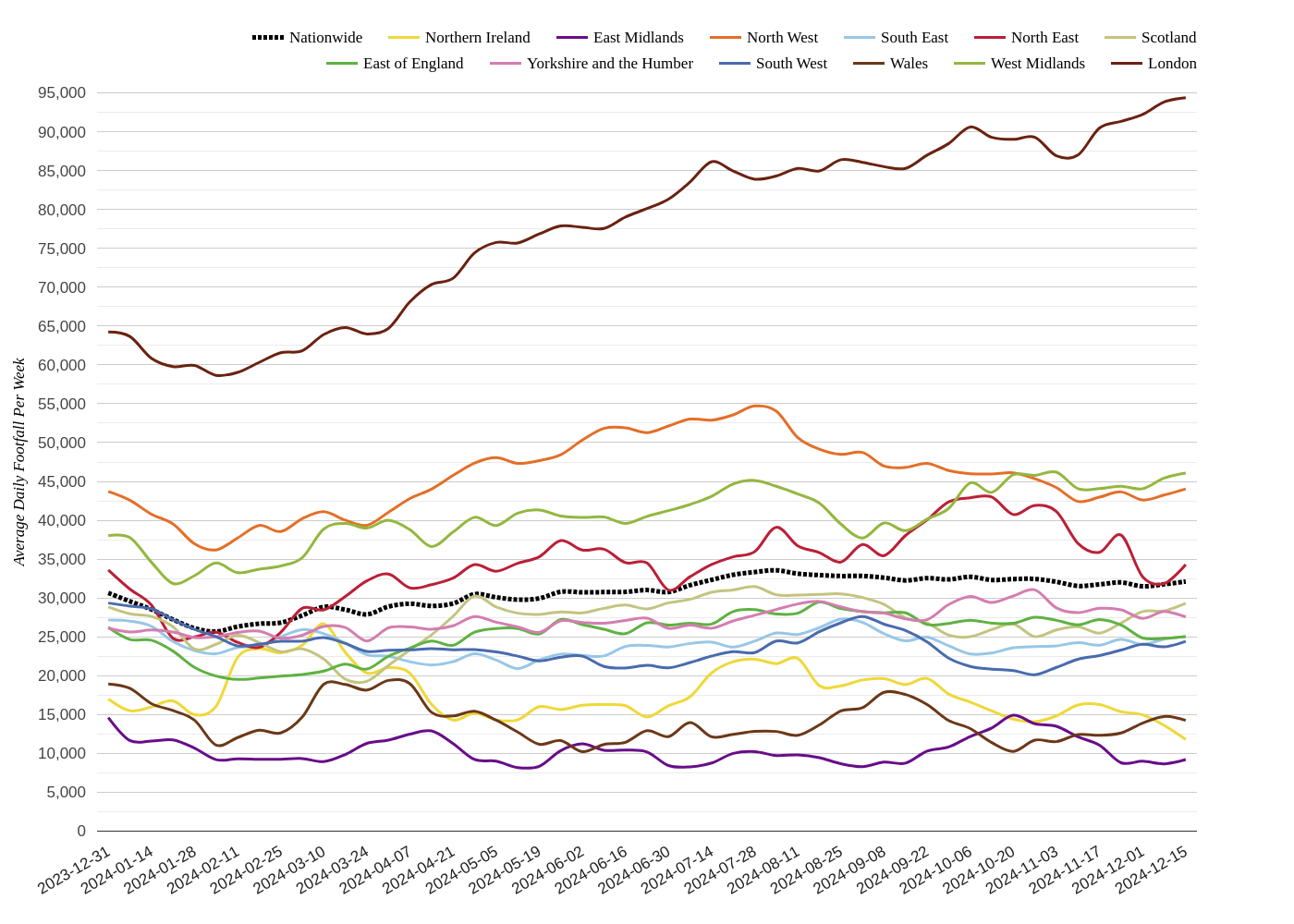
Recent footfall data from Huq Industries reveals nuanced trends in footfall, dwell time, and visitation patterns across UK shopping centres, highlighting regional variations and the impact of economic factors on consumer behaviour. The data, covering over 2,700 retail centres, shows a mixed picture with some regions experiencing growth while others face declines. For instance, London has seen a significant increase in average daily footfall year on year, reflecting a robust recovery in consumer confidence and spending in the capital. Conversely, Northern Ireland has witnessed a sharp decline in footfall, indicating regional economic challenges. Dwell times, which indicate the duration visitors spend in shopping centres, have also varied, with the South East showing a notable increase, suggesting a more engaging retail environment or improved consumer satisfaction. The data also points to shifts in the patterns of visitation across different days of the week, with some regions seeing more pronounced changes, possibly influenced by local events or promotions. This comprehensive dataset not only aids retailers and real estate companies in strategic planning but also provides insights into the evolving dynamics of consumer behaviour in the UK’s retail landscape.
Shopping Centres Daily Footfall
Market Outlook
Looking ahead, the direction of the latest footfall data and historical trends from the same period last year suggest that the next four weeks could see continued growth in regions like London, while areas like Northern Ireland may not yet rebound. This forecast is based on the current economic indicators and past performance, providing a valuable tool for businesses to anticipate changes in consumer behaviour and adjust their strategies accordingly.
Partner with huq
Track consumer footfall and spend dynamics across your store network using huq data and compare to your own sales data. Gain insights into crucial questions such as ‘are we out-performing the market’, ‘where are our similar locations for new store growth’, and ‘how healthy is this retail centre’.
If you are interested in basing your location insights to actual consumer behaviour then please connect with our team.
Frequently Asked Questions
Clear answers to the most common questions about movement intelligence, retail expansion, and location analytics.
Related Blogs and Insights


.svg)
Empowering strategic teams with the world's most accurate and accessible location intelligence.
Contact

.svg)