.svg)
Sainsbury’s Opens First Airport Store: A New Footfall Opportunity
Sainsbury’s Opens First Airport Store: A New Footfall Opportunity Sainsbury’s has opened its first store in an airport location at Edinburgh Airport.

January 9, 2025
1 min read
Table of contents
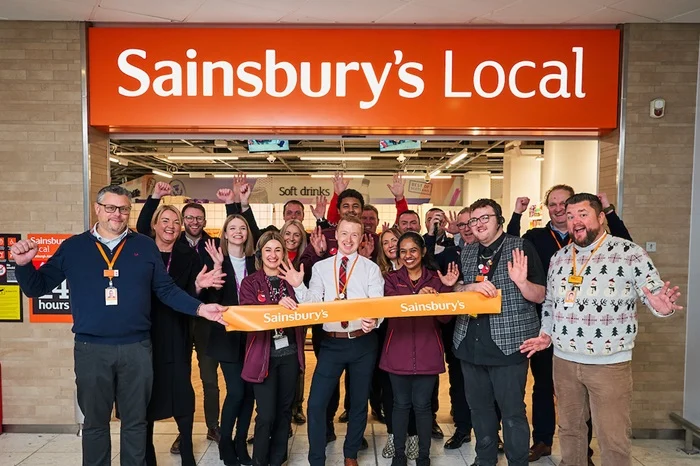
Sainsbury’s has opened its first store in an airport location at Edinburgh Airport. Located before security and operating 24/7, the Sainsbury’s Local aims to serve passengers from both arrivals and departures, offering a mix of convenience essentials, fresh produce, and locally sourced Scottish products.
The move into airports is significant for footfall patterns:
- Consistent High Traffic: Airports see steady, predictable footfall from passengers, airport staff, and visitors year-round.
- Increased Dwell Time: Travelers often spend extended periods before flights, increasing opportunities for purchases.
- Convenience Demand: The 24/7 model caters to the needs of travelers at all hours, from early-morning flights to late-night arrivals.
This venture mirrors Sainsbury’s success in train station hubs, where their convenience stores have driven strong performance by tapping into commuter and traveler footfall.
What This Means for Retail and Real Estate
The Edinburgh Airport store sets a new precedent for supermarket chains exploring high-traffic, non-traditional retail locations. For landlords and investors, this highlights:
- New Revenue Opportunities: Airport retail spaces can capitalise on guaranteed footfall.
- Diversification of Locations: Supermarkets like Sainsbury’s can expand beyond city centres and residential areas.
- Footfall Amplification: A trusted brand like Sainsbury’s can attract passengers who might otherwise overlook airport retail, boosting sales across nearby shops.
As the retail landscape evolves, innovative moves like this one demonstrate the power of footfall data in identifying untapped opportunities.
Frequently Asked Questions
Clear answers to the most common questions about movement intelligence, retail expansion, and location analytics.
Related Blogs and Insights


.svg)
Empowering strategic teams with the world's most accurate and accessible location intelligence.
Contact

.svg)