.svg)
Retail Parks Footfall Report, Week 45 2024: Battery Retail Park in Birmingham Up
Huq Industries’ latest footfall report reveals nuanced trends in retail park visitation across the UK, highlighting regional variations in footfall, dwell time, and weekday visitation for week 45, 2024.

January 9, 2025
2 min read
Table of contents
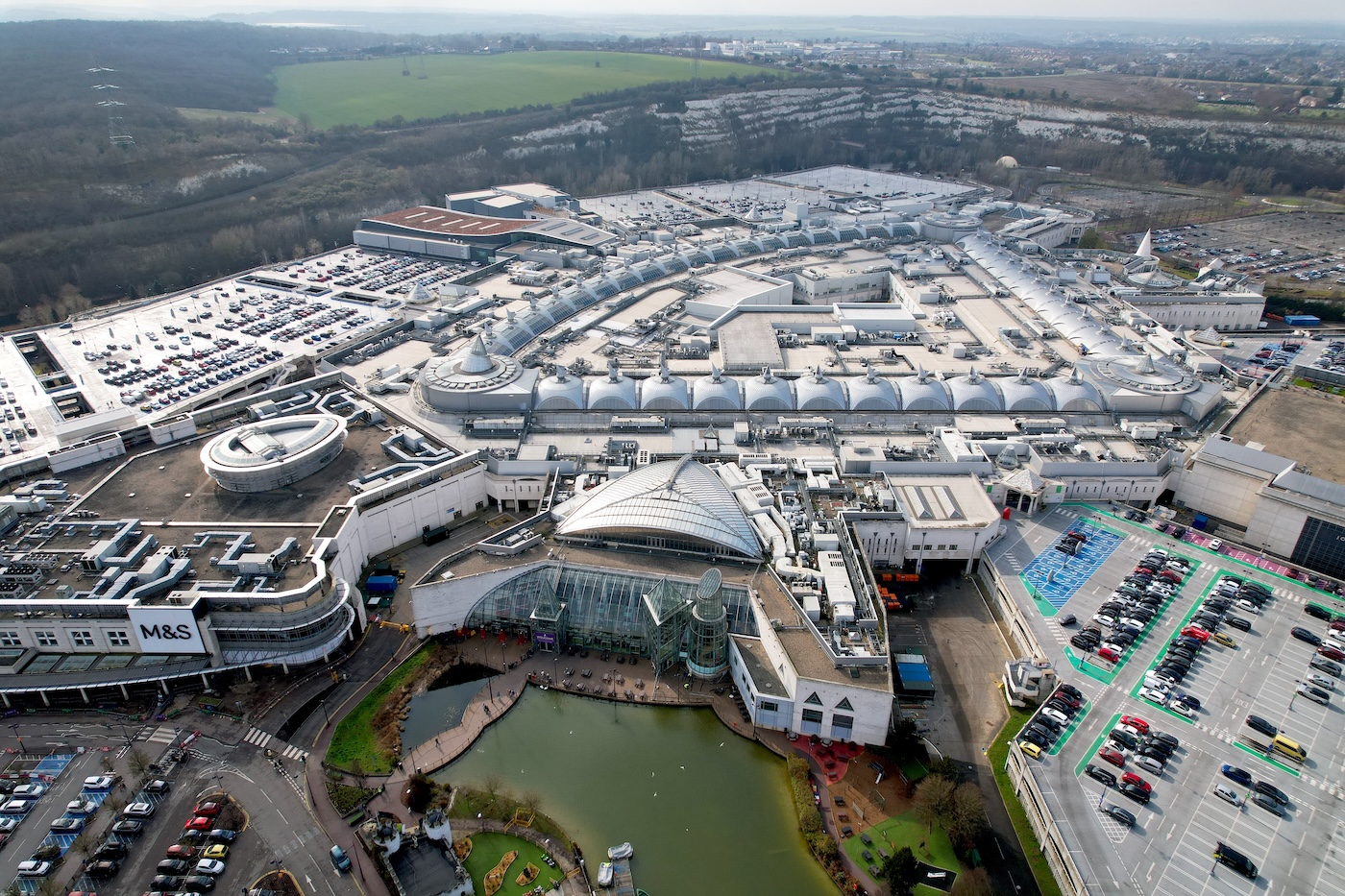
Huq Industries’ latest footfall report reveals nuanced trends in retail park visitation across the UK, highlighting regional variations in footfall, dwell time, and weekday visitation for week 45, 2024. The data, encompassing over 2,700 retail centres, shows a mixed landscape of consumer behaviour in different regions.
Retail Parks Daily Footfall
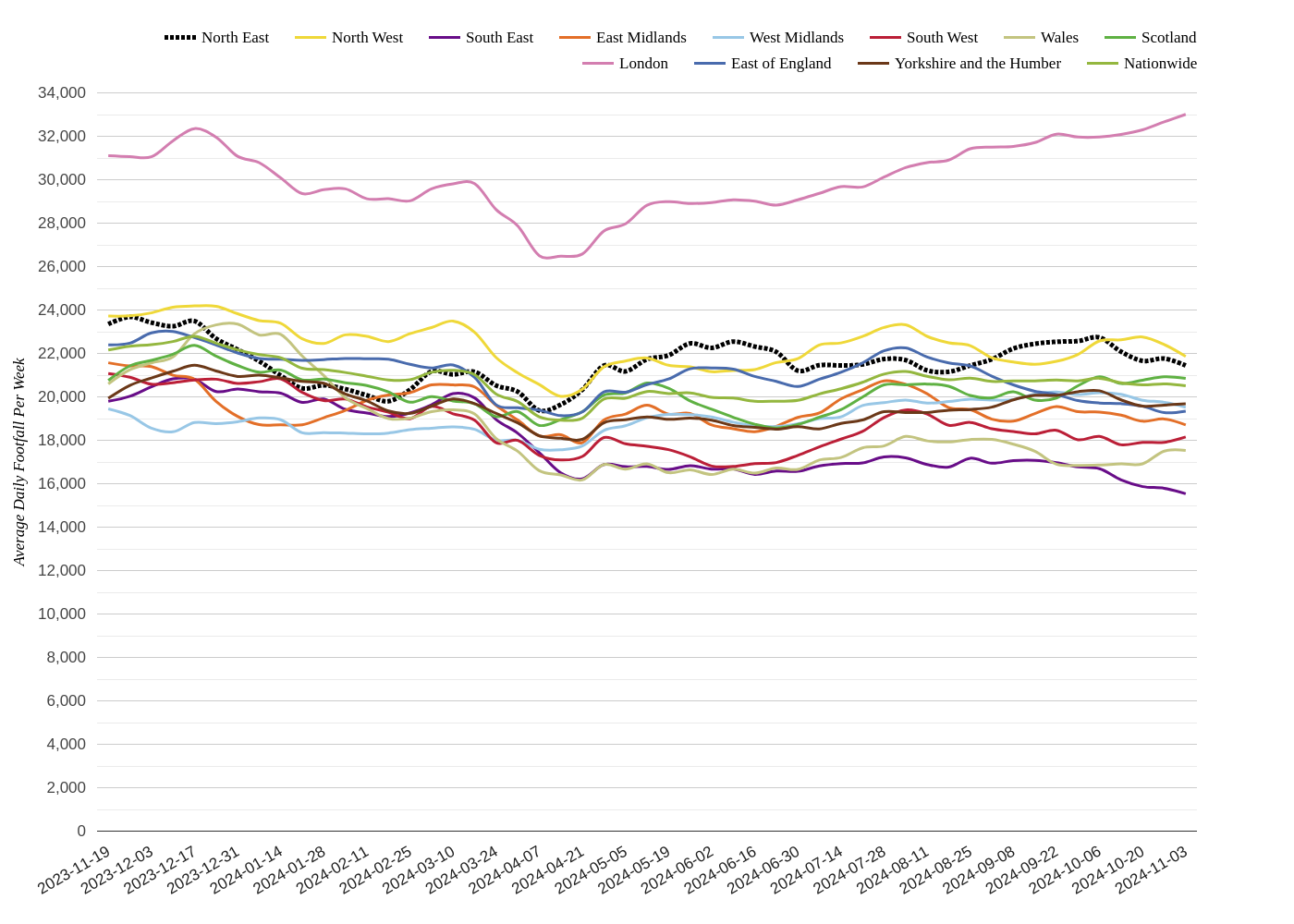
In the East of England, there was a slight increase in average daily footfall week on week, while the average visit dwell time in Scotland saw a significant increase year on year. London and the South West experienced notable changes in their footfall patterns compared to the last 12 months, reflecting shifts in consumer preferences and habits.
Dwell time, a key indicator of consumer engagement, varied significantly across regions. For instance, Wales reported a substantial increase in average visit dwell time year on year, suggesting deeper engagement at retail parks. Conversely, the South West saw a decrease in dwell time over the same period, indicating a possible shift in shopping behaviour or retail offerings.
Weekday visitation shares also showed interesting trends, with Wales experiencing a notable increase year on year, while other regions like the North West and East Midlands saw declines. These metrics are crucial for retailers and commercial real-estate companies to understand the dynamics at play in different markets and tailor their strategies accordingly.
The data also highlighted specific retail centres that outperformed or underperformed significantly. For example, the Bretton Centre in Peterborough and the Battery Retail Park in Birmingham saw substantial increases in visitation, while the Cwmbran Shopping Centre in Wales and the Weston Favell Shopping Centre in the East Midlands experienced notable declines.
This detailed analysis by Huq Industries provides valuable insights into the evolving landscape of retail park visitation in the UK, aiding stakeholders in making informed decisions.
Partner with huq
Track consumer footfall and spend dynamics across your store network using huq data and compare to your own sales data. Gain insights into crucial questions such as ‘are we out-performing the market’, ‘where are our similar locations for new store growth’, and ‘how healthy is this retail centre’.
If you are interested in basing your location insights to actual consumer behaviour then please connect with our team.
Frequently Asked Questions
Clear answers to the most common questions about movement intelligence, retail expansion, and location analytics.
Related Blogs and Insights


.svg)
Empowering strategic teams with the world's most accurate and accessible location intelligence.
Contact

.svg)