.svg)
Retail Parks Footfall Report, Week 44 2024: Declining Footfall In Several Regions
Recent footfall data from Huq Industries reveals nuanced trends in retail park visitation across the UK, highlighting regional variations in footfall, dwell time, and weekday visitation for week 44, 2024.

January 9, 2025
2 min read
Table of contents
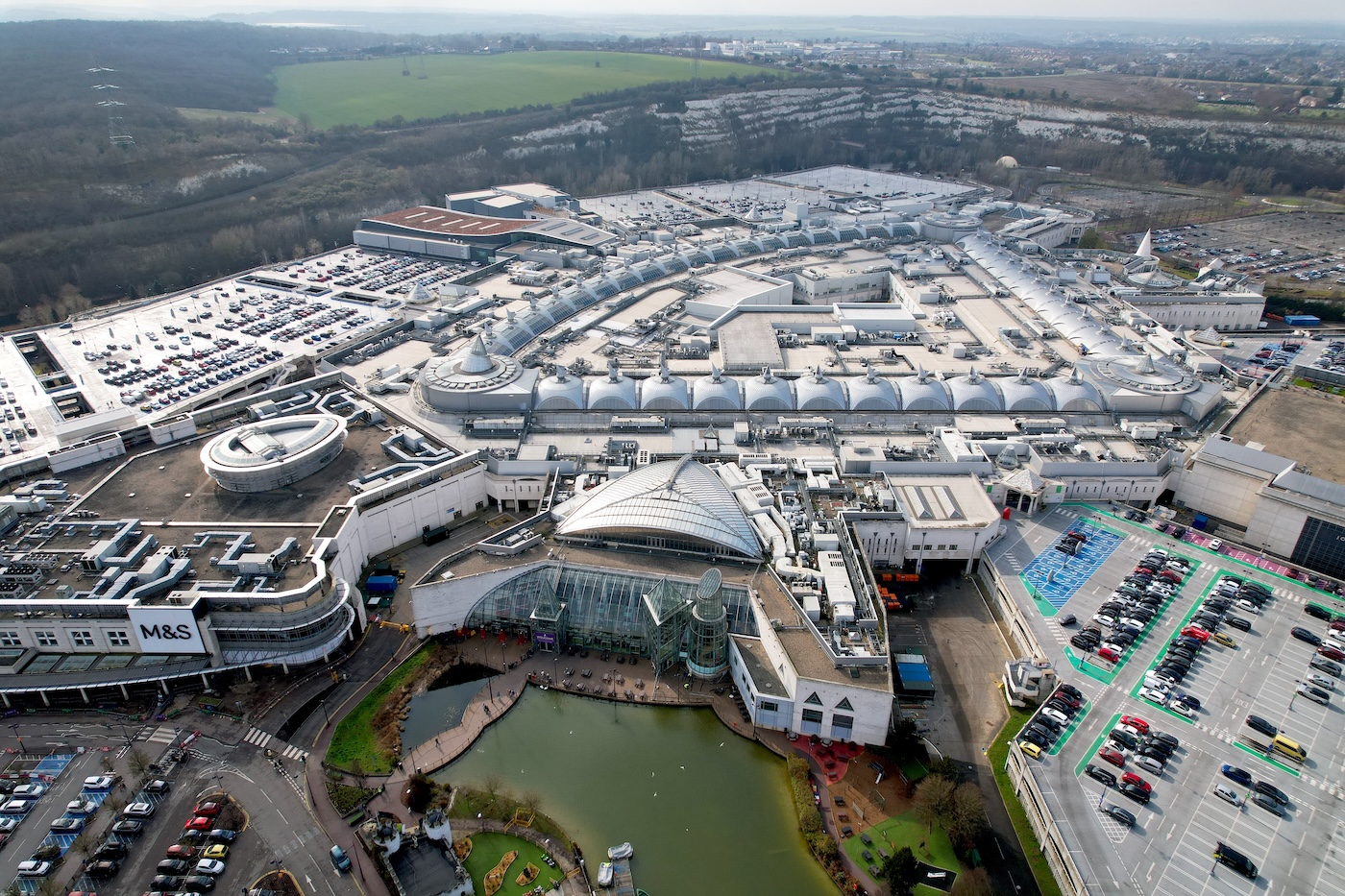
Recent footfall data from Huq Industries reveals nuanced trends in retail park visitation across the UK, highlighting regional variations in footfall, dwell time, and weekday visitation for week 44, 2024.
In the West Midlands, average daily footfall slightly decreased week-on-week, yet showed a modest year-on-year increase. Dwell time in this region increased compared to the same week last year. The working weekday visitation share also saw a slight increase, suggesting a steady recovery in consumer behaviour.
Conversely, the East of England experienced a significant year-on-year decline in footfall, although dwell time increased year-on-year, indicating that while fewer people visited, those who did stayed longer. This mixed picture was echoed across other regions, with Scotland and London showing stronger resilience in footfall compared to the South East, which faced a steep year-on-year decline.
Location Intelligence Insights
huq’s location intelligence analytics play a pivotal role in understanding consumer patterns at retail parks. The data not only tracks footfall but also provides insights into dwell time and the distribution of visits across different days of the week. This level of detail is invaluable for location intelligence companies and retailers looking to optimise their operations and marketing strategies based on consumer behaviour tracked week by week.
Market Outlook
Looking ahead, the direction of the latest footfall data suggests varied trends across the UK. The West Midlands might continue to see a gradual increase in footfall, supported by the positive year-on-year data. However, regions like the East of England may need to strategise differently to counteract the declining footfall numbers. Retailers and location intelligence retail analysts will need to monitor these trends closely to adapt to the rapidly changing market conditions.
Partner with huq
Track consumer footfall and spend dynamics across your store network using huq data and compare to your own sales data. Gain insights into crucial questions such as ‘are we out-performing the market’, ‘where are our similar locations for new store growth’, and ‘how healthy is this retail centre’.
If you are interested in basing your location insights to actual consumer behaviour then please connect with our team.
Frequently Asked Questions
Clear answers to the most common questions about movement intelligence, retail expansion, and location analytics.
Related Blogs and Insights


.svg)
Empowering strategic teams with the world's most accurate and accessible location intelligence.
Contact

.svg)