.svg)
Retail Parks Footfall Report: Week 1, 2025
Retail Parks in the UK have shown varied performance in terms of footfall, dwell time and weekday visitation across different regions, according to the latest footfall data from Huq Industries.

January 9, 2025
2 min read
Table of contents
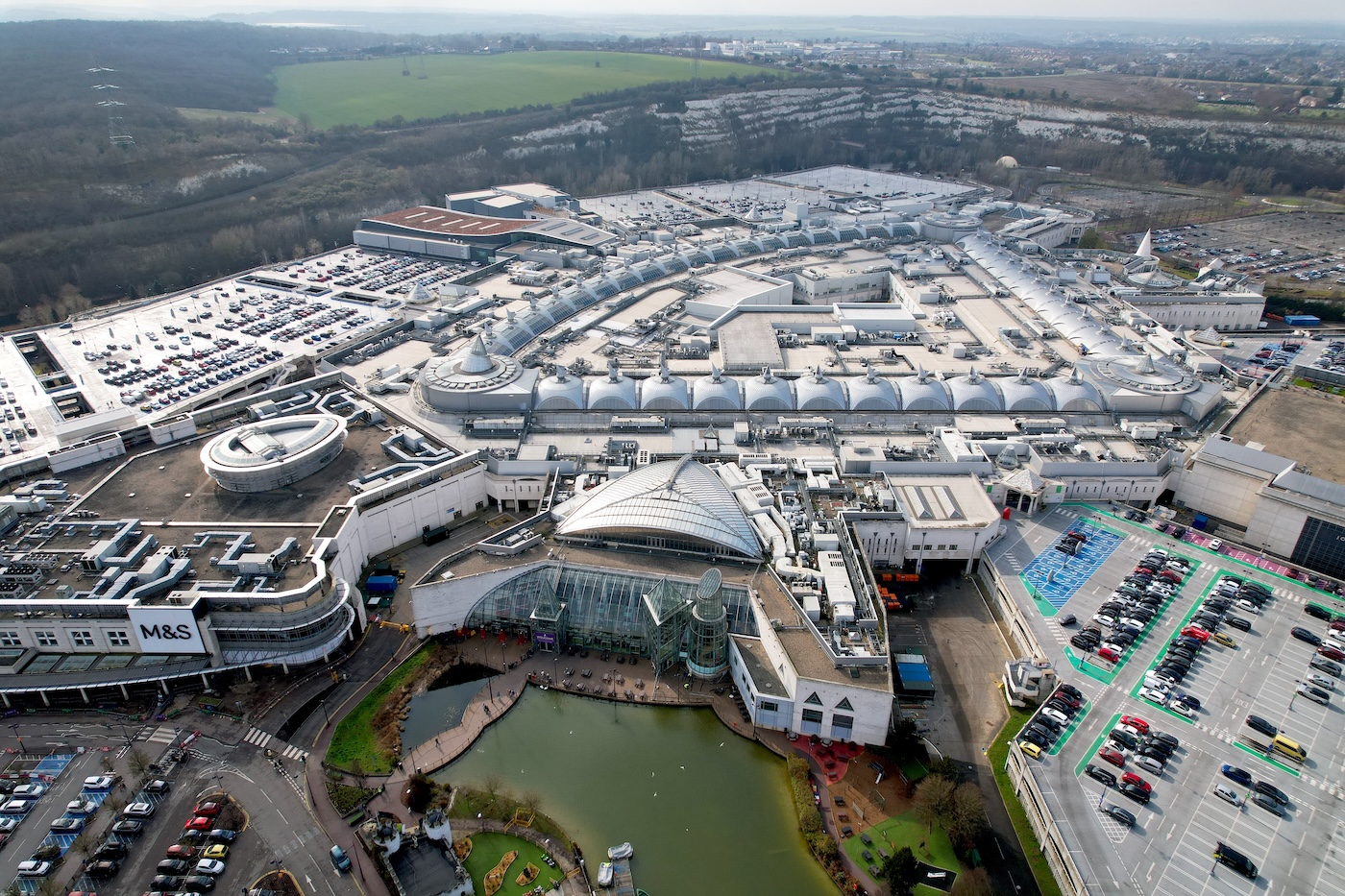
Retail Parks in the UK have shown varied performance in terms of footfall, dwell time and weekday visitation across different regions, according to the latest footfall data from Huq Industries. The data, which covers week 1 2025, highlights significant regional differences in retail activity.
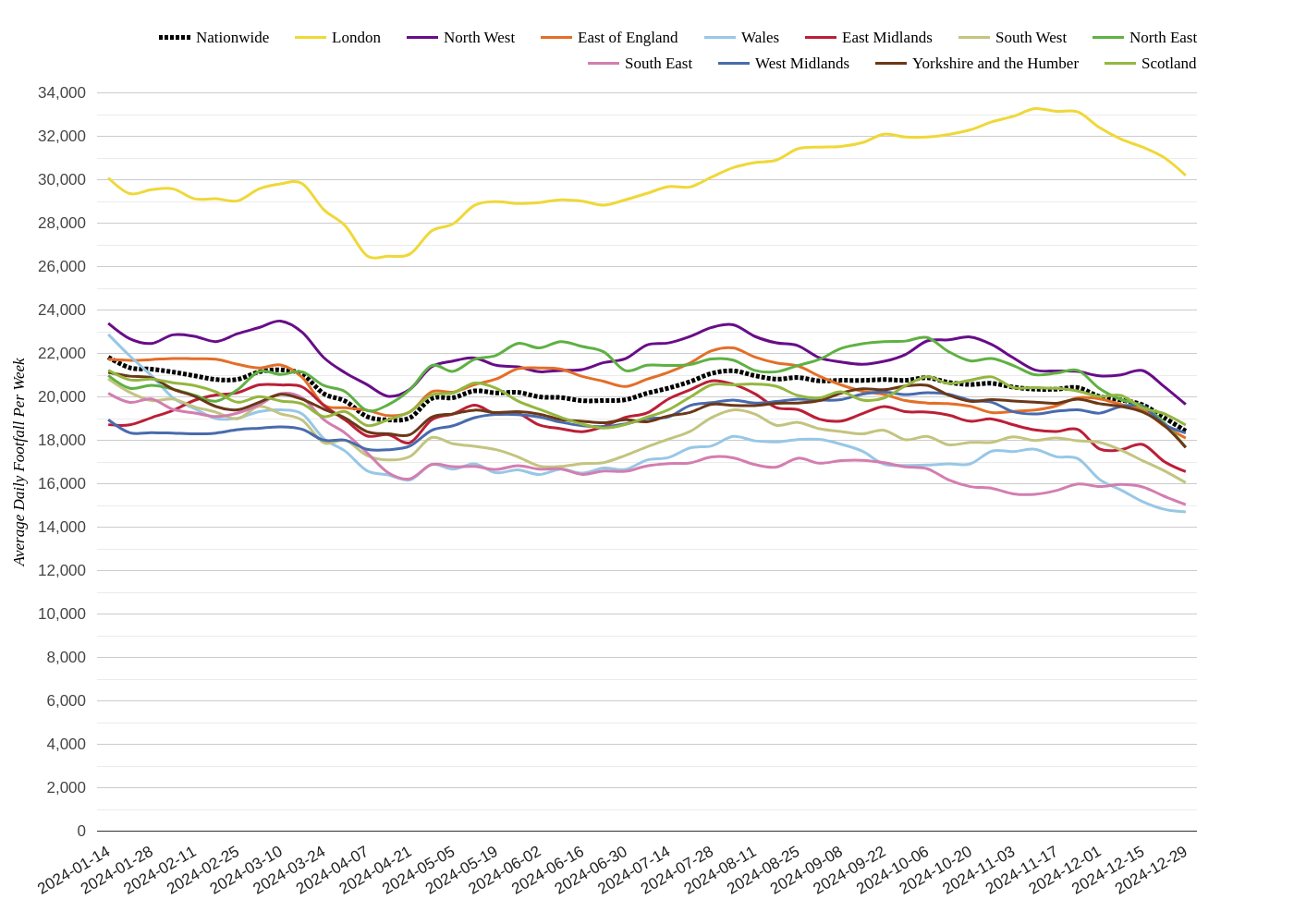
Retail Parks Daily Footfall
Regional Analysis
In Scotland, the average daily footfall and dwell time in retail parks have seen a notable increase compared to the same period last year. However, the working weekday visitation share has slightly decreased. The East of England has experienced a slight decrease in footfall week-on-week but has seen a substantial increase in dwell time year-on-year. In contrast, Wales has seen a decrease in both footfall and dwell time compared to last year, with a significant drop in footfall compared to the average of the last 12 months. London stands out with an increase in both footfall and dwell time year-on-year. The capital also shows a slight increase in working weekday visitation share, suggesting a steady recovery and possibly more consistent consumer behaviour.
Performance Highlights
The data also highlights the top performers and those that have not fared as well. Luton Retail Park in the East of England, Craigleith Retail Park in Edinburgh, and Ravenside Retail Park in Birmingham have shown significant improvements in their performance. Conversely, retail parks like Greenbridge Retail & Leisure Park in Swindon and Weston Retail Park in North Somerset have seen declines.
Market Outlook
This detailed regional analysis provides valuable insights for retailers and commercial real-estate companies looking to understand consumer behaviour and optimise their strategies accordingly. Based on the direction of the latest data and trends from the same period last year, the next four weeks could see continued growth in regions like London, while areas like Wales might face more challenges.
Partner with huq
Track consumer footfall and spend dynamics across your store network using huq data and compare to your own sales data. Gain insights into crucial questions such as 'are we out-performing the market', 'where are similar locations for new store growth', and 'how healthy is this retail centre'. If you are interested in basing your location insights to actual consumer behaviour then please connect with our team.
Frequently Asked Questions
Clear answers to the most common questions about movement intelligence, retail expansion, and location analytics.
Related Blogs and Insights


.svg)
Empowering strategic teams with the world's most accurate and accessible location intelligence.
Contact

.svg)