.svg)
Major Retail Centres Footfall Report: Week 48, 2024
Recent data from Huq Industries reveals insightful trends in footfall, dwell time, and visitation patterns across major retail centres in the UK.

January 9, 2025
2 min read
Table of contents
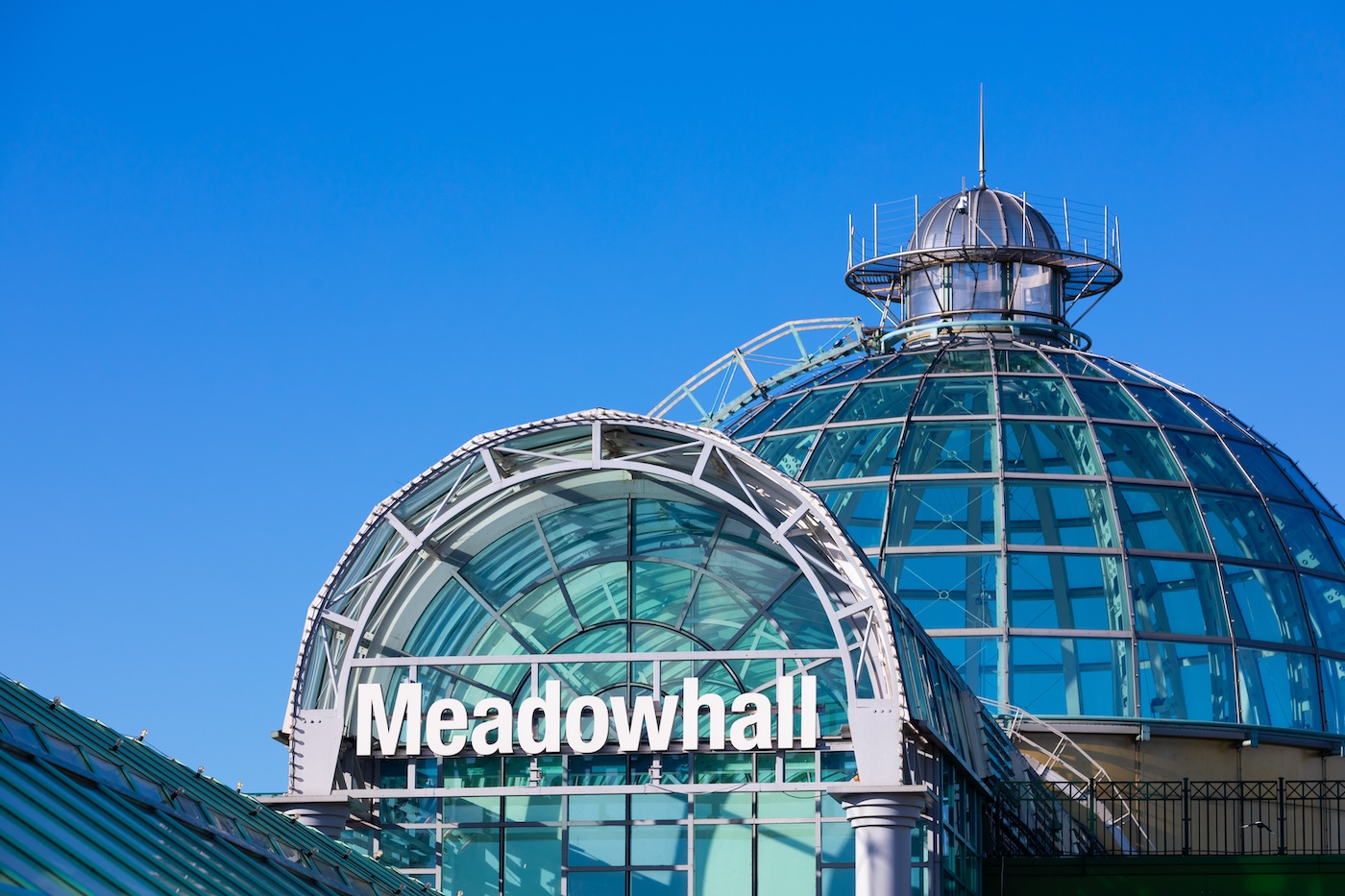
Recent data from Huq Industries reveals insightful trends in footfall, dwell time, and visitation patterns across major retail centres in the UK. As of the week ending November 30, 2024, several regions have shown notable changes in these metrics, reflecting the dynamic nature of consumer behaviour in different areas.
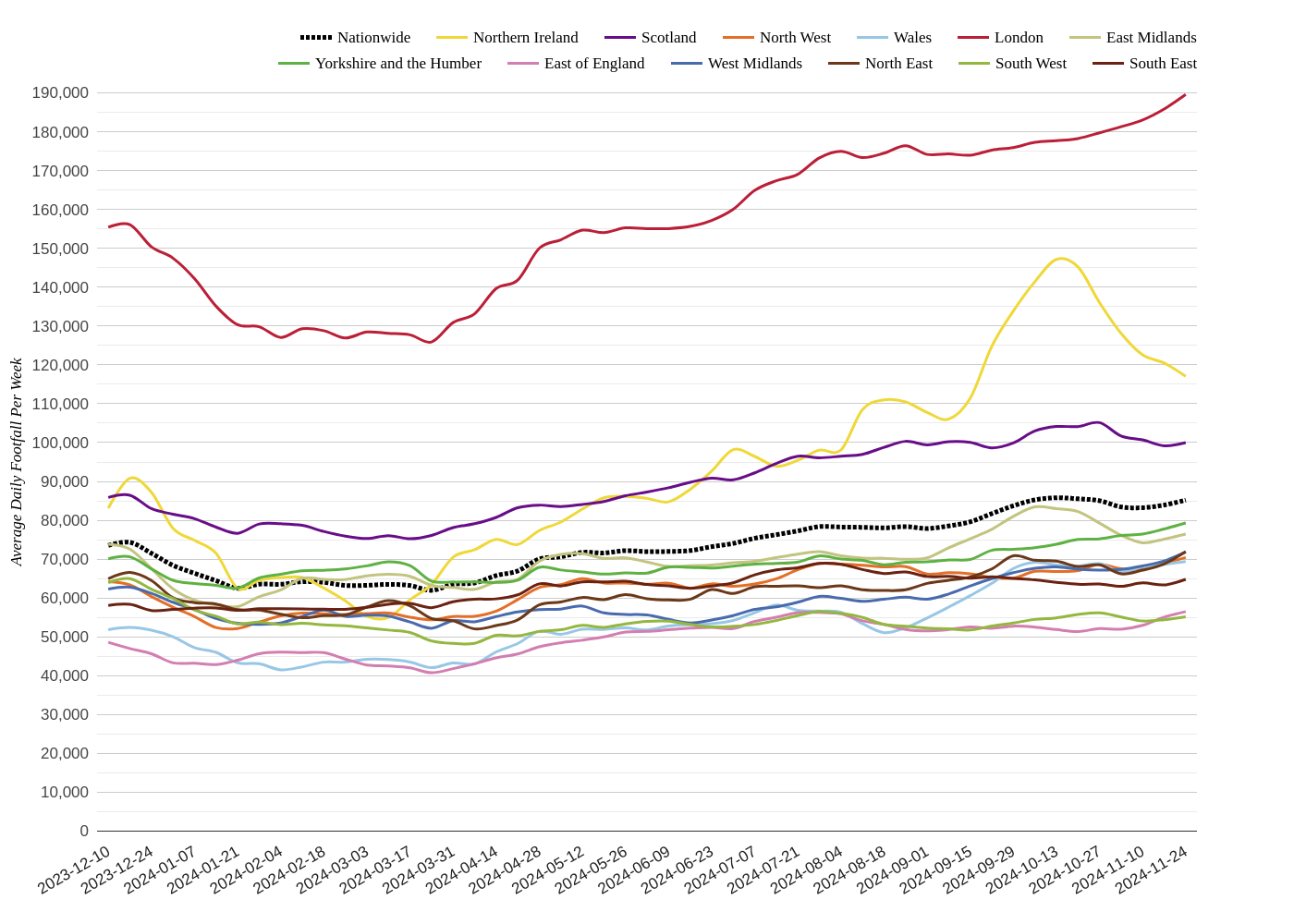
Major Retail Centres Daily Footfall
Footfall Data Analysis
In terms of footfall, the North East region experienced a significant increase, with a 9% rise compared to the same period last year. This suggests a robust recovery and growing consumer confidence in this area. Similarly, London also displayed a strong performance with a significant year-on-year increase in footfall, underscoring its appeal as a prime shopping destination.
Dwell Time Trends
Dwell time, which indicates the average duration visitors spend in retail centres, saw varied trends. The East Midlands reported a substantial increase in dwell time, with a 15.5% rise year-on-year, pointing to higher engagement levels at retail venues. Conversely, Wales observed a decrease in dwell time, reflecting perhaps a shift in shopping patterns or consumer preferences in the region.
Visitation Patterns
Visitation patterns also shifted, with London showing a slight increase in weekday visitation, suggesting a steady return to pre-pandemic shopping habits. However, Northern Ireland experienced a significant drop in weekday visitation, which might indicate changing work patterns or consumer preferences in the region.
Market Outlook
These trends provide valuable insights for retailers and commercial real-estate companies, helping them to better understand and adapt to the evolving market dynamics in the UK’s retail landscape. Based on the direction of the latest data and trends observed during the same period last year, we can anticipate continued growth in footfall in regions like the North East and London over the coming four weeks.
Partner with huq
Track consumer footfall and spend dynamics across your store network using huq data and compare to your own sales data. Gain insights into crucial questions such as ‘are we out-performing the market’, ‘where are our similar locations for new store growth’, and ‘how healthy is this retail centre’.
If you are interested in basing your location insights to actual consumer behaviour then please connect with our team.
Frequently Asked Questions
Clear answers to the most common questions about movement intelligence, retail expansion, and location analytics.
Related Blogs and Insights


.svg)
Empowering strategic teams with the world's most accurate and accessible location intelligence.
Contact

.svg)