.svg)
How Gail’s Bakery Expansion Could Transform High Street Footfall
How Gail’s Bakery Expansion Could Transform High Street Footfall The high street is in flux. As retail chains struggle to adapt to evolving consumer behaviour and economic pressures, empty shopfronts have become a familiar sight in many town centres.

January 9, 2025
3 min read
Table of contents
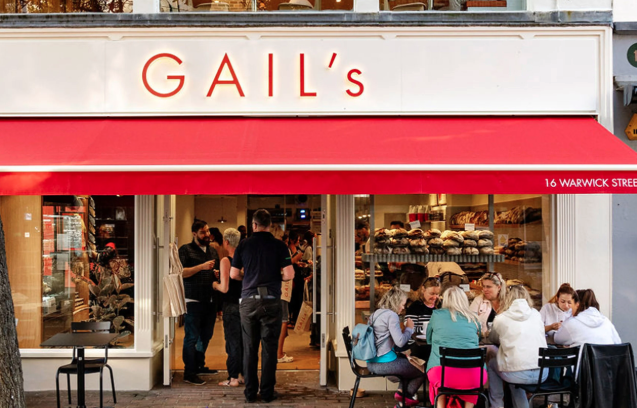
The high street is in flux. As retail chains struggle to adapt to evolving consumer behaviour and economic pressures, empty shopfronts have become a familiar sight in many town centres. Yet, amidst this turbulence, some brands are thriving—and Gail’s Bakery is a prime example. With plans to open 30 to 40 new sites in 2025, Gail’s is not only bucking the trend but potentially reshaping the high street landscape.
Revitalising Vacant Spaces
One of the driving forces behind Gail’s rapid expansion is the availability of vacant high street properties. CEO Tom Molnar attributes this to the significant number of bank closures in recent years. These empty premises offer an ideal opportunity for Gail’s to establish its presence, often with favourable lease terms from landlords eager to fill the void.
This trend represents a broader shift in how high street spaces are being repurposed. Banks, once ubiquitous in town centres, have been steadily closing their doors due to the rise of digital banking. As these spaces are reclaimed by businesses like Gail’s, they bring renewed energy and purpose to the high street. Molnar shared an anecdote about a bakery site in Cobham, Surrey, which had originally been built as a bakery before being converted into a bank. Now, decades later, it has returned to its roots as a bakery once again, signalling a poetic revival of tradition.
The Footfall Effect
Gail’s expansion isn’t just a win for the bakery chain; it’s a potential catalyst for increased high street footfall. Premium bakeries like Gail’s offer more than just high-quality baked goods; they provide a social hub for communities. The appeal of artisanal food, combined with the cozy and inviting atmosphere of Gail’s locations, makes them a magnet for customers looking for more than just a quick purchase.
Every new Gail’s site has the potential to draw significant foot traffic, which can benefit neighbouring businesses. As shoppers visit Gail’s for their morning coffee or freshly baked bread, they’re likely to explore other retailers in the vicinity. This ripple effect could help to revitalise struggling high streets and support a diverse mix of businesses.
Challenges and Opportunities
While Gail’s expansion offers hope for the high street, it’s not without challenges. Rising employer national insurance contributions, minimum wage increases, and the reduction in business rates relief are all set to add to Gail’s operating costs in 2025. According to Molnar, these changes could increase costs by as much as £2 million. Inevitably, prices may rise, which could test the loyalty of some customers.
Despite these pressures, Molnar remains optimistic. By securing attractive deals on vacant properties, Gail’s is mitigating some of the financial burden. Moreover, the brand’s focus on quality and community connection positions it as a resilient player in the competitive food and beverage sector.
A Broader High Street Revival?
Gail’s expansion highlights a broader opportunity for high street renewal. As more businesses recognise the potential of vacant properties, a wave of innovation and reinvention could sweep across town centres. From independent coffee shops to boutique stores, the transformation of empty units into thriving enterprises could create a more dynamic and appealing high street experience.
The repurposing of old banks into bakeries also underscores the importance of adaptability. The high street of the future will likely be a blend of retail, leisure, and services that cater to modern lifestyles. Businesses like Gail’s, which combine tradition with contemporary appeal, are leading the way in this evolution.
The Path Forward
As Gail’s sets its sights on 30 to 40 new openings in 2025, its success could serve as a blueprint for other businesses looking to capitalise on high street vacancies. By prioritising quality, community, and strategic site selection, Gail’s is not only securing its own growth but contributing to the revitalisation of Britain’s town centres.
For the high street, Gail’s expansion represents more than just the arrival of another bakery. It’s a symbol of resilience and renewal, showing that even in challenging times, the right mix of vision and adaptability can breathe new life into our town centres. With every new site, Gail’s is helping to transform empty spaces into vibrant hubs of activity, proving that the high street still has a vital role to play in the fabric of British communities.
Frequently Asked Questions
Clear answers to the most common questions about movement intelligence, retail expansion, and location analytics.
Related Blogs and Insights


.svg)
Empowering strategic teams with the world's most accurate and accessible location intelligence.
Contact

.svg)