.svg)
How This Cultural Market Leveraged huq's Insights for Expansion and Optimisation
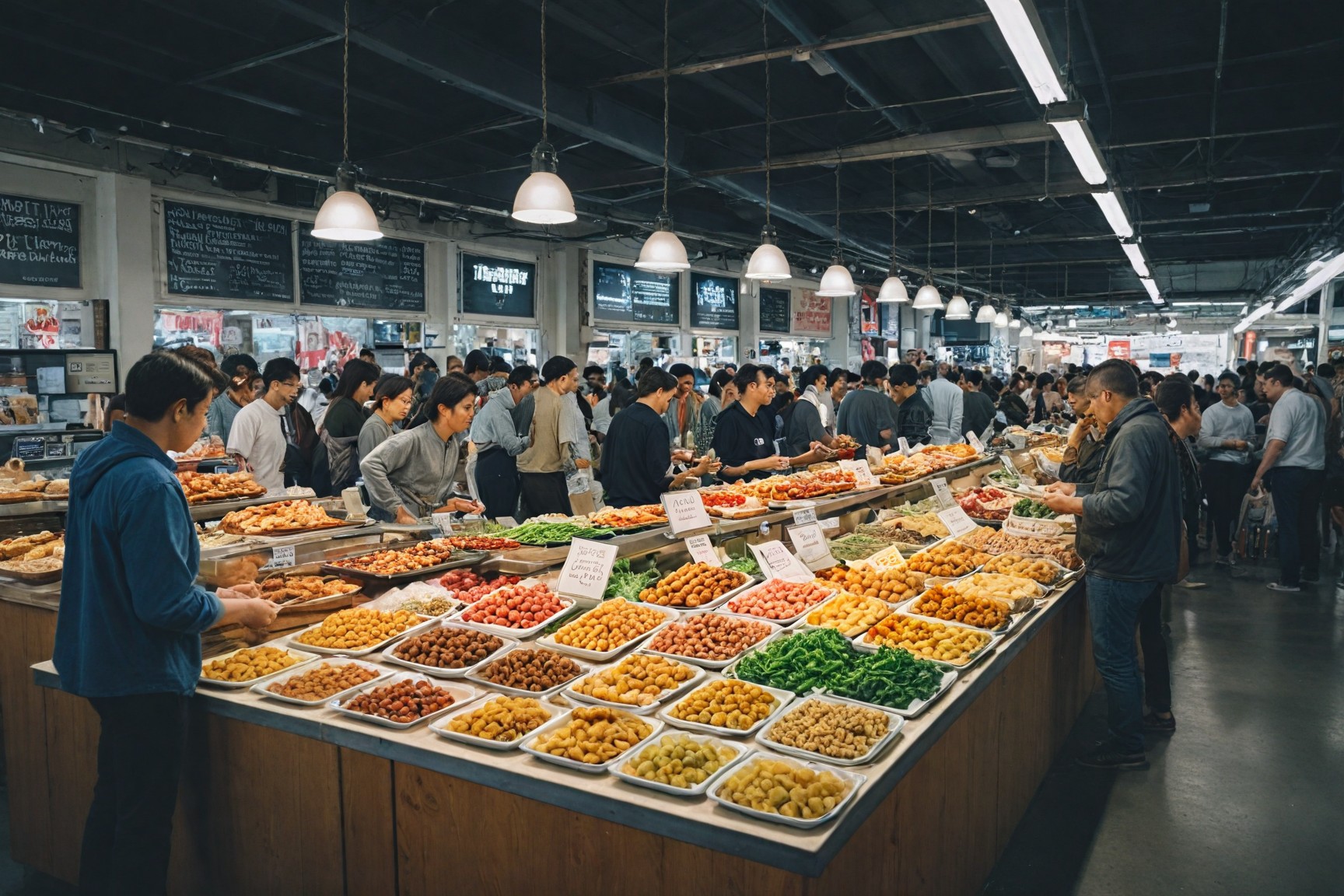
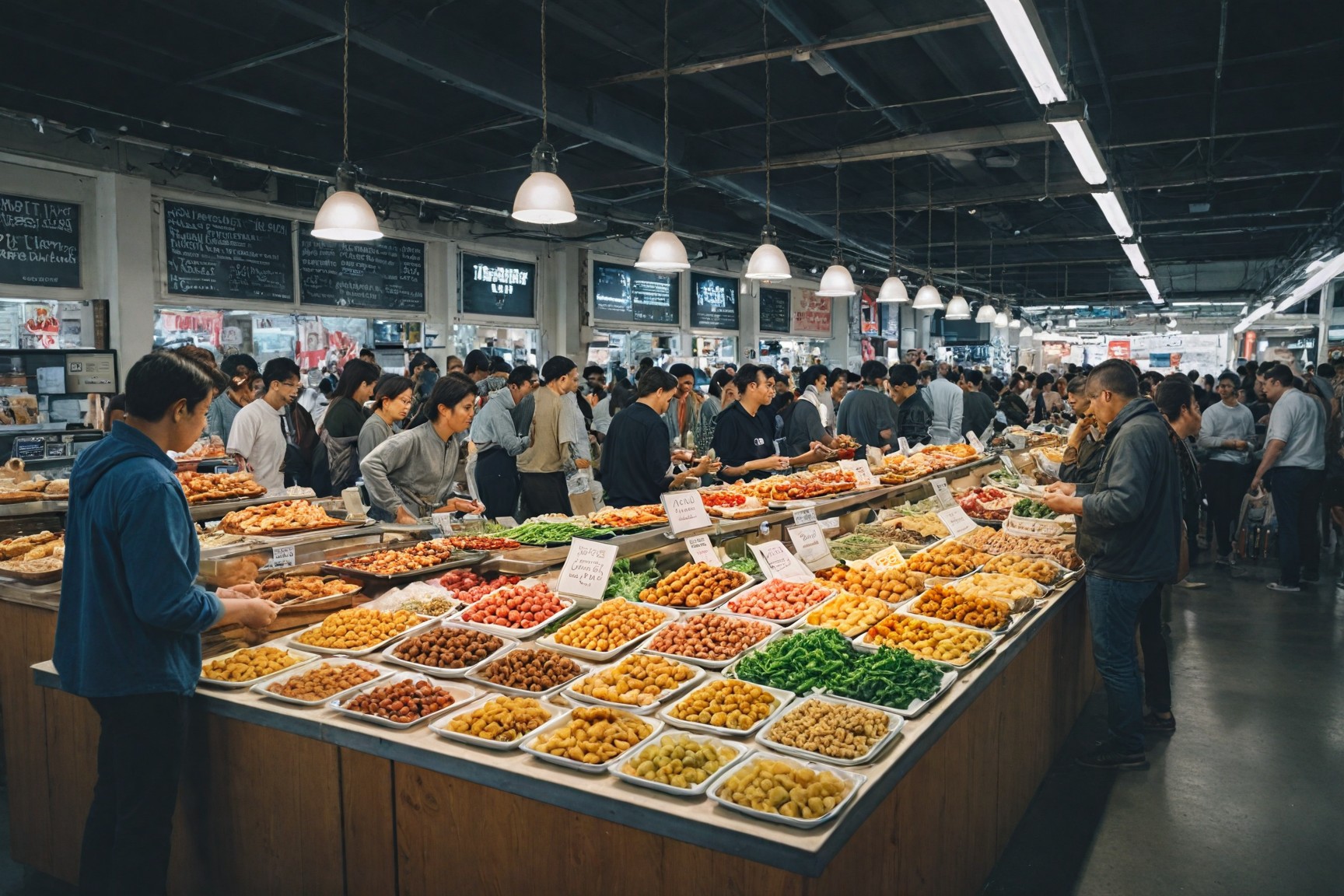
huq's footfall and spending data helped a cultural food market operator assess new London sites, supporting expansion talks at a proposed Piccadilly Circus location.
The Challenge
Previous expansion attempts in London had faced setbacks: a 2016 proposal near Spitalfields was rejected by Tower Hamlets Council, and a 32,500-square-foot lease at the former Waterloo Eurostar Terminal was cancelled in 2021. Without granular footfall, demographic and spending data, the business unit could not confidently assess site viability, increasing the risk of selecting suboptimal locations for its next London move.
.svg)
No reliable location data
The business unit lacked granular footfall, demographic and spending data needed to assess potential London sites.
.svg)
Prior expansion setbacks
Earlier attempts to open in London were rejected (Spitalfields, 2016) or cancelled (Waterloo, 2021), highlighting the risk of undervalidated site decisions.
.svg)
Risk of suboptimal site selection
Without data-driven validation, the business unit risked financial losses and operational inefficiencies from poorly chosen locations.
The Solution
huq provided a live behavioural intelligence layer that unified movement trends, catchment visibility, and district benchmarking into a single platform.
.svg)
Catchment Analysis
Postcode-level insight into visitor origins and regional movement.
.svg)
Store Portfolio Optimisation
Benchmark location performance to guide investment, refurbishment, relocation and expansion decisions.
Demand Forecasting
Turn mobility and location signals into timely estimates of customer demand.
District Benchmarking
Compare commercial performance across multiple urban environments.
The Challenge: Navigating a Dynamic Retail Landscape in a New Market with Location Intelligence
The Market Business Unit in the food and cultural market division of a popular Tourism Group has been pursuing expansion in the United Kingdom, particularly in London. However, their previous efforts to establish a presence in the capital faced significant challenges. In 2016, an initial proposal to open near Spitalfields was rejected by Tower Hamlets Council. A subsequent lease for a 32,500-square-foot site in the former International Eurostar Terminal at Waterloo was cancelled in early 2021 due to the impacts of the COVID-19 pandemic.
Following these setbacks, the business unit needed to adopt a data-driven approach to site selection and feasibility assessment. The company required comprehensive and accurate insights to mitigate risk and make informed decisions about its expansion strategy. They needed a way to evaluate potential locations with greater confidence, understanding key factors such as footfall patterns, visitor demographics, dwell times, and spending behaviour in different areas.
"Expanding into new markets comes with significant challenges, from understanding footfall patterns to assessing consumer demand. Without reliable data, making confident site selection decisions was a major hurdle."
huq's Solution
Our goal was to equip the business unit with precise, data-driven insights into footfall, demographics, and spending behaviour, enabling them to confidently identify and validate the best locations for expansion.
The business unit turned to huq to provide detailed and reliable data to support its decision-making. huq provided detailed footfall, demographic, and spending insights to help identify high-potential locations with confidence. By comparing prospective sites against existing markets, the team could ensure alignment with successful locations worldwide. huq's tailored reports enabled stakeholders to assess commercial viability, optimise negotiations, and de-risk expansion investments.
How huq's Solution Helped
huq provided the business unit with tailored benchmarking reports, offering granular insights into footfall, catchment area characteristics, visitor dwell times, and credit card spending trends around key locations. These reports allowed the team to compare prospective sites against their operational benchmarks in other cities, ensuring they selected locations with the highest potential for success. Additionally, huq's reports were structured to align with internal decision-making processes, ensuring that key stakeholders could easily interpret and act on the findings.
The company leveraged huq's detailed footfall, demographic, and spending insights to make informed decisions about new locations. By understanding visitor patterns and engagement levels, they could select sites with the highest potential for success while avoiding locations that posed a greater risk. This data-driven approach significantly reduced uncertainty and improved the chances of a successful expansion.
With comprehensive location intelligence, the company was able to present a compelling case to landlords and investors. By demonstrating footfall trends, visitor demographics, and spending behaviour, they could justify the commercial viability of their chosen sites. These insights not only strengthened lease negotiations but also provided tangible evidence to secure investment and funding for their expansion plans.
By benchmarking potential sites against successful markets in other cities, the company ensured that their investment decisions were backed by data. This approach enabled them to allocate resources efficiently, prioritise locations with the highest return potential, and fine-tune their business model to align with local market dynamics. As a result, they minimised financial risks while maximising long-term profitability.
Final comments
Since engaging with huq, the business unit has been able to make informed and data-driven decisions regarding its expansion strategy. The company's current negotiations for a London market at Piccadilly Circus are backed by comprehensive location intelligence, allowing them to move forward with a strong understanding of the site's commercial potential.
"huq's insights have given us the confidence to make informed decisions about our expansion. Their ability to provide granular footfall and spending data has been invaluable in evaluating potential locations and ensuring we invest in the right opportunities."
Vice President of Development
Results & Operational Impact
With huq first clients achieve significantly stronger visibility into commercial demand, engagement growth, and estate performance.
.avif)
Faster leasing evaluations
Improved understanding of real-world commercial demand
Stronger investment confidence
Behavioural intelligence supported more evidence-led decisions
Improved district visibility
Teams benchmarked engagement across multiple locations
Better recovery tracking
Live movement signals replaced delayed reporting cycles

Related Case Studies

Challenger Coffee Brand Site Selection Case Study
A UK challenger coffee brand used huq's footfall data to identify high-potential sites, avoid oversaturated markets and outperform larger rivals.

How JD Sports Used Customer Catchments to Inform Outlet Expansion Strategies
huq's mobility location data enabled JD Sports to refine customer catchment analysis, optimise store network performance and make data-driven expansion decisions, reducing risk and enhancing strategic growth.
.svg)
Empowering strategic teams with the world's most accurate and accessible location intelligence.
Contact

.svg)