.svg)
Major Retail Centres Footfall Report: Week 5, 2025
UK retail centres show varied footfall trends as of Feb 9, 2025, with significant changes in London and the North East.

February 13, 2025
2 min read
Table of contents
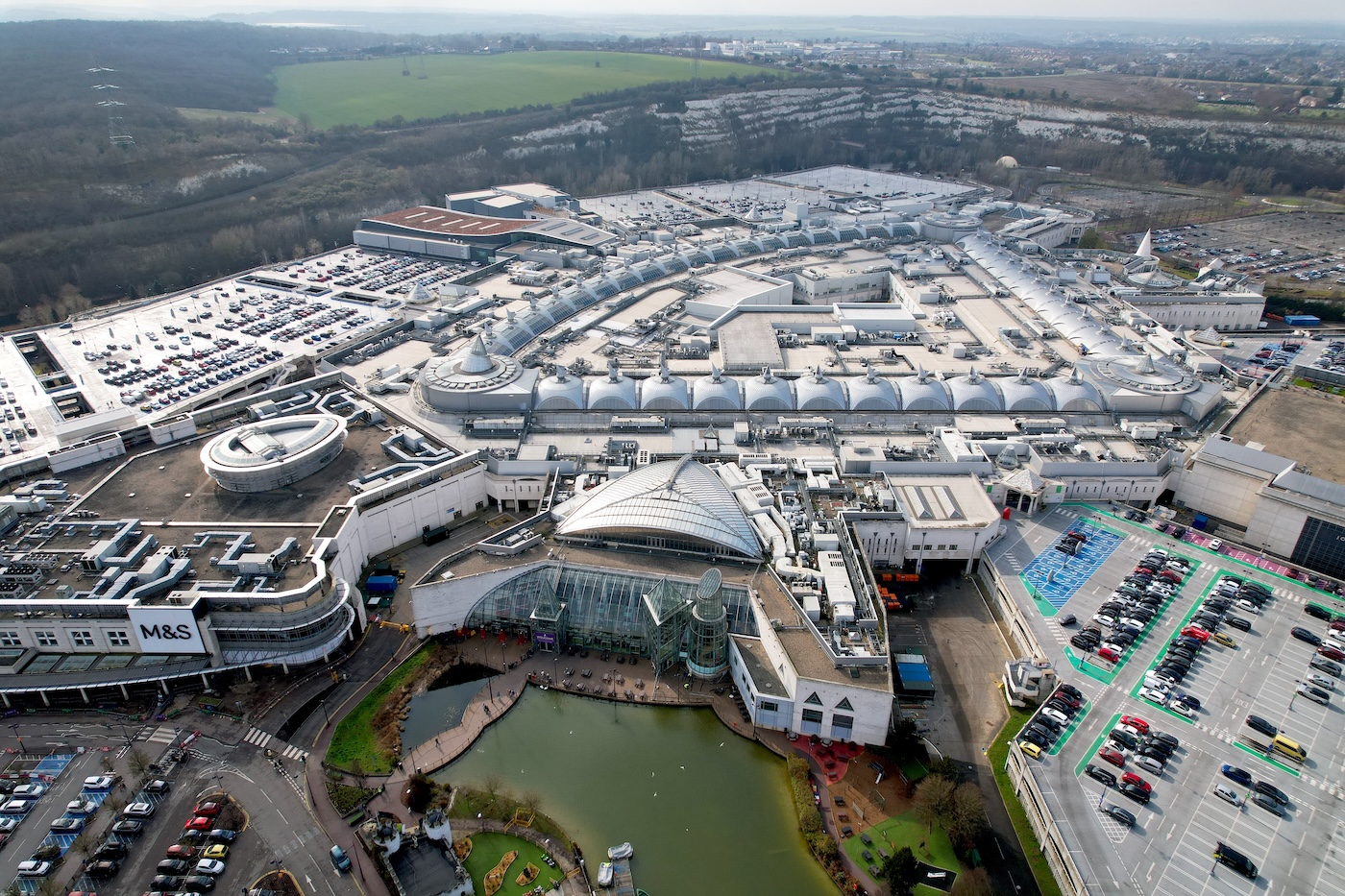
UK retail centres show varied footfall trends as of Feb 9, 2025, with significant changes in London and the North East.
Recent data from Huq Industries reveals nuanced trends in footfall, dwell time, and weekday visitation across major retail centres in the UK. As of the week ending February 9, 2025, different regions exhibit varied patterns, reflecting the dynamic nature of retail activity in the country.
Major Retail Centres Daily Footfall
In the South West, there has been a slight decrease in average daily footfall compared to the previous week, with a more significant reduction over the past year. However, the average visit dwell time in this region remains relatively stable, with only a minor decrease week-on-week.
Conversely, the West Midlands shows a robust increase in dwell time year-on-year, suggesting that while fewer people may be visiting, those who do are staying longer. This could indicate a shift towards more engaged, purposeful shopping experiences in this area.
Yorkshire and the Humber, along with Wales, also show interesting trends. In Wales, there’s a notable year-on-year increase in footfall, contrasting with a decrease in dwell time, suggesting quicker, possibly more frequent visits.
In the North East and London, both footfall and dwell time have seen significant increases compared to last year, pointing to a resurgence in retail activity. These areas might be experiencing a retail revival, possibly driven by new attractions or improved consumer confidence.
The data also highlights regional winners and losers in terms of retail centre performance. Edinburgh City, Wrecsam in Wales, and Ipswich in the East of England have shown notable improvements, while centres like Hastings and King’s Lynn have not fared as well.
This detailed insight into regional retail dynamics, provided by Huq Industries, underscores the importance of location intelligence in understanding and responding to consumer behaviour in the retail sector.
Partner with huq
Track consumer footfall and spend dynamics across your store network using huq data and compare to your own sales data. Gain insights into crucial questions such as ‘are we out-performing the market’, ‘where are our similar locations for new store growth’, and ‘how healthy is this retail centre’.
If you are interested in basing your location insights to actual consumer behaviour then please connect with our team.
Subscribe now to huq Newsletters. Weekly source for location performance insights - delivered to your inbox. Shopping centres, high-streets, brands and more!
Frequently Asked Questions
Clear answers to the most common questions about movement intelligence, retail expansion, and location analytics.
Related Blogs and Insights


.svg)
Empowering strategic teams with the world's most accurate and accessible location intelligence.
Contact

.svg)