.svg)
Footfall Data Shows London's Resilience, Week 51
Recent footfall data from Huq Industries reveals nuanced trends in footfall, dwell time, and weekday visitation across major retail centres in the UK.

January 9, 2025
2 min read
Table of contents
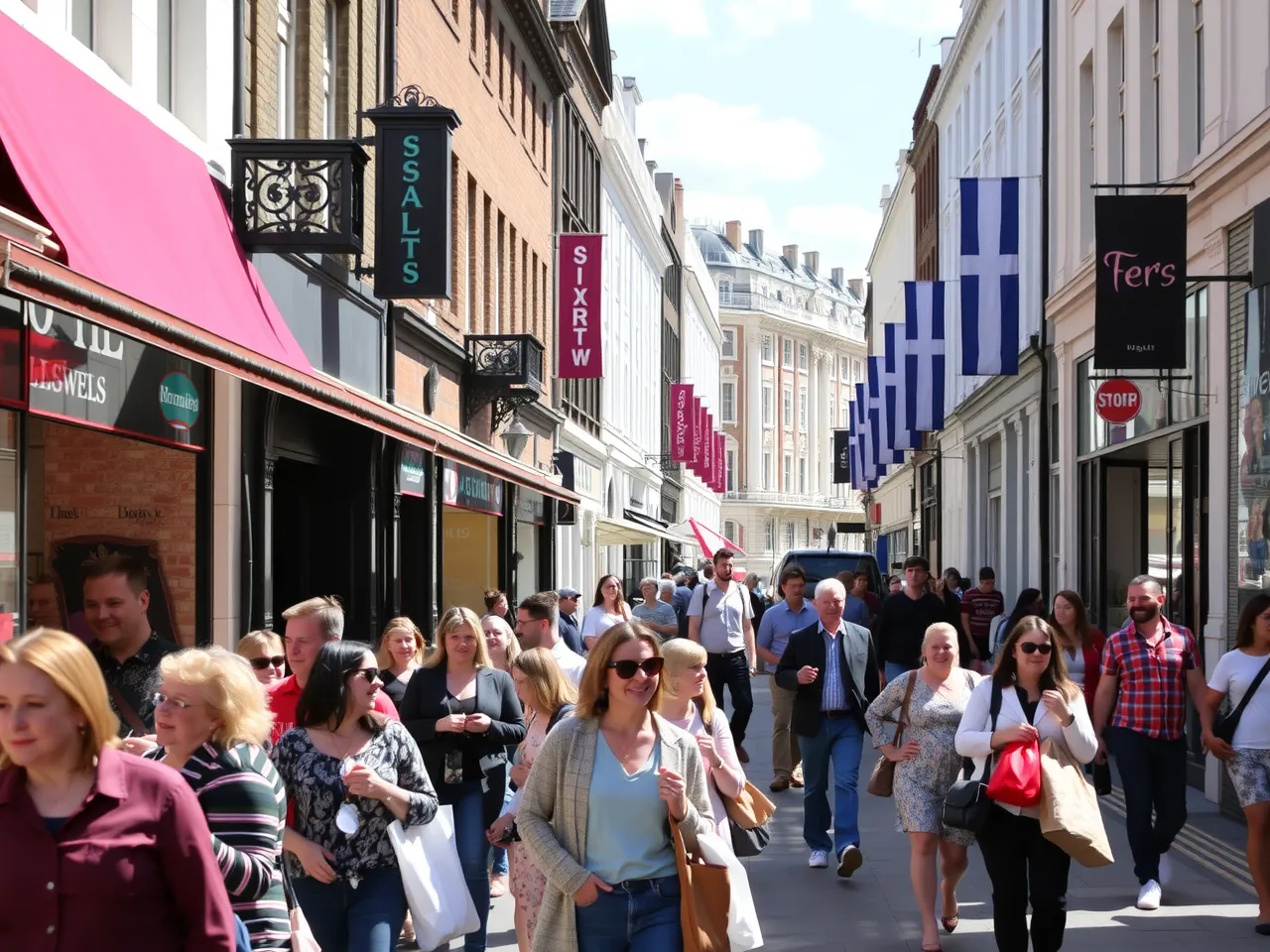
Recent footfall data from Huq Industries reveals nuanced trends in footfall, dwell time, and weekday visitation across major retail centres in the UK. As of the week ending December 21, 2024, London shows a slight decrease in footfall week-on-week but maintains a robust year-on-year growth. The average visit dwell time in London has increased slightly from the previous week, indicating a higher engagement at retail venues. Conversely, the South West region experienced a slight decline in footfall and dwell time, reflecting regional variations in consumer behaviour. The data also highlights significant year-on-year increases in footfall in regions like Northern Ireland and Wales, suggesting a recovery or growth in retail activity in these areas. This comprehensive dataset underscores the dynamic nature of consumer mobility and its implications for retail strategies.
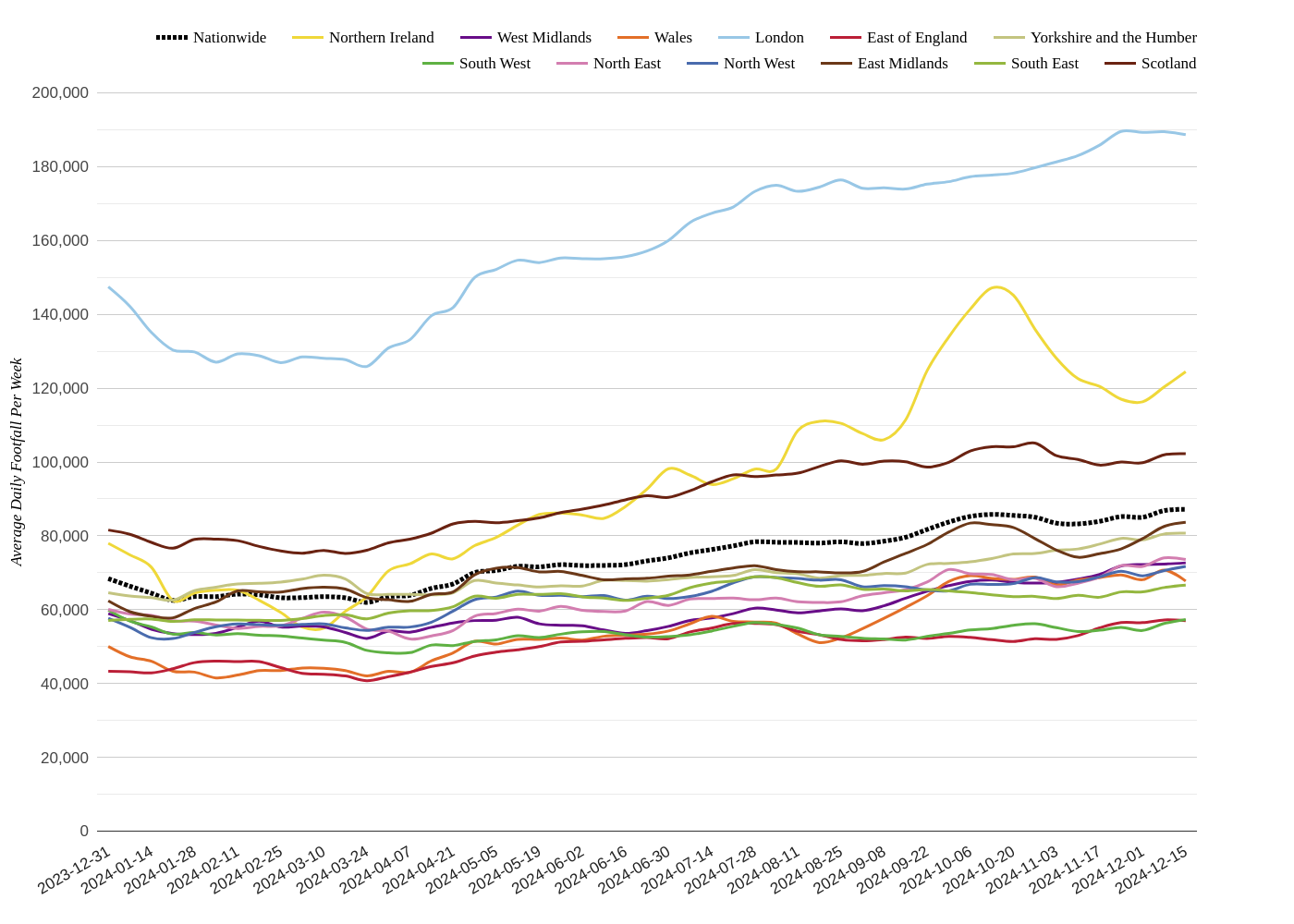
Major Retail Centres Daily Footfall
Footfall Data Analysis
The footfall report for London, as provided by huq, indicates a nuanced picture of retail activity. Despite a slight week-on-week decrease, the year-on-year data shows a strong upward trend, affirming London’s resilience in the retail sector. In contrast, the South West’s footfall statistics reflect a more challenging environment, with both footfall and dwell time experiencing declines. This regional disparity underscores the importance of location intelligence in shaping retail strategies.
Location Intelligence Insights
huq’s location intelligence analytics reveal that the average dwell time in London’s retail centres has increased, suggesting that visitors are spending more time per visit. This could be indicative of more engaging retail experiences or improved consumer confidence. Location intelligence data also points to significant improvements in footfall in Northern Ireland and Wales, highlighting these regions as potential growth areas in the coming months.
Market Outlook
Based on the current footfall statistics and historical data from this time last year, it is likely that London will continue to see stable footfall levels, with potential for slight increases. The South West may continue to face challenges unless new retail strategies are implemented. The positive trends in Northern Ireland and Wales suggest that these regions could experience continued growth in retail footfall, supported by effective location intelligence strategies.
Partner with huq
Track consumer footfall and spend dynamics across your store network using huq data and compare to your own sales data. Gain insights into crucial questions such as ‘are we out-performing the market’, ‘where are our similar locations for new store growth’, and ‘how healthy is this retail centre’.
If you are interested in basing your location insights to actual consumer behaviour then please connect with our team.
Frequently Asked Questions
Clear answers to the most common questions about movement intelligence, retail expansion, and location analytics.
Related Blogs and Insights


.svg)
Empowering strategic teams with the world's most accurate and accessible location intelligence.
Contact

.svg)